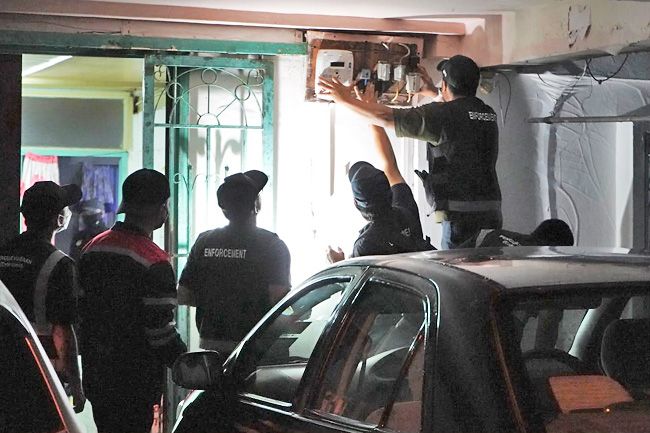
A large-scale coordinated enforcement operation conducted across two locations in Bandar Seri Begawan has resulted in the detection of multiple legal breaches spanning immigration, labour, and electrical safety regulations. The operation, which mobilised more than 200 enforcement personnel across multiple government departments, represents a significant push by Brunei's authorities to maintain regulatory compliance and protect public safety in the capital district.
The Immigration and National Registration Department (INRD) detained one foreign male and one foreign female during the operation for further investigation under provisions of the Immigration Act. While the source materials provide limited detail on the specific nature of these immigration violations, the detentions underscore ongoing concerns about irregular migration and documentation compliance in the region. For Malaysia and other Southeast Asian nations with substantial cross-border movement, such enforcement actions in Brunei highlight the importance of coordinated immigration oversight across the ASEAN community, particularly as irregular migration patterns continue to shift and evolve.
The Labour Department's findings were particularly extensive, identifying five separate offences across two categories. Three violations fell under Section 81, relating specifically to employers' failure to furnish workers with appropriate living accommodation and their inability to maintain adequate environmental hygiene standards as mandated by law. An additional two offences were recorded under Section 86, concerning the non-declaration of worker accommodation facilities within Foreign Worker Licences. These labour breaches suggest potential systemic issues in how employers, particularly those engaged in migrant worker employment, are managing their compliance obligations. The pattern of violations indicates that some employers may be operating without proper accommodation frameworks or are deliberately circumventing licensing requirements.
The Department of Electrical Services identified two separate violations under the Electricity Act (Chapter 71), though specific details regarding the nature of these infractions were not provided. Electrical safety breaches in commercial or residential settings can pose significant risks to public welfare, particularly in densely populated urban areas. The detection of these violations underscores the necessity of thorough, multi-departmental oversight to ensure comprehensive regulatory coverage beyond traditional labour and immigration concerns.
A notable finding from the operation was the involvement of the Human Trafficking Investigation Unit, which conducted interviews with 19 individuals across both enforcement sites. Significantly, no human trafficking offences were detected during these interviews, suggesting either that trafficking activities are not occurring at these particular locations or that perpetrators are employing increasingly sophisticated concealment methods. The explicit mention of human trafficking investigations reflects international pressure on Southeast Asian nations to combat trafficking networks, and Brunei's inclusion of this unit in routine enforcement operations demonstrates a proactive stance toward identifying potential exploitation.
The scale of this operation reflects the seriousness with which Brunei's authorities treat regulatory enforcement. Under the operational leadership of Acting Commanding Officer Superintendent Mohamad Noor Abd Rahman of the Brunei-Muara Police District, the initiative brought together an unusually broad coalition of government agencies. Beyond the police force and immigration authorities, the operation included the Narcotics Control Bureau, the Royal Customs and Excise Department, the Internal Security Department, the Labour Department, the Department of Electrical Services, municipal authorities, and the Religious Enforcement Division. This breadth of participation suggests a comprehensive, whole-of-government approach to enforcement rather than siloed departmental operations.
The involvement of the Religious Enforcement Division alongside conventional labour and immigration agencies is particularly noteworthy for regional observers. In Brunei's context as an Islamic monarchy, such integration of religious compliance oversight into secular regulatory operations reflects the country's distinctive governance framework. This model differs markedly from approaches in Malaysia and other secular Southeast Asian nations, where religious and civil enforcement typically operate in separate spheres, though Malaysia's own religious authorities do maintain considerable independence in their enforcement portfolios.
For Malaysian stakeholders, particularly businesses with operations or employees in Brunei, these enforcement actions carry practical implications. The emphasis on worker accommodation standards and Foreign Worker Licence compliance suggests that Brunei is tightening oversight of migrant labour practices. Malaysian employers and labour recruitment agencies engaging with Brunei should review their accommodation provision arrangements and licensing documentation to ensure alignment with Brunei's regulatory expectations. The operation's findings may presage heightened scrutiny of labour practices across the region more broadly.
The multi-agency coordination demonstrated in this operation also reflects broader regional trends toward integrated border management and cross-sector enforcement. As Southeast Asian nations grapple with overlapping challenges including irregular migration, human trafficking, and labour exploitation, the willingness to deploy resources across multiple departments suggests that Brunei views these issues as interconnected rather than discrete problems. This approach aligns with ASEAN frameworks emphasizing coordinated responses to transnational threats.
The operation's stated objective of ensuring legal compliance and safeguarding public safety reflects standard enforcement rhetoric, yet the breadth of agencies and personnel involved indicates genuine institutional commitment. The detention of foreign nationals and identification of multiple labour violations demonstrate tangible results from this coordinated effort. However, the operation also raises questions about enforcement consistency and whether such large-scale operations occur regularly or represent exceptional deployments of resources.
Looking forward, the implications of this enforcement action extend beyond Brunei's borders. Neighbouring jurisdictions including Malaysia, particularly Sarawak and Sabah, may find themselves adjusting their own labour enforcement protocols in response to Brunei's demonstrated approach. Regional businesses operating across multiple Southeast Asian locations will need to ensure their practices meet the highest standards across all jurisdictions, not merely the minimum requirements of any single country. The operation underscores the reality that regulatory expectations in the region are becoming increasingly stringent and interconnected, requiring heightened vigilance from employers and service providers.

