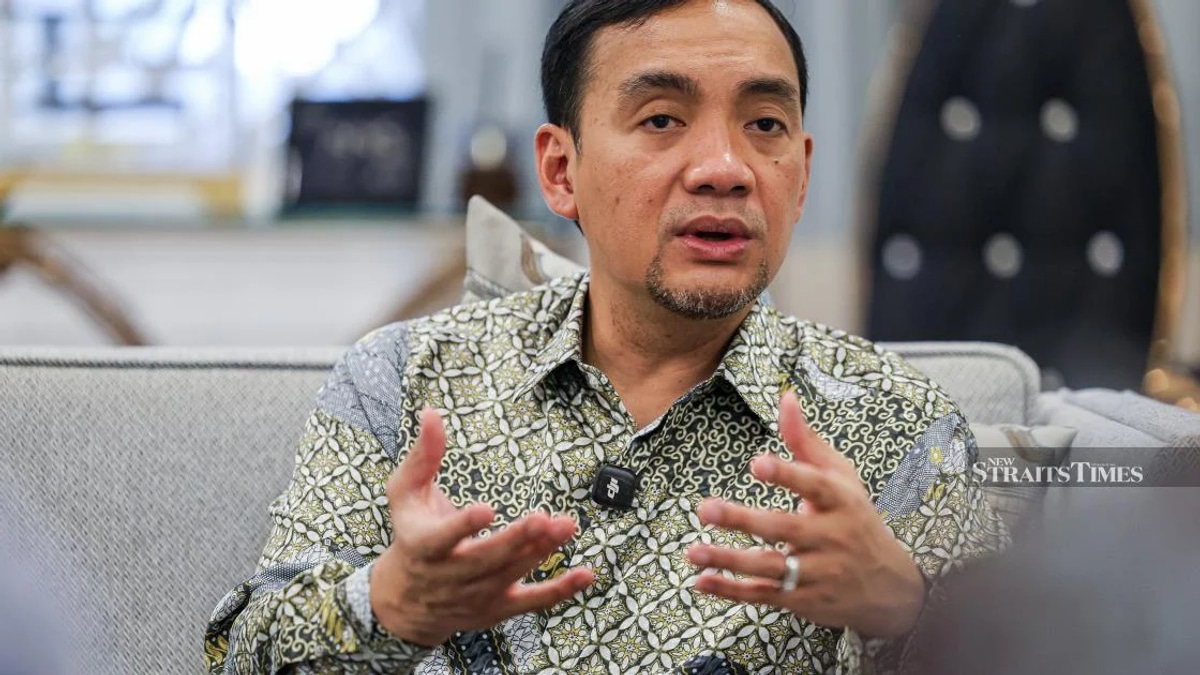
Bersatu has signalled its willingness to mount a comprehensive challenge against rival coalition partner PAS, marking a significant escalation in tensions within Malaysia's Malay-Muslim political landscape. The declaration comes from former Prime Minister Muhyiddin Yassin, who has positioned his party as prepared to engage in sustained confrontation with the Islamist party across all political and organisational dimensions.
The timing of Muhyiddin's combative rhetoric reflects deepening fractures within the Perikatan Nasional alliance, which has long struggled to maintain unity between its two dominant components. While Bersatu and PAS have formally remained within the same coalition framework, their interests have diverged significantly on matters of electoral strategy, policy direction, and leadership influence. The declaration that Bersatu will contest elections "on all fronts" suggests the party intends to challenge PAS in constituencies where overlap exists, rather than continuing previous cooperative arrangements that saw seat allocations negotiated to minimise direct competition.
Muhyiddin's confirmation that Bersatu will field candidates under the Perikatan Nasional banner in the forthcoming Johor and Negeri Sembilan state elections carries substantial implications for both state politics and the broader federal coalition landscape. Johor, Malaysia's second-largest state by population, represents particularly crucial political terrain given its electoral significance and the presence of competing power centres within PN. Negeri Sembilan, meanwhile, has experienced considerable political volatility, with state governments changing composition multiple times in recent years. These contests will serve as important barometers for the relative strength and appeal of competing factions within the Malay-Muslim electorate.
The strategic positioning reflects Bersatu's apparent conviction that direct competition with PAS will yield electoral benefits, rather than damage the broader coalition's prospects against Pakatan Harapan or other opposition forces. This calculation suggests confidence in Bersatu's grassroots organisation and appeal among the constituencies it aims to contest. However, it also indicates the party leadership's assessment that collaborative seat-sharing arrangements with PAS have not served Bersatu's interests adequately, and that voters may be receptive to a clearer differentiation between the two parties' political identities and policy platforms.
The escalating rhetoric from Bersatu's leadership must be understood within the context of Malaysia's shifting political coalitions and the intense competition for influence within PN. Since its formation, Perikatan Nasional has never functioned as a tightly cohesive alliance, and both Bersatu and PAS have maintained parallel organisational structures and separate policy agendas. The former prime minister's willingness to articulate combative language publicly suggests the party has decided that restrained public diplomacy is no longer strategically valuable, and that openly contested elections within PN constituencies may strengthen rather than weaken the coalition's overall electoral performance.
For Malaysian observers, this development underscores the inherent tensions within Malaysia's coalition system, where parties with overlapping support bases must navigate between cooperation and competition. Bersatu's aggressive positioning raises questions about whether such internal contests could fragment the PN vote and inadvertently benefit larger rival coalitions. Conversely, if voters do respond positively to Bersatu's differentiated message and campaign platform, the party may emerge from these state elections with enhanced influence within Perikatan Nasional's power structure.
The implications extend beyond electoral mathematics to encompass the substantive direction of Malay-Muslim political leadership in Malaysia. PAS has leveraged its coalition partnership to influence federal policy direction, particularly on religious and governance matters. Bersatu's challenge potentially signals a competing vision for how Perikatan Nasional should evolve and what policy priorities should predominate. The contest between these parties will reflect, in part, competing views about whether PN should emphasise strict religious orthodoxy or pursue a broader appeal encompassing secular governance concerns.
Regional dynamics also warrant consideration. Within Southeast Asia's broader political context, Malaysia's coalition politics carry implications for how Malay-Muslim political movements balance unity with internal competition. The willingness of Malaysian parties to contest elections against formal allies, rather than subordinating themselves to coalition discipline, reflects democratic practices that may or may not be replicated across the region. These state elections will provide evidence about whether Malaysian voters prefer unified coalition messaging or distinct party positioning.
Looking forward, the outcomes in Johor and Negeri Sembilan will substantially influence both Bersatu's internal confidence and PN's structural cohesion heading toward potential federal elections. Should Bersatu perform strongly against PAS in direct contests, the party may press for greater influence in coalition decision-making and candidate selection processes. Conversely, if the strategy yields disappointing results, it could force recalibration of Bersatu's approach and potentially prompt renewed negotiation of seat-sharing arrangements with PAS. Either outcome will reshape the balance of power within Malaysia's coalition system and influence how Malay-Muslim voters perceive their available political choices.