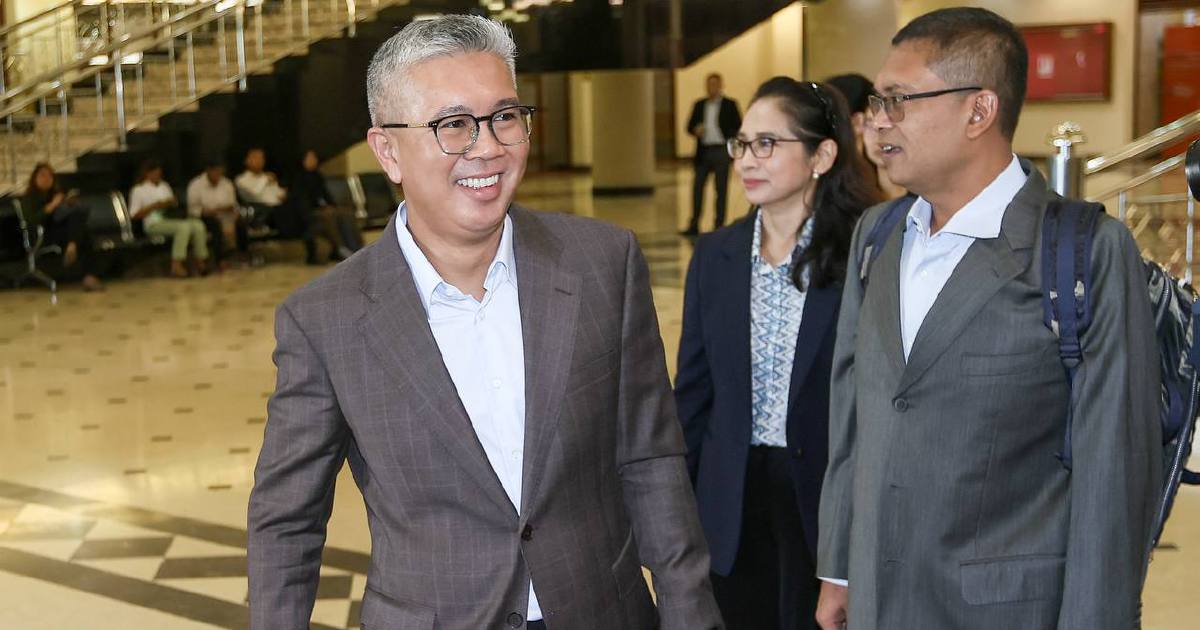
Tan Sri Muhyiddin Yassin identified 54 contractors for appointment under the Jana Wibawa programme through a direct negotiation process, according to testimony delivered by former Finance Minister Tengku Datuk Seri Zafrul Tengku Abdul Aziz in the High Court today. The revelation emerged during proceedings that centered on procurement practices and decision-making processes within the controversial economic stimulus initiative.
The Jana Wibawa programme represented a significant government spending effort aimed at supporting economic recovery and infrastructure development. The programme's implementation involved substantial contract allocations, with the contractor selections forming a central point of inquiry in the ongoing legal proceedings. Tengku Zafrul's account provides insight into the appointment methodology and the actors involved in contract distribution decisions during that period.
Direct negotiation represents a procurement approach distinct from open competitive tendering, which typically involves public advertisement and broader participation from potential service providers. The use of direct negotiation for such a large volume of contracts has historically attracted scrutiny regarding transparency and fairness in government procurement processes. Malaysia has long grappled with questions surrounding the integrity of contractor selection mechanisms, particularly when alternative competitive methods might have been available.
The number of contractors identified—54 in total—suggests a substantial programme scope encompassing multiple project categories or geographical regions. Understanding the scale of contractor involvement helps contextualize the programme's reach and the magnitude of government resources directed toward these initiatives. The involvement of such numbers of entities raises questions about coordination, oversight, and the mechanisms established to monitor implementation quality across diverse project sites.
Muhyiddin Yassin's tenure as Prime Minister extended from 2020 to 2021, a period marked by significant economic challenges including the COVID-19 pandemic's impact on Malaysia's economy. The Jana Wibawa programme must be understood within this context of extraordinary economic disruption and the government's attempt to inject stimulus spending into struggling sectors. However, the circumstances surrounding programme implementation and contractor selection have remained contentious subjects of public and parliamentary debate.
Tengku Zafrul served as Finance Minister during overlapping periods with various government administrations. His position provided direct involvement in budgetary allocations and fiscal policy decisions, making his testimony particularly relevant to understanding how programmes like Jana Wibawa were structured and financed. His account represents first-hand knowledge of decision-making processes at the highest levels of financial governance within the Malaysian state apparatus.
The court proceedings involving these matters underscore ongoing institutional mechanisms for examining government expenditure and procurement practices. The judicial process offers a formal avenue for scrutinizing decisions made during periods of executive authority, contributing to accountability frameworks that operate alongside parliamentary oversight and public administrative reviews. Such proceedings, while often complex and prolonged, serve important functions in maintaining institutional checks on governmental power.
Contractor appointment through direct negotiation rather than competitive bidding represents a recurring policy tension in developing economies. Governments often justify such approaches citing urgency, technical specialization requirements, or relationship-continuity arguments. Critics contend that direct negotiation reduces transparency, limits competitive pressure for cost-efficiency, and creates opportunities for preferential treatment. The Malaysian public discourse around government procurement has consistently reflected these competing considerations.
The Jana Wibawa programme itself reflected a particular economic philosophy regarding state intervention during crisis periods. Proponents emphasize its role in stabilizing employment and supporting critical infrastructure; detractors question whether resources reached intended beneficiaries efficiently and whether alternative approaches might have achieved superior outcomes. These broader programmatic questions interconnect with specific procurement practices that formed the subject of Tengku Zafrul's testimony.
Financial governance and procurement transparency remain persistent policy challenges across Southeast Asian nations. Malaysia's experiences with programmes like Jana Wibawa contribute to evolving regional conversations about best practices in rapid government spending deployment whilst maintaining accountability standards. The legal proceedings examining these matters generate precedents potentially influencing future government programme design and implementation approaches across the region.
The High Court proceedings continue to develop the factual record regarding Jana Wibawa's implementation architecture. Tengku Zafrul's testimony adds significant detail to understanding the programme's contractor selection processes, whilst raising broader questions about optimal institutional mechanisms for balancing responsiveness to economic emergencies against long-term commitments to procurement transparency. These considerations will likely influence future government policy deliberations regarding stimulus spending and infrastructure investment programmes undertaken under time pressure or extraordinary economic circumstances.

