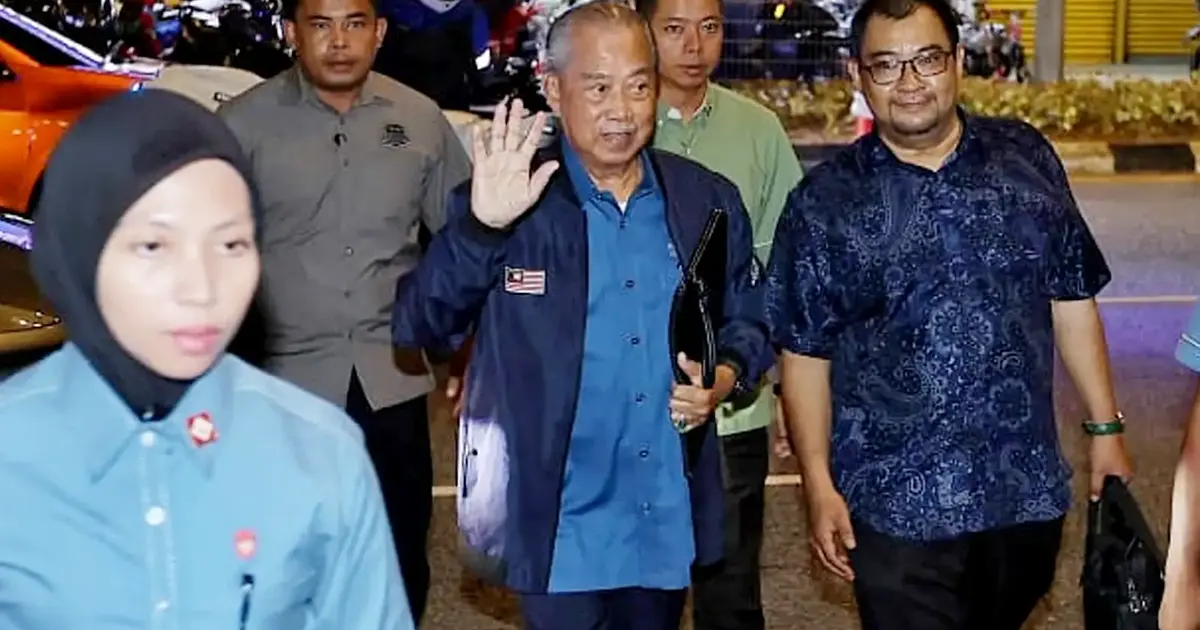
Tan Sri Muhyiddin Yassin and a contingent of Bersatu party leaders convened late today for an emergency Perikatan Nasional gathering aimed at navigating the political turbulence created by PAS's abrupt withdrawal from the coalition. The hastily arranged session underscores the mounting instability within one of Malaysia's most volatile political alliances, which has repeatedly reshuffled its composition and strategic direction since its formation.
The central purpose of tonight's assembly centres on reassessing Bersatu's role and viability within the Perikatan Nasional framework following PAS's decision to terminate its membership in the coalition. This development represents a significant fracture within the bloc, removing one of its component parties and fundamentally altering the power dynamics that have underpinned recent political negotiations and policy coordination among PN members.
Peykatan Nasional was initially conceived as an alternative political vehicle that could challenge the dominance of the Barisan Nasional and Pakatan Harapan coalitions. The bloc has incorporated different parties at various junctures, reflecting the fluid and opportunistic nature of Malaysian coalition politics. However, the alliance has struggled to maintain cohesion, particularly given the competing ambitions of its component parties and their varying electoral fortunes across different states and constituencies.
Bersatu's position within PN carries particular significance because the party is directly associated with Muhyiddin, who previously served as Prime Minister from March to August 2021. The party's political capital and relevance remain intrinsically tied to its ability to retain meaningful influence within coalition structures. PAS's departure potentially weakens Bersatu's negotiating leverage and raises questions about whether remaining within PN continues to serve the party's strategic interests.
The timing of PAS's separation warrants scrutiny given Malaysia's intricate political calendar and ongoing jockeying between coalitions for parliamentary advantage. Such coalition shifts frequently occur amid negotiations over ministerial positions, state government formations, or disputes over resource allocation. Understanding the precise triggers for PAS's exit requires examining any recent disagreements over representation, policy direction, or electoral strategy that may have prompted the party to seek an alternative political path.
Peykatan Nasional's instability reflects broader challenges confronting Malaysian coalition politics. Unlike more institutionalized systems where coalitions tend toward greater permanence, Malaysian political blocs operate more as temporary conveniences among parties pursuing individual survival and advancement. Parties readily switch allegiances when calculations shift, creating an unpredictable landscape where yesterday's allies become today's competitors.
Bersatu currently faces critical decisions regarding its future orientation. The party must determine whether to remain within a diminished Perikatan Nasional, pursue alternative coalitional arrangements, or attempt independent parliamentary strategies. Each option carries distinct risks and opportunities. Remaining in PN without PAS potentially marginalizes Bersatu's influence, while seeking new partnerships may be complicated by historical rivalries or perceived betrayals among other political entities.
The emergency convocation also signals potential concern among PN leadership about maintaining the coalition's numerical strength and parliamentary effectiveness. Coalition viability depends partly on aggregate seat counts and negotiating power, particularly in a parliament where no single bloc commands a decisive majority. The loss of PAS's parliamentary representatives diminishes PN's collective leverage in government formation and legislative negotiations.
Malaysian political observers will closely monitor whether tonight's discussions produce any public announcements regarding PN's future trajectory or Bersatu's strategic repositioning. Coalition gatherings of this nature sometimes yield coordinated public statements emphasizing solidarity and shared vision, even when underlying tensions remain unresolved. Alternatively, the assembly might generate significant disagreements about the appropriate response to PAS's departure.
Regional political analysts have grown accustomed to Malaysia's regular coalition reconfigurationsover recent years. However, the frequency and severity of such disruptions raise concerns about governmental stability and policy continuity. Southeast Asian observers note that Malaysian coalition instability occasionally carries implications beyond national borders, particularly regarding bilateral relationships and regional economic initiatives that require sustained governmental commitment.
Bersatu's trajectory since its formation in 2016 has been marked by significant volatility. The party's involvement in various government coalitions, parliamentary manoeuvres, and internal leadership contests has made it emblematic of contemporary Malaysian politics' flux and unpredictability. Tonight's emergency meeting represents another chapter in this continuing narrative.
The broader implications of PAS's departure extend beyond Bersatu's immediate circumstances. The move suggests that component parties within PN continue assessing whether coalition membership serves their electoral prospects and policy objectives. Such ongoing evaluations keep PN's structural integrity fundamentally uncertain, complicating medium-term political planning and potentially influencing voter behaviour during electoral contests.
As deliberations proceed, attention will focus on whether Bersatu emerges from this emergency consultation with reinforced commitment to PN or contemplating alternative political strategies. The party's decisions in coming days and weeks will substantially influence the coalition's continued relevance in Malaysia's increasingly competitive and unpredictable political environment.