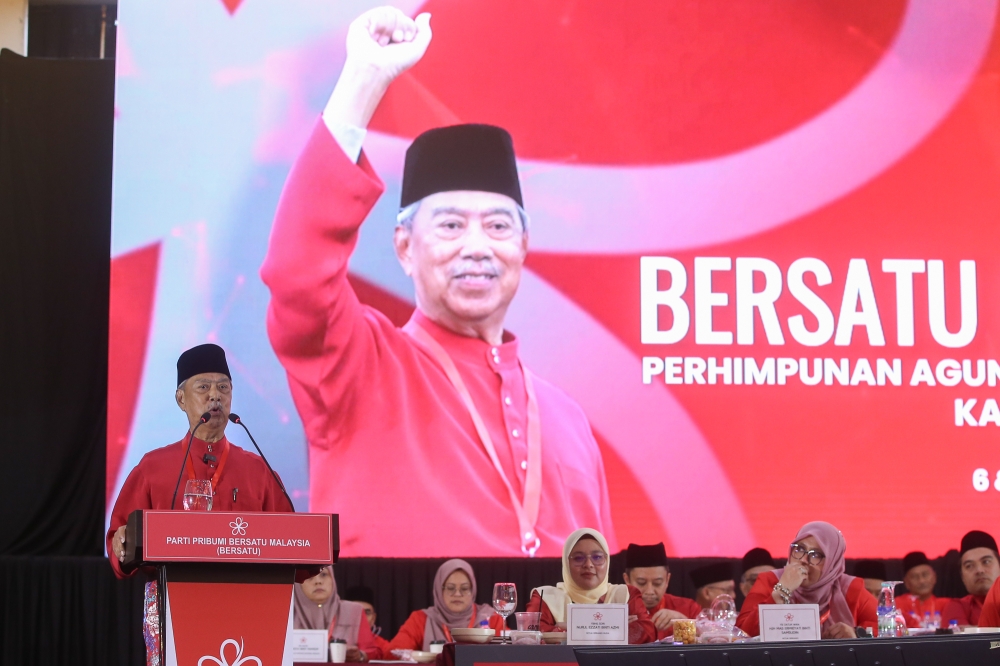
Parti Pribumi Bersatu Malaysia's president Tan Sri Muhyiddin Yassin has launched a pointed critique of his coalition partners, asserting that Perikatan Nasional has systematically marginalised Bersatu's role within the alliance structure. Speaking in Kuala Lumpur on July 17, Muhyiddin expressed frustration at what he characterised as the exclusionary treatment of his party, suggesting that Bersatu's political weight has been substantially diminished despite its historical contributions to the bloc's formation and electoral performance.
The Perikatan alliance, which has served as a cornerstone of Malaysia's opposition coalition architecture in recent years, appears to be experiencing internal strain as member parties jockey for position ahead of forthcoming electoral contests. Muhyiddin's comments underscore growing tensions within the coalition, revealing fundamental disagreements about power distribution and strategic direction that could reshape Malaysia's political landscape. The Bersatu leader's willingness to air grievances publicly signals that behind-the-scenes negotiations have reached an impasse, forcing him to appeal directly to party members and supporters.
Crucially, Muhyiddin directed particular criticism toward the proposed alliance between Perikatan and Umno, characterising it as a superficial arrangement rather than a coherent political partnership rooted in shared ideological commitment to Malay-Muslim interests. He contended that such a merger would lack authenticity, representing instead a transactional alignment driven by narrow electoral calculations rather than a genuine commitment to safeguarding community welfare and advancement. This assertion touches on a sensitive nerve within Malaysian politics, where appeals to Malay-Muslim unity carry substantial symbolic weight and electoral implications.
The distinction Muhyiddin draws between authentic and performative Malay unity reflects deeper anxieties within the opposition bloc about dilution of core principles. Bersatu, founded on a platform emphasising Malay and Muslim concerns, has positioned itself as more ideologically consistent than Umno, which the party views as compromised by years of governance and allegations of institutional corruption. From Muhyiddin's perspective, aligning with Umno risks legitimising a party whose stewardship of Malay interests he implicitly questions, potentially eroding Bersatu's distinctive political identity and moral authority within its target constituency.
The timing of these remarks carries strategic significance within Malaysia's evolving political calendar. With electoral cycles approaching and coalitions undergoing reconfiguration, Muhyiddin's intervention appears designed to galvanise Bersatu's grassroots support and demonstrate continued leadership relevance. By challenging Perikatan's institutional direction, he positions himself as defending party interests against perceived dilution or abandonment by larger partners who may view Bersatu as expendable to their broader ambitions. This manoeuvre reflects broader patterns in Malaysian coalition politics, where smaller parties periodically assert independence to prevent absorption or marginalisation.
For regional observers, Muhyiddin's critique illuminates the fragility of opposition coalitions in Southeast Asia's largest Muslim-majority democracy. Unlike ruling coalitions that can rely on state machinery and incumbency advantages, opposition blocs depend almost entirely on maintaining member party cohesion through equitable power-sharing and respect for each party's political base. When these informal agreements erode, as appears to be happening within Perikatan, the entire coalition structure becomes vulnerable to defection and internal dissolution. The Malaysian situation mirrors challenges facing opposition alliances throughout Southeast Asia, where multi-party coalitions struggle to balance unity with preserving individual party identities.
Umno's own calculations in these negotiations remain complex and consequential. Malaysia's largest Malay-based political party faces pressure from multiple directions: it must convince traditional supporters that it remains committed to Malay-Muslim advancement while simultaneously appearing cooperative and inclusive to coalition partners and broader electorates. An alliance explicitly framed around Malay unity might simultaneously strengthen Umno's appeal to its core constituency while alienating voters from other communities and raising questions about inclusive governance. Muhyiddin's challenge forces Umno to either clarify its coalition intentions or risk appearing transactional to all parties involved.
The substantive disagreement about what constitutes genuine Malay unity versus strategic convenience reflects competing visions for Malaysia's political future. Muhyiddin implicitly argues that Bersatu represents a purer expression of Malay-Muslim political interests, uncorrupted by the institutional baggage and perceived compromises that characterise Umno's historical record. This argument resonates particularly among voters disillusioned with traditional political elites and seeking alternative leadership. Conversely, Umno and Perikatan strategists might argue that broader coalitions and inclusive approaches better serve long-term community interests than ideological purity pursued through narrow partnerships.
Looking forward, these internal coalition disputes carry implications extending far beyond immediate factional struggles. If Perikatan-Umno negotiations proceed without satisfactorily addressing Bersatu's concerns, the party faces genuine pressure to consider alternative political alignments or even realign closer to government. Such movements would fundamentally restructure Malaysian opposition politics, potentially weakening whatever momentum opposition forces have built. Conversely, if negotiators accommodate Bersatu's demands for meaningful influence within any merged structure, it might validate Muhyiddin's public advocacy while confirming that strategic pressure and political brinkmanship remain effective negotiating tactics within Malaysian coalition frameworks.
Muhyiddin's intervention ultimately highlights how Malaysian political coalitions remain personalised, unstable arrangements heavily dependent on constituent party leaders' willingness to subordinate narrow partisan interests to broader alliance objectives. Without institutional mechanisms ensuring equitable power distribution and protecting minority coalition members' political space, such arrangements remain perpetually vulnerable to dissolution when leadership calculations change. The coming months will reveal whether Perikatan-Umno negotiations produce arrangements satisfying Bersatu's core concerns or whether Muhyiddin's warnings presage more fundamental restructuring of Malaysia's opposition landscape.

