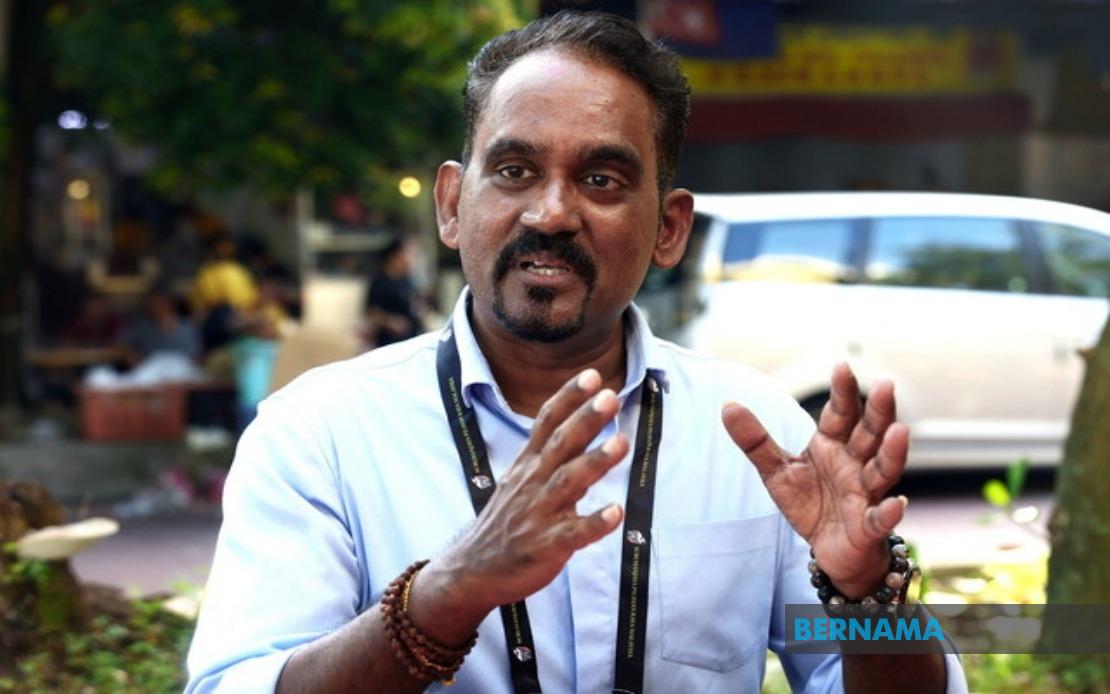
The Malaysian United Democratic Alliance (MUDA) is banking on momentum in Johor's upcoming state election, with party candidate M. Premanand declaring strong optimism that the Bukit Batu constituency represents a pathway for significant gains in the 16th Johor state polls scheduled for July 11. Speaking in Kulai, the 53-year-old first-time state election contender drew parallels to MUDA's successful performance in Puteri Wangsa during the previous Johor election cycle, suggesting the party's appeal transcends individual constituencies and reflects a broader shift in voter preferences across the state.
Premanand's confidence rests substantially on what he identifies as the electorate's receptiveness to MUDA's core messaging around institutional transparency and political integrity. The candidate specifically highlighted the credibility and consistent public engagement of MUDA founder Syed Saddiq Syed Abdul Rahman, framing the party leader's persistent efforts to serve constituents despite encountering institutional and political obstacles as a differentiating factor in a crowded competitive landscape. This positioning reflects MUDA's broader electoral strategy of contrasting itself with established players by emphasizing ethical governance and accountability as central selling points rather than conventional development pledges.
Beyond party ideology, Premanand's candidacy rests on personal connection to the Bukit Batu electorate. As a lifelong Kulai resident with established community networks, he brings existing social capital into the campaign equation. His professional background as a trainer and organisational development consultant spans multiple industries across Malaysia, providing him with credentials in workforce development and institutional management that resonate with his articulated policy priorities. This combination of local rootedness and cross-sector experience distinguishes his profile from typical political newcomers who lack either community integration or specialized expertise.
The candidate's primary development agenda targets employment quality and wage competitiveness, issues that strike particularly resonant chords in Johor given the state's proximity to higher-wage markets across the causeway in Singapore. Premanand identified a significant disconnect between industry demand for specialized skills and the actual capabilities possessed by young Johor residents, a structural mismatch that pushes workers either toward lower-wage positions domestically or toward seeking employment abroad. His explicit commitment to creating conditions where Johor residents can access quality employment within state borders addresses a long-standing regional economic concern that affects household sustainability amid accelerating cost-of-living pressures.
Premanand's wage-focused platform carries implicit recognition of Malaysia's broader economic challenges, particularly the erosion of purchasing power that has characterized recent years. By pledging to establish Bukit Batu as a demonstration constituency for wage adequacy, he frames the constituency as a testing ground for addressing national economic anxieties at the micro level. This approach transforms a localized election contest into a proxy discussion about whether new political actors can deliver tangible improvements in living standards rather than merely promising them through conventional campaign rhetoric.
Draining and flood management infrastructure represents Premanand's secondary policy concern, indicating responsiveness to constituency-specific environmental vulnerabilities. Johor's susceptibility to seasonal flooding and the inadequacy of existing mitigation infrastructure across multiple districts has generated sustained voter frustration with incumbent administrations perceived as slow-moving on hydraulic engineering solutions. By elevating this issue, Premanand signals awareness of grassroots grievances that transcend partisan affiliation and appeal to pragmatic voter concerns about property protection and seasonal disruption.
The Bukit Batu contest itself features considerable structural complexity, with five candidates competing for a single seat. Beyond Premanand's MUDA candidacy, the race includes R. Kumaran representing Barisan Nasional (BN), Arthur Chiong Sen Sern as the Pakatan Harapan (PH) standard-bearer, G. Tamili fielded by the newer Parti Bersama Malaysia (Bersama), and Independent candidate Datuk Kamaruzaman Ali. This five-way competition creates fractured vote dynamics where sub-plurality performances may determine the outcome, potentially favoring candidates with concentrated geographic or demographic support bases over those attempting broad-coalition appeals.
The electoral calendar compounds competitive intensity, with early voting scheduled for July 7 preceding the main election day on July 11. This condensed timeframe limits campaign duration and places premium value on pre-existing voter familiarity and organizational capacity to mobilize supporters. For a first-time candidate like Premanand, leveraging community networks and grassroots volunteer structures becomes especially critical given the compressed timeline for introducing himself to voters unfamiliar with his candidacy.
Premanand's electoral prospects reflect MUDA's evolving position within Johor's political ecosystem. The party achieved a breakthrough in the previous state election that established its credibility as an electoral force capable of winning individual constituencies, but the 2023 Johor performance also exposed limitations in statewide reach and organizational depth. Building on Puteri Wangsa success while potentially expanding into constituencies like Bukit Batu would signal maturation beyond novelty status toward sustained competitive presence. The candidate's emphasis on local credentials alongside party ideological positioning suggests a campaign strategy balancing MUDA's reform-oriented brand with reassurances about community-embedded representation and constituent-specific advocacy.
Johor's state politics remain notably fluid despite BN's historical dominance, with the 2023 election outcome reflecting voter willingness to split mandates and experiment with non-traditional political options. Premanand's candidacy exists within this broader context of electoral volatility and constituent appetite for alternatives to established political machinery. Whether his optimism translates into actual victory depends substantially on the fragmentation dynamics within the five-candidate field and whether his personal credibility and local integration can overcome the organizational resources commanded by better-established parties. The July 11 outcome in Bukit Batu will provide meaningful indicators regarding MUDA's capacity for geographic expansion beyond initial breakthrough constituencies and the persistence of voter interest in the party's transparency-focused messaging within specific regional contexts.

