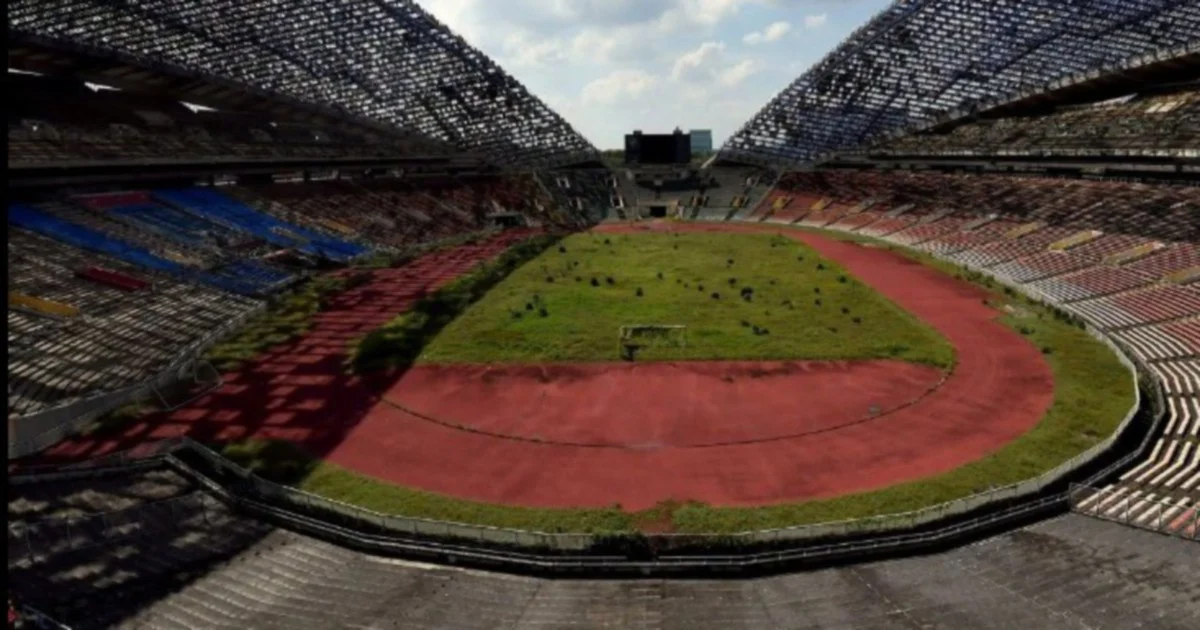
Malaysian Resources Corporation Bhd (MRCB) has obtained a consent judgment from the Shah Alam High Court in a case centring on activist Abdul Razak Ismail's online commentary regarding the demolition and subsequent redevelopment of Shah Alam Stadium. The construction company claimed that these digital publications had inflicted financial harm on its business interests and reputation in the marketplace. This legal outcome represents a significant moment in the intersection of corporate interests, digital activism, and the limits of public discourse in Malaysia.
The Shah Alam Stadium project has long been a focal point of public scrutiny and debate. The 80,000-capacity venue, which once hosted major sporting events and concerts, underwent a transformation as MRCB sought to reimagine its future through demolition and comprehensive redevelopment. Such ambitious urban regeneration initiatives inevitably attract criticism from those concerned about heritage preservation, community impact, and financial accountability. The emergence of this legal action signals how corporations are increasingly willing to pursue court remedies when they believe their commercial standing has been undermined by public commentary.
Abdul Razak Ismail's activism around the stadium project reflects broader concerns within Malaysian civil society about urban development, transparency, and the role of major construction firms in shaping the nation's landscape. Activists and community observers have questioned various aspects of large-scale infrastructure projects, from environmental implications to financial arrangements and public consultation processes. The specific nature of Ismail's online publications—whether they comprised factual assertions, opinion pieces, or calls to action—remains a crucial consideration in understanding how Malaysian courts weigh freedom of expression against claims of economic damage.
The consent judgment mechanism employed here is noteworthy from a legal standpoint. Rather than proceeding to full trial, both parties agreed to settle the matter through a consent order, suggesting that a negotiated resolution served the interests of both MRCB and Ismail. This approach circumvents the need for extended litigation, which can be costly and time-consuming for all involved. However, consent orders can sometimes obscure the underlying facts and legal principles at stake, as the terms often remain confidential or subject to limitations on public disclosure.
The question of whether online publications caused genuine economic damage to MRCB's operations and market position forms the legal foundation of this case. Establishing a causal link between specific posts or commentary and measurable financial loss presents evidentiary challenges that courts must carefully navigate. MRCB's claim suggests that Ismail's content deterred investment, affected shareholder confidence, or compromised business relationships—allegations that require substantial documentation to substantiate. The company's success in securing a consent order indicates that it presented a sufficient case for concern.
This litigation reflects growing tensions in Malaysia regarding digital speech and corporate accountability. As social media platforms expand reach and influence, corporate entities face mounting challenges from critics who can amplify their message to thousands of followers instantaneously. Traditional remedies such as libel and defamation suits have increasingly migrated to the digital realm, raising questions about whether existing legal frameworks adequately address the realities of online communication. The MRCB case exemplifies how companies are deploying litigation as a tool to police digital discourse about their operations.
From a broader Malaysian perspective, the Shah Alam Stadium case intersects with ongoing debates about transparency in major construction projects. The public has legitimate interests in understanding how large-scale demolition and redevelopment decisions are made, funded, and executed. When activism around such projects results in legal action, observers must consider whether the outcome chills legitimate public discourse or genuinely protects against demonstrably false and economically damaging statements. This distinction matters significantly for maintaining a functioning democratic society that balances corporate interests with civic participation.
The implications of this consent order extend beyond MRCB and Ismail personally. Other activists and commentators monitoring the case will likely consider their own commentary more carefully, aware that corporations possess legal tools to pursue remedies. This dynamic can create a chilling effect on speech, particularly among those lacking substantial financial resources to mount a robust legal defense. Yet it may also encourage greater precision in public discourse, as activists become more careful to distinguish between opinion and factual assertion.
Context matters considerably in understanding this case within Malaysia's broader activist landscape. Civil society organizations have long engaged in criticism of government projects, corporate decisions, and development initiatives. The regulatory environment governing such activism has evolved over time, with courts occasionally intervening to protect both speakers and institutions from demonstrable harm. The Shah Alam Stadium judgment represents one data point in this ongoing negotiation between free expression and economic protection.
For Southeast Asian readers observing Malaysian legal trends, the MRCB case offers insights into how regional courts are handling emerging challenges posed by digital activism. As more people across the region utilize social media to comment on development projects and corporate conduct, similar cases will likely proliferate. The manner in which Malaysian courts resolve these disputes may establish precedents that influence how neighbouring jurisdictions approach comparable situations, particularly where online publications intersect with significant business interests.

