Lawmakers from across the Malaysian Parliament have made an emphatic case for conducting any investigations stemming from the Tabung Haji Royal Commission of Inquiry with full transparency and independence, underscoring the need to safeguard depositor rights and restore public confidence in the institution. The call came during a special sitting of the Dewan Rakyat dedicated to scrutinizing the RCI report, which scrutinized the management of the pilgrimage fund over a six-year period ending in 2020 and identified significant governance shortcomings.
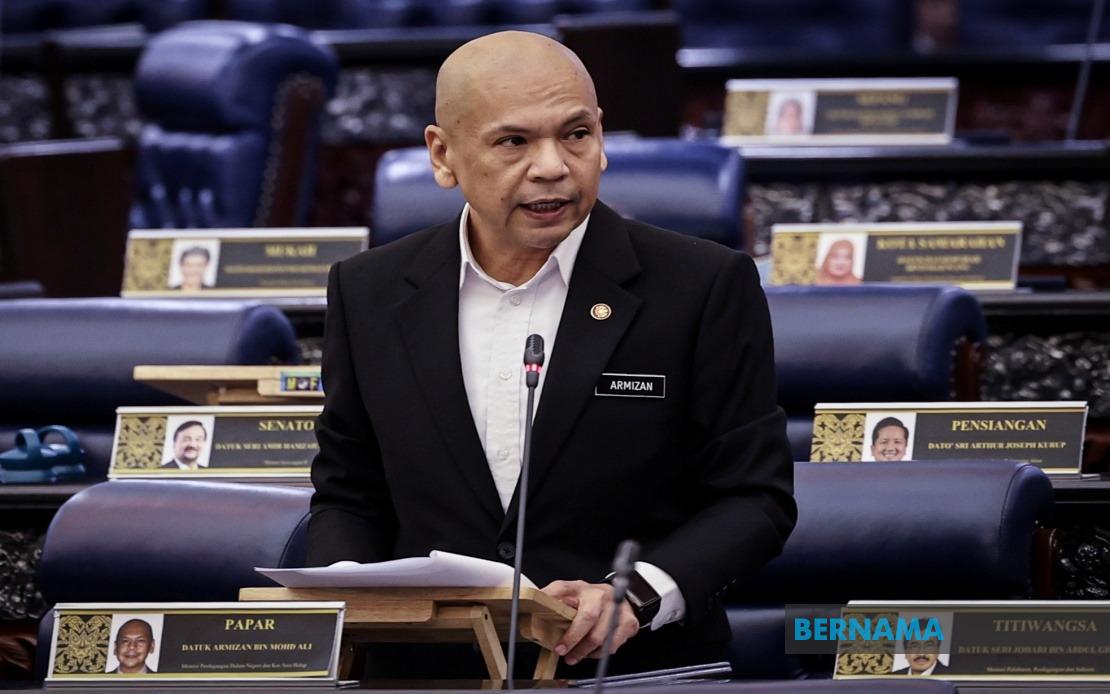
Minister of Domestic Trade and Cost of Living Datuk Armizan Mohd Ali articulated the legislative concern that the Tabung Haji controversy has devolved into a maze of competing accusations and counter-claims among various stakeholders, with allegations of defamation and slander flying between rival parties. This finger-pointing, he suggested, has muddied public understanding of what actually transpired and who bears responsibility for the fund's difficulties. The opacity surrounding culpability has left ordinary Malaysians bewildered about the true nature and scope of the problems that warranted a royal commission inquiry in the first place.
Armizan stressed that any enforcement action must be conducted with professional rigor and grounded in a careful assessment of both factual evidence and legal principles. Without such grounding, he warned, investigations risk becoming merely another battleground for political and personal scores rather than a genuine quest for accountability. The procedural integrity of such inquiries is essential not only for determining individual responsibility but for establishing a clear factual record that can guide institutional reforms and prevent similar failures from recurring.
Beyond the investigative dimension, the Papar MP emphasized that Parliament and relevant authorities must equally prioritize the 25 recommendations contained within the RCI report itself. According to official records, Tabung Haji had implemented approximately 75 percent of these recommendations by late July, yet the remaining quarter remain pending. Completing this reform agenda, Armizan suggested, would be instrumental in solidifying the fund's operational improvements and reinforcing governance frameworks that protect future pilgrims' savings.
Minister of Women, Family and Community Development Datuk Seri Nancy Shukri addressed a separate but related institutional question: the appropriate ministerial structure for overseeing Tabung Haji's affairs. She endorsed maintaining haj-related matters within the purview of the Minister in the Prime Minister's Department (Religious Affairs), while keeping financial and investment oversight under the Finance Ministry. This bifurcated arrangement, she contended, reflects rational specialization of duties according to professional expertise rather than arbitrary bureaucratic division.
Nancy's argument centered on ensuring that each ministry brings its particular competencies to bear on distinct aspects of the fund's operations. Such compartmentalization, she reasoned, reduces jurisdictional overlap and allows officials to concentrate on their respective areas of strength. The Finance Ministry, with its technical expertise in capital markets and asset management, would focus on investment performance and financial compliance, while the religious affairs portfolio would handle matters of pilgrimage coordination and religious propriety.
A more contentious issue addressed by Nancy involved the question of political appointments to Tabung Haji's board of directors—a practice the RCI report had scrutinized. Rather than advocating a blanket prohibition on politically-connected individuals serving as directors, she argued that the relevant criterion should be individual merit and competence. Political affiliation alone, she suggested, should neither disqualify nor automatically qualify a candidate for board membership.
However, Nancy underscored that this merit-based approach requires institutional safeguards. Clear criteria for director appointments, transparent selection processes, and explicit specification of required expertise must be embedded within Tabung Haji's governance framework. These mechanisms would ensure that even if appointed directors carry political connections, they possess the requisite qualifications, experience, integrity, and capability to discharge their fiduciary duties effectively. The distinction she drew is significant: political appointment need not equate to political capture, provided the selection process is rigorous and merit-focused.
The special Dewan Rakyat sitting itself represents a parliamentary assertion of the legislature's role in scrutinizing institutions and demanding accountability. By creating a dedicated forum for MPs to examine and debate the RCI findings, Parliament signaled to depositors and the broader public that their concerns are being taken seriously at the highest levels of government. The fact that the government chose to make the RCI report public on July 29, rather than keeping it confidential, reflected a commitment—at least in principle—to transparency around institutional failures and corrective measures.
The RCI investigation itself had covered a substantial period of Tabung Haji's operations, examining the fund's management and investment decisions during 2014 to 2020, a timeframe that encompassed significant market volatility and strategic shifts in the fund's portfolio management. The inquiry's articulation of 25 distinct improvement recommendations suggests a comprehensive identification of systemic weaknesses rather than isolated incidents. The rapidity with which the fund has implemented three-quarters of these recommendations indicates either that many remedies were relatively straightforward, or that institutional leadership recognized the urgency of demonstrating responsiveness to the commission's findings.
For Malaysian depositors, particularly the millions of Muslims who contribute regularly to Tabung Haji as part of their savings discipline toward pilgrimage, the parliamentary debate carries significant meaning. Their contributions represent not merely financial investments but an expression of religious commitment and long-term personal planning. Failures in governance thus strike at both their material security and their confidence in institutions entrusted with sacred responsibilities. The insistence by MPs on transparent investigations and merit-based governance reflects public pressure to ensure such breaches do not recur.
The discussion also touches implicitly on broader questions about institutional design in Malaysian governance. Whether political appointments to state-linked company boards inevitably compromise institutional independence remains contested, but the emphasis on transparent criteria and merit-based assessment suggests a middle position: political involvement need not be eliminated, but it must be subjected to clear, publicly-defensible standards. This approach may prove increasingly relevant as Parliament grapples with governance challenges across various state agencies and funds.
Moving forward, the credibility of whatever investigative steps emerge from this parliamentary debate will depend substantially on their perceived independence and the rigor with which evidence is gathered and analyzed. Tabung Haji's substantial progress on implementing reform recommendations demonstrates institutional capacity to respond to criticism, yet the remaining quarter of recommendations and any necessary enforcement actions will determine whether public confidence in the fund can be fully restored.

