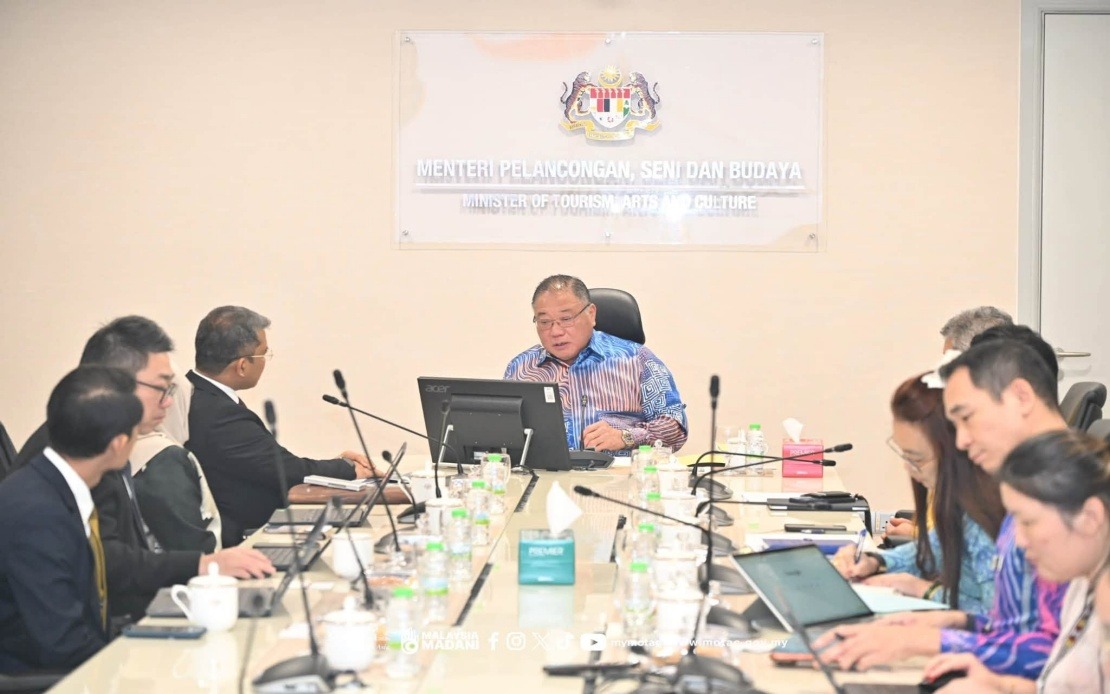
Tourism, Arts and Culture Minister Datuk Seri Tiong King Sing and Malaysia Aviation Group president and chief executive officer Captain Nasaruddin A Bakar have committed to deepening their strategic alliance as Malaysia seeks to maximise the extended Visit Malaysia Year 2026 campaign. The collaboration, discussed during high-level talks in Putrajaya, represents a coordinated push to leverage aviation capacity and marketing muscle in attracting more international visitors to Malaysian shores during a prolonged promotional push that now extends into 2027.
The partnership between the Ministry of Tourism, Arts and Culture and MAG carries particular significance given Malaysia's competitive position within Southeast Asia's tourism landscape. With regional competitors actively investing in visitor acquisition, the combination of government policy support and aviation industry resources creates a more formidable platform for destination marketing. The extended campaign timeline itself signals confidence from authorities that sustained promotional efforts, backed by increased flight connectivity, can substantially lift arrivals beyond pre-pandemic levels and establish Malaysia as a preferred long-haul destination.
Expanding the airline's international network represents a central pillar of the joint strategy. MAG has identified India, China, and Europe as priority markets for growth, reflecting both demographic trends favouring outbound tourism from these regions and Malaysia's established appeal among these populations. The addition of new routes to destinations such as Fukuoka in Japan demonstrates recognition that incremental expansion of the aviation footprint, even to secondary regional hubs, can generate meaningful visitor flows when supported by coordinated tourism promotion. For Malaysian readers, this expansion signals investment in infrastructure that facilitates not only inbound tourism but also outbound connectivity for Malaysian travellers.
The low-season demand challenge has long bedevilled Malaysia's tourism sector, with pronounced fluctuations in visitor numbers creating operational inefficiencies across hospitality, transport, and attractions. By combining joint marketing initiatives with coordinated flight promotions, MOTAC and MAG aim to smooth these valleys through strategic pricing and promotional campaigns targeting periods of traditionally weak demand. This approach requires sophisticated yield management and requires the airline and tourism bodies to share data and coordinate messaging to generate traction among prospective visitors during off-peak periods.
Enhancements to the passenger experience emerge as a secondary but substantive component of the partnership. Improvements to cabin facilities, in-flight catering standards, and cabin crew training investments signal that both organisations recognise that international visitor satisfaction extends beyond destination attractions to encompass the complete journey experience. Malaysian carriers competing for long-haul traffic from distant markets cannot rely solely on pricing; service quality and amenities increasingly influence airline selection among affluent international travellers. Investing in these improvements therefore strengthens MAG's competitive positioning while contributing to positive impressions that shape return visit propensity and word-of-mouth recommendations.
The emphasis on supporting domestic tourism ecosystem players reflects understanding that sustainable tourism growth requires distributing economic benefits across the broader industry rather than concentrating gains among a narrow set of major operators. By actively working to enhance opportunities for local hotels, restaurants, guides, and attractions, both organisations acknowledge that visitor satisfaction and repeat visitation depend on comprehensive, quality offerings throughout destinations. This inclusive approach to economic participation also builds domestic political support for continued tourism investment and policy prioritisation.
Malaysia's positioning as a world-class destination requires consistent messaging and resource allocation across multiple government agencies and private sector participants. The formalised partnership between MOTAC and MAG establishes clearer alignment of objectives and more structured mechanisms for information sharing and joint planning than informal coordination allows. This institutional approach becomes particularly valuable given the scale of the Visit Malaysia campaign and the multiple stakeholder groups whose cooperation proves essential for success.
The economic implications of heightened tourism activity extend well beyond the tourism sector itself. Increased visitor arrivals generate employment across hospitality, transport, retail, and entertainment industries while stimulating demand for local products and services. For Malaysia's broader economy, particularly given recent economic headwinds, tourism represents a relatively accessible lever for generating foreign exchange earnings and supporting employment in communities where other economic opportunities remain limited. The commitment to drive VM2026 success thus carries macroeconomic significance beyond sector-specific concerns.
Regional competition for international tourists continues intensifying, with Thailand, Indonesia, Vietnam, and Singapore all pursuing aggressive visitor acquisition strategies. Malaysia's historical advantages in safety, infrastructure quality, and cultural diversity remain relevant, but sustained competitive positioning requires continuous innovation in marketing, service delivery, and route connectivity. The MOTAC-MAG partnership acknowledges this competitive reality and represents a strategic response designed to ensure Malaysia captures growing Asian and international tourism demand rather than ceding market share to regional rivals.

