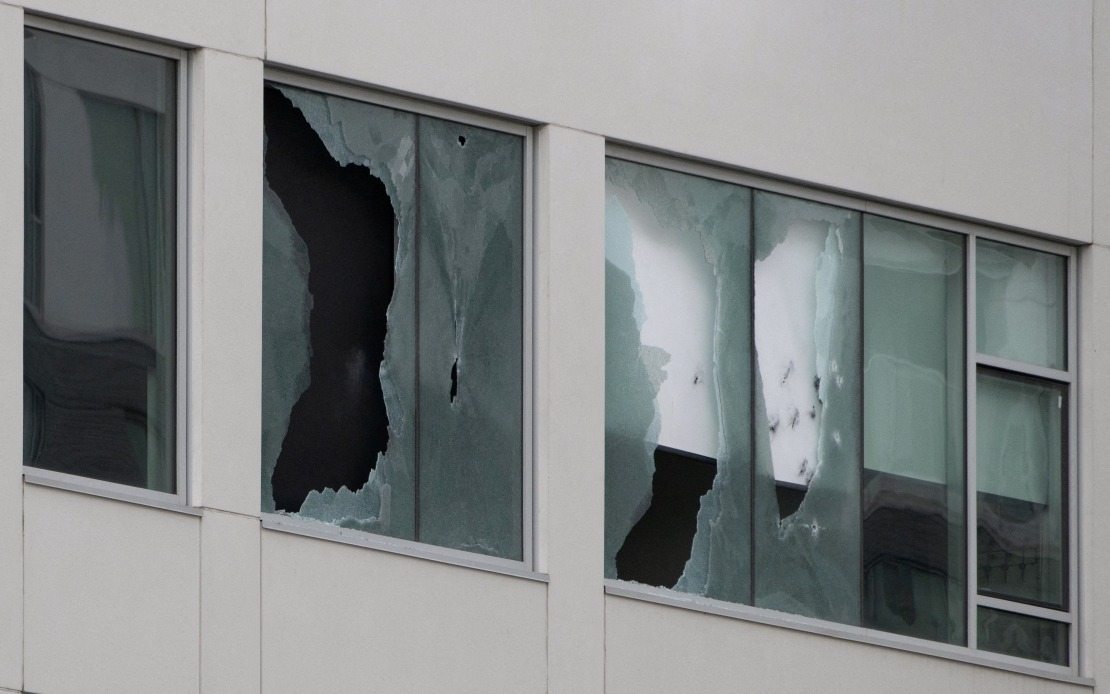
A deadly shooting rampage in Montreal on Monday claimed the lives of a serving police officer, a civilian resident, and the suspected gunman, marking one of the more serious violent incidents in the Canadian city in recent times. Montreal police confirmed the officer's death while on duty through a statement posted on social media platform X, expressing deep sadness over the loss. The incident unfolded in the Côte-des-Neiges neighbourhood, a densely populated residential area that became the focus of an emergency response involving multiple law enforcement agencies.
When officers arrived at the scene to respond to reports of an armed individual, they immediately came under fire from the suspect. According to Montreal police chief Fady Dagher, the exchange of gunfire resulted in the officer being fatally wounded, while two other people—including a second police officer—sustained injuries. The second injured officer was later reported to be out of immediate danger, though receiving medical treatment for wounds sustained during the confrontation.
Authorities moved swiftly to contain what they described as an "armed and dangerous suspect" situation, issuing urgent warnings to residents in the immediate vicinity. The public was instructed to remain indoors, lock doors, and avoid the affected neighbourhood entirely, according to broadcaster CBC. An emergency alert system was activated to disseminate these warnings quickly across the area, prompting residents to shelter in place while law enforcement coordinated their response.
The suspected gunman was ultimately neutralised during the police response, ending the immediate threat to public safety. Investigators determined that the individual was acting alone and had no connections to any broader criminal network or conspiracy. This conclusion was reached after a careful examination of the circumstances surrounding the incident and the suspect's background and motivations.
A critical element of the investigation involved ruling out any connection to terrorism or ideologically-driven mass violence. Security authorities specifically determined that the shooting did not appear to have been motivated by terrorist objectives or organised extremist activity. This finding was significant given the context of public safety concerns and the need to assess the nature of the threat posed by the incident.
However, media investigations into the suspect's background uncovered evidence suggesting a potential connection to incel ideology, a toxic online movement characterised by anti-feminist rhetoric and misogynistic worldviews. According to reports, the individual may have composed a manifesto containing language and sentiments consistent with this community, which views traditional relationships through an extremely distorted lens and has been linked to several violent incidents in North America over the past decade. The incel movement operates primarily through anonymous online forums where members share grievances against women and promote a worldview centred on rejection and resentment.
These media claims regarding the manifesto and ideological motivation had not been independently verified by Canadian security authorities at the time of reporting. Law enforcement agencies were continuing their investigation to establish the full extent of the suspect's online presence, communications, and any documented statements that might shed light on the motivations driving the violent act. Such verification is typically a time-consuming process requiring careful examination of digital evidence and expert analysis.
The incident highlights ongoing concerns within Canada regarding gun violence and the potential radicalisation of individuals through online communities promoting misogynistic ideology. While Canada maintains stricter gun control regulations than the United States, shootings involving motivated individuals remain a persistent challenge for law enforcement and public safety officials. The Montreal shooting adds to a troubling pattern of violence linked to incel ideology, which has motivated several high-profile attacks in recent years across North America.
For Malaysian and Southeast Asian readers, this incident underscores the borderless nature of online radicalisation and how extreme ideologies disseminate across continents through digital platforms. The incel movement, despite originating in North America, has attracted adherents globally, and similar rhetoric appears occasionally in Southeast Asian online spaces. The incident demonstrates how law enforcement agencies must adapt their approaches to address threats emanating from decentralised online communities rather than traditional structured organisations.
The emergency response and investigation procedures employed by Montreal police reflect international best practices in active shooter situations and homicide investigations. The rapid deployment of officers, the swift containment of the threat, and the subsequent careful investigative work represent professional law enforcement response to an unpredictable and dangerous situation. The fact that authorities were able to rule out terrorism and identify the likely ideological motivation relatively quickly reflects the sophistication of modern criminal investigation techniques.
As the investigation continues, Canadian authorities will likely examine the suspect's digital footprint, communications with other incel community members, and any warning signs that may have been missed by social media platforms or other online intermediaries. This examination may provide insights applicable to broader efforts to monitor and counter violent extremism in online spaces, concerns that extend well beyond Canada's borders.