Foreign Minister Datuk Seri Mohamad Hasan is set to represent Malaysia at an extraordinary gathering of the Organisation of Islamic Cooperation's Council of Foreign Ministers in Jeddah, where discussions will centre on the escalating situation affecting Palestine and the broader Middle Eastern conflict. The one-day session represents a critical juncture for the 57-member Islamic bloc to reassess collective strategy and reaffirm shared commitments to the Palestinian cause.
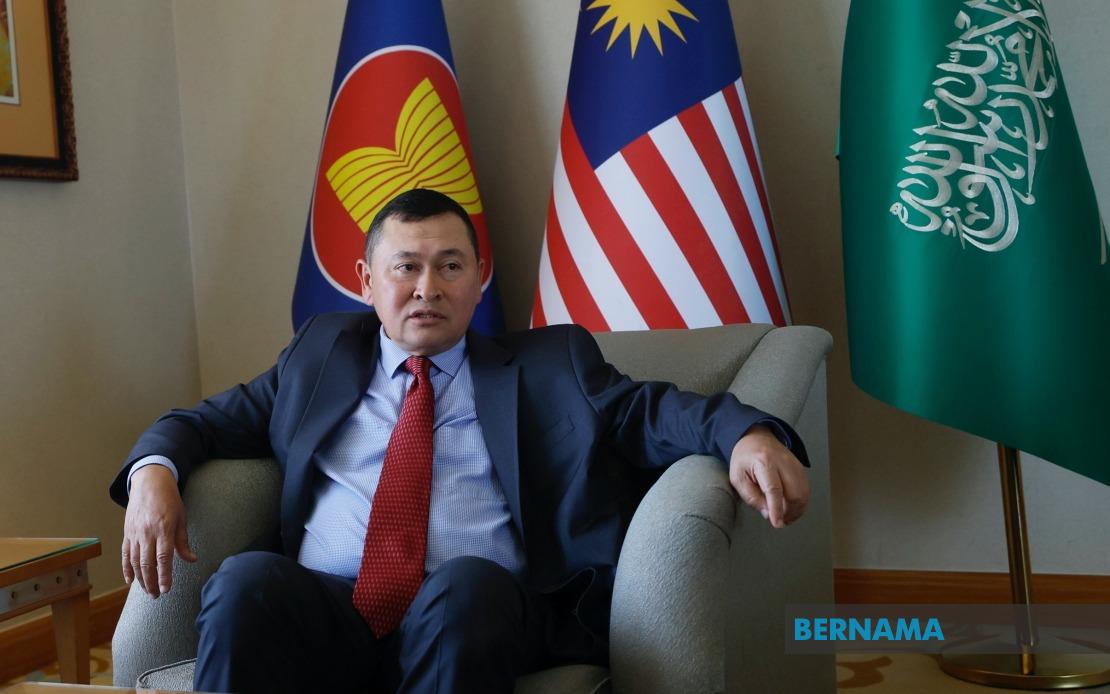
According to Malaysian Ambassador to Saudi Arabia Datuk Syed Bakri Syed Abdul Rahman, who also serves as Malaysia's Permanent Representative to the OIC, the convening of this extraordinary meeting follows an established pattern within the organisation of regular consultations aimed at maintaining unified messaging among member states on matters of paramount importance to the Muslim world. The timing and urgency of the gathering underscore the gravity with which OIC leadership views recent developments across Palestinian territories and the broader region.
During his address to the assembly, Mohamad will present Malaysia's National Statement, which will articulate the nation's consistent and principled stance on Palestinian sovereignty and self-determination. The statement will emphasise Malaysia's recognition of the Palestinian people's legitimate aspirations and their inherent right to establish a functioning independent state within the territorial boundaries established prior to the 1967 conflict, a framework that has remained central to Malaysian foreign policy pronouncements for decades.
Beyond the foundational question of Palestinian statehood, the Foreign Minister's intervention will address several interconnected dimensions of the conflict that have intensified regional tensions. These include Israel's sustained military campaigns in Gaza, the humanitarian catastrophe unfolding within the enclave, the increasingly precarious conditions facing Palestinians in the West Bank, and the continuous expansion of Israeli settlements in occupied territories—all matters that Malaysia views as violations of international law and sources of profound concern within the Muslim-majority world.
Ambassador Syed Bakri emphasised that Malaysia's active participation in this diplomatic forum serves a dual purpose: it provides an international platform through which Malaysia can communicate its firm opposition to Israeli actions while simultaneously demonstrating to domestic constituencies Malaysia's unwavering commitment to Palestinian liberation. This balance between international diplomacy and domestic political considerations remains a delicate equilibrium that Malaysian leaders must maintain when addressing Middle Eastern geopolitics.
The extraordinary meeting is expected to produce concrete outputs, including a formal resolution addressing the Palestinian question and the status of Al-Quds Al-Sharif. Such resolutions typically contain language condemning Israeli military operations against Palestinian civilians, reaffirming the illegality of settlement expansion, and calling for coordinated action among OIC member states to advance Palestinian interests through multilateral channels and diplomatic pressure on international bodies.
Malaysia has consistently positioned itself as an advocate for more robust and decisive action by the international community, particularly among OIC nations, to translate rhetorical support for Palestine into tangible policy measures capable of altering ground realities. Ambassador Syed Bakri reiterated Malaysia's commitment to sustaining humanitarian assistance efforts benefiting Palestinians affected by the conflict, emphasising that such aid represents not merely charity but an expression of Islamic solidarity and international responsibility.
The gathering also provides valuable opportunities for bilateral engagement on its periphery, with Mohamad expected to meet with foreign ministers from other nations attending the session. These side meetings will explore avenues for deepening bilateral cooperation across economic, commercial, and investment domains, demonstrating how Malaysia leverages multilateral diplomatic forums to advance broader national interests while maintaining focus on core regional concerns.
Secondary agenda items for the meeting include the election of a new OIC secretary-general, an administrative matter that nonetheless carries significant political weight as different member states advocate for candidates representing their strategic interests and vision for the organisation's future direction. Malaysia's position and voting preference on this matter will reflect broader calculations about regional influence and alignment with key OIC stakeholders.
For Malaysian observers and policymakers, this OIC gathering exemplifies the persistent complexity of balancing support for Muslim-majority Palestine with maintaining pragmatic international relations, trade partnerships, and security arrangements that increasingly involve non-Muslim powers. The forum allows Malaysia to articulate principled positions on matters central to Islamic identity while simultaneously pursuing practical diplomatic objectives that serve national interests.
The extraordinarily convened meeting reflects broader patterns within the Muslim world of heightened concern over Palestinian affairs and a desire among OIC leadership to demonstrate organisational relevance and cohesion on issues that resonate deeply across Islamic societies. Malaysia's active participation underscores the nation's view that sustained international attention and coordinated diplomatic pressure remain essential components of any pathway toward resolving the Palestinian question in accordance with international law and the aspirations of the Palestinian people themselves.

