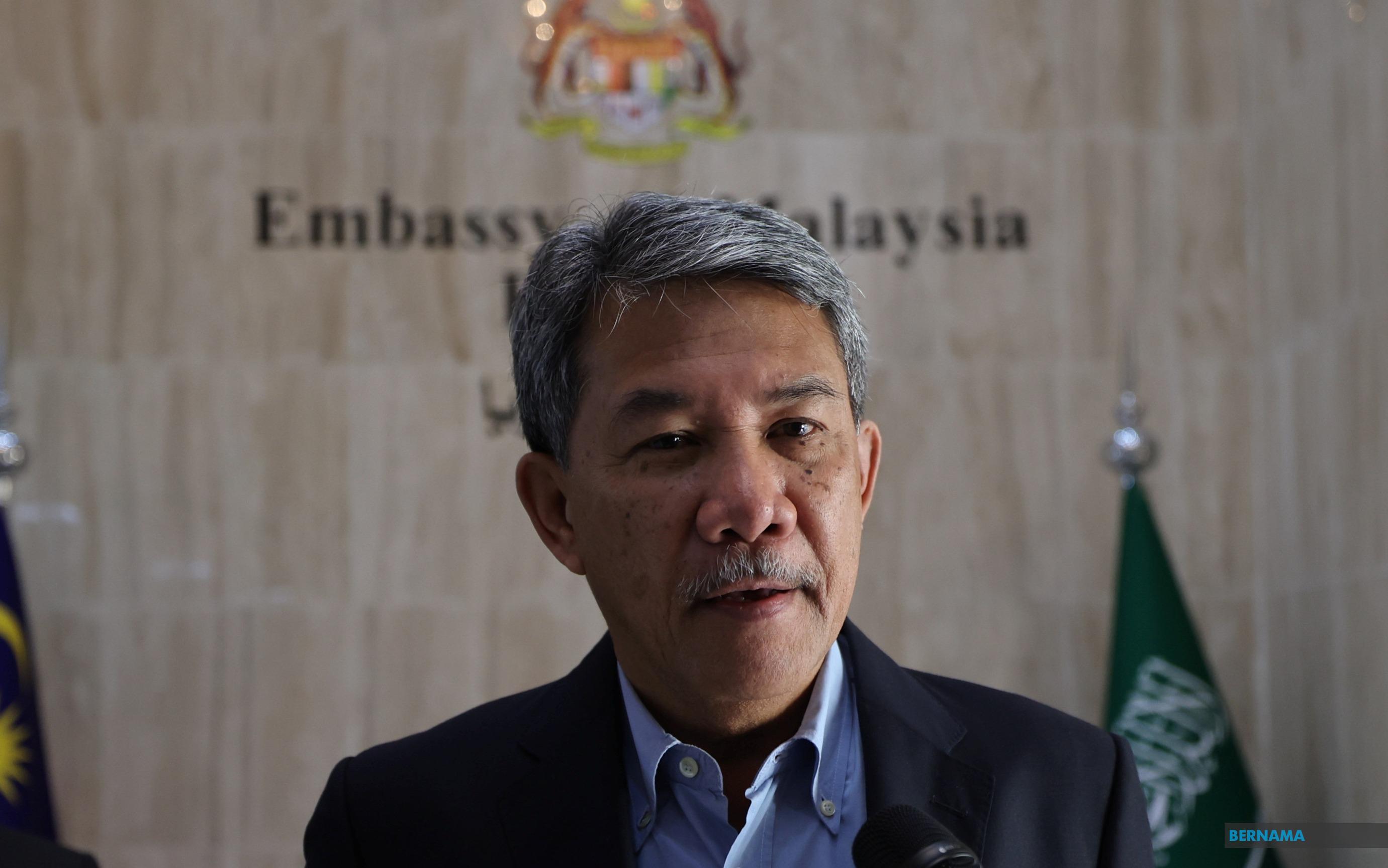
Foreign Minister Datuk Seri Mohamad Hasan is embarking on a three-day official visit to Brunei, arriving on August 20 and departing on August 22, signalling the continued importance both nations place on their relationship. The visit, announced by the Ministry of Foreign Affairs, centres on two significant bilateral forums that underscore the depth of Malaysia-Brunei cooperation at the highest political level.
The focal point of the visit is the 27th Malaysia-Brunei Annual Leaders' Consultation, scheduled for August 22, which serves as the premier dialogue mechanism between the two governments. This annual summit provides the platform for the heads of government to review the broader strategic relationship and set directions for future cooperation. The consultation format reflects the mature nature of the bilateral partnership, allowing for candid discussion of issues affecting both nations and the wider region.
Preceding the leaders' meeting by one day, Mohamad Hasan will co-chair the 27th Malaysia-Brunei Exchange of Letters Implementation Meeting with Brunei's Second Minister of Foreign Affairs, Datuk Seri Setia Erywan Mohd Yusof. This ministerial-level forum functions as the principal working mechanism through which both countries translate agreements into concrete action and address emerging challenges to the relationship.
The Exchange of Letters meetings hold particular significance as they serve as the primary bilateral instrument for resolving bilateral disputes and identifying areas where Malaysia and Brunei can collaborate. Through this channel, both nations systematically monitor implementation of commitments made during previous leaders' meetings and assess progress on shared initiatives. The agenda will encompass complex issues including maritime and land boundary matters, which have historically required careful diplomatic management between the two neighbours.
Economic cooperation features prominently in the bilateral agenda, particularly given the need to strengthen trade and investment ties between the two countries. Available trade data illustrates the scale of commercial activity, with Malaysia-Brunei bilateral trade reaching RM5.86 billion in 2025 and RM2.38 billion in the first half of 2026. While these figures demonstrate an established trading relationship, both governments recognise substantial untapped potential given geographic proximity and complementary economic structures, making economic cooperation a key discussion point during the ministerial meetings.
The boundary issues that will be discussed during the meetings reflect longstanding geopolitical complexities in the region. Both countries share land borders and maritime zones, and the systematic discussion of these matters through the Exchange of Letters mechanism demonstrates a commitment to peaceful, negotiated resolution rather than confrontation. For Malaysia, effective boundary management with Brunei serves as a model of regional stability and contributes to broader Southeast Asian peace and security.
From a Malaysian perspective, the visit reinforces the country's commitment to ASEAN solidarity and good-neighbourly relations. Brunei, as a small state with significant hydrocarbon resources, maintains strategic importance in regional geopolitics. For Brunei, engaging actively with Malaysia on bilateral issues reflects its pragmatic approach to managing relationships with larger neighbours while maintaining its independence and sovereignty.
The timing of these consultations reflects the regular cadence of Malaysia-Brunei engagement, ensuring that bilateral issues receive consistent high-level attention rather than being addressed episodically. This institutionalised approach to diplomacy has contributed to the relative absence of serious disputes between the two nations, contrasting with some maritime boundary tensions elsewhere in Southeast Asia.
The successful management of the Malaysia-Brunei relationship holds lessons for other pairs of nations in the region navigating complex shared geography and competing interests. The Exchange of Letters mechanism and Annual Leaders' Consultation framework demonstrate that structured dialogue, when conducted in good faith, can prevent minor disagreements from escalating into major crises.
Looking forward, the meetings will likely emphasise regional cooperation within ASEAN frameworks, particularly given Malaysia's current and Brunei's recent involvement in ASEAN leadership roles. Issues affecting the broader region, from climate change to supply chain resilience to counter-terrorism cooperation, invariably feature in bilateral discussions between Southeast Asian states, and the Malaysia-Brunei consultations serve as one venue for coordinating regional positions.
Mohamad Hasan's visit underscores Malaysia's diplomatic engagement across the region and the government's prioritisation of maintaining warm, functional relations with all neighbouring states. The visit also provides an opportunity for both nations to reaffirm their commitment to the 2021 ASEAN Regional Forum statement on maritime security and their shared interest in maintaining freedom of navigation in regional waters.
The composition of the delegation and the specific items scheduled for discussion will provide further indicators of bilateral priorities during this working visit. Both the substance of discussions and their outcomes will contribute to shaping Malaysia-Brunei cooperation during the remainder of 2026 and beyond.

