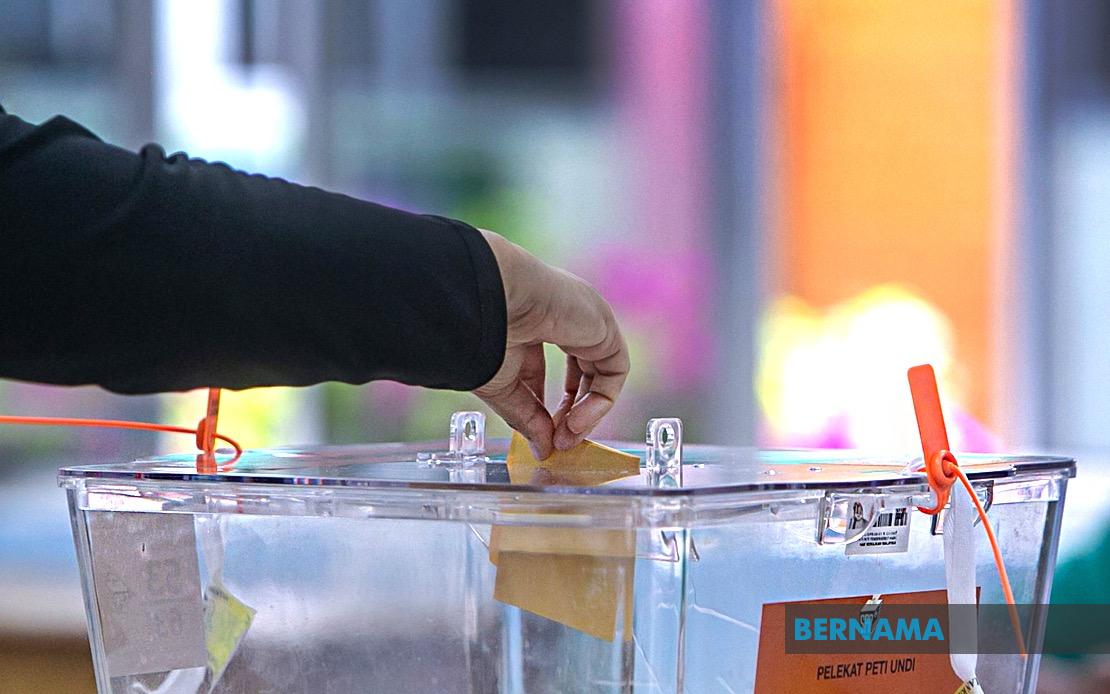
The Ministry of Youth and Sports (KBS) has issued a directive requiring all Youth and Sports Skills Training Institutions (ILKBS) to permit enrolled students to take special leave when they need to return to their home constituencies to participate in electoral processes. The policy covers voting in General Elections, State Elections, and by-elections, ensuring that young citizens pursuing vocational training do not have to sacrifice their democratic participation to continue their studies.
The ministry's Youth Skills Development Division (BPKB) has circulated notification letters to all ILKBS directors outlining the framework for implementing this special leave provision. The decision reflects a growing recognition within Malaysia's government that democratic participation and civic responsibility should not come at the expense of educational or vocational advancement. By formalizing this arrangement, the ministry seeks to remove practical barriers that might otherwise discourage young voters from casting their ballots.
Under the new framework, students wishing to take advantage of the special leave must submit formal applications to their respective ILKBS management offices. These applications will be evaluated based on several practical considerations, including the distance from the training institution to the student's designated polling centre, the reasonable time required for travel, and the capacity of the institution to adjust its training and learning schedules without significant disruption. This approach attempts to balance the institution's operational needs with students' electoral rights.
Final approval authority rests with individual ILKBS directors, allowing each institution to tailor the policy to its specific circumstances and student demographics. This decentralized approval process recognizes that different training institutions may face different scheduling challenges depending on their locations, program structures, and student populations. Directors maintain responsibility for maintaining accurate attendance records and ensuring that the leave arrangement does not compromise the integrity of the training programs or students' safety during their travels.
The ministry has emphasized that institutions should proactively inform all eligible student voters about this provision well in advance of any electoral event. Early notification enables students to plan their applications methodically and coordinate their travel arrangements to their polling areas more efficiently and systematically. This advance coordination reduces last-minute complications and allows both institutions and students to prepare comprehensively.
This policy initiative carries particular significance in Malaysia's context, where youth voter turnout has historically been a concern for electoral participation and democratic engagement. Young people enrolled in intensive skills training programs often come from outside their home districts and may face genuine obstacles in returning to vote. By removing institutional barriers to voting, the ministry recognizes that broad-based participation strengthens the legitimacy and representativeness of electoral outcomes across all demographic groups.
The measure also reflects broader policy objectives within KBS to foster civic consciousness among young Malaysians pursuing vocational qualifications. Skills training institutions serve as formative environments where young adults develop not only technical competencies but also social awareness and civic values. Institutionalizing voting leave sends a clear message that democratic participation is valued and expected within the national training ecosystem, not something students must choose against in pursuit of their educational goals.
For the ILKBS network specifically, this policy presents both an administrative challenge and an opportunity to demonstrate institutional commitment to national democratic processes. Institutions must develop clear procedures for receiving, evaluating, and approving leave applications while maintaining training program integrity. The coordination demands are real, particularly for institutions operating intensive programs or those located in regions where large numbers of students travel considerable distances to return home for voting.
The ministry's appeal to students emphasizes the connection between individual voting decisions and collective national development. By framing voting as a fundamental responsibility of citizenship and a mechanism through which young people contribute to strengthening democracy, KBS positions electoral participation as integral to the broader educational mission of skills training. This framing potentially influences how students view their role in the democratic process and their contribution to Malaysia's ongoing development trajectory.
The practical implications of this policy extend beyond ILKBS students themselves. Other educational institutions and employers may face pressure to adopt similar accommodations, gradually establishing voting leave as a standard feature of Malaysia's workplace and educational culture. As electoral processes occur at irregular intervals and at different governmental levels, the flexibility built into this policy allows institutions to respond to various electoral scenarios without requiring separate policy adjustments each time an election is called.
Implementation success will likely depend on institutional responsiveness and clear communication between ministry officials, ILKBS directors, and students. Institutions will need to establish transparent procedures for leave applications and ensure that students understand both their rights and their responsibilities under the new arrangement. Similarly, students must recognize that access to voting leave is contingent on responsible application procedures and realistic travel plans.
Looking forward, this policy may serve as a model for other government training and educational institutions considering how to facilitate student voter participation. As Malaysia continues to develop its democratic institutions and seeks to deepen civic engagement across all population segments, removing institutional obstacles to voting represents a practical step toward more inclusive electoral processes. The emphasis on advance notification and systematic coordination suggests that the ministry views this not merely as a one-off accommodation but as an ongoing institutional practice.

