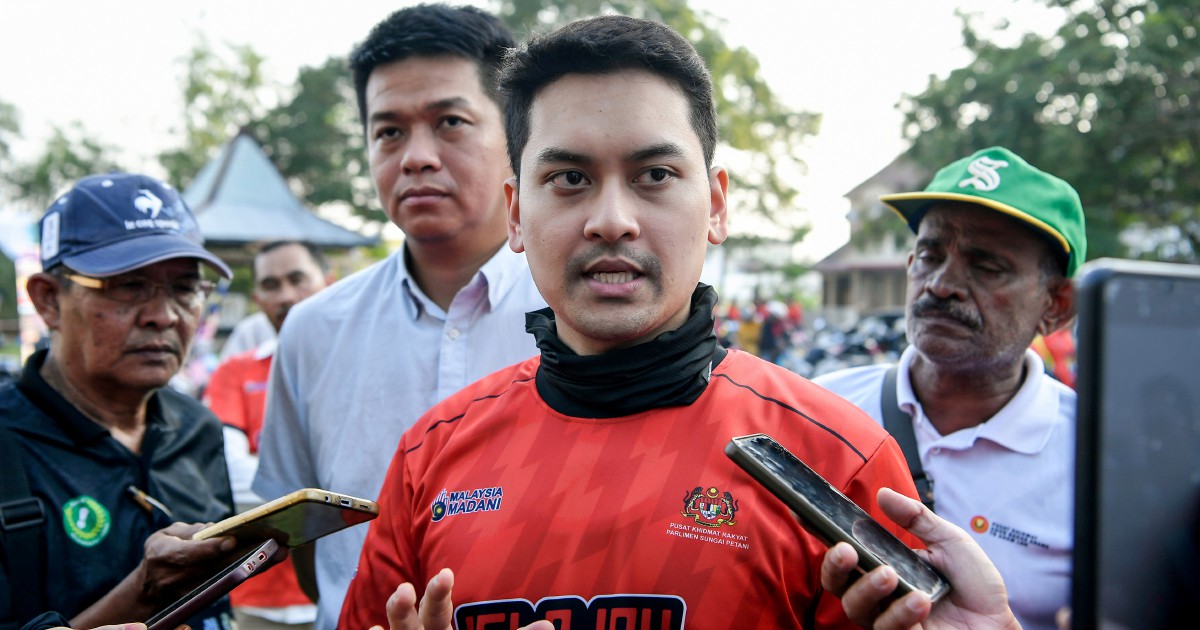
Youth and Sports Minister Dr Mohammed Taufiq Johari has initiated calls for a rigorous and exhaustive investigation into the circumstances surrounding the death of an 11-year-old girl in Alor Star, who reportedly suffered a fatal heart condition while participating in a sporting activity at school. The case has raised serious questions about duty of care standards within educational institutions and whether adequate safeguards exist to protect children with known or undiagnosed cardiovascular conditions during physical activities.
The incident represents a troubling intersection of school safety protocols, parental communication, and the pastoral responsibilities educators shoulder when directing children to engage in strenuous physical exertion. The allegation that a teacher instructed the child to participate has prompted scrutiny over whether appropriate medical clearance procedures were followed and whether staff possessed sufficient information about the student's health status before assigning participation in the activity.
For Malaysian parents and educators, this case underscores the critical importance of comprehensive health screening systems before children undertake demanding physical programmes. Schools nationwide should be examining their procedures for identifying students with pre-existing cardiac conditions or other health vulnerabilities that might make them unsuitable for certain activities without medical supervision or modified participation protocols.
The minister's intervention signals the government's recognition that such incidents demand more than standard administrative responses. A thorough probe should encompass examination of the school's health declaration forms, whether parents were given opportunities to disclose medical information, the qualifications and training of supervising staff, and whether any warning signs or symptoms were missed or dismissed. The investigation must also establish whether the activity itself was conducted in accordance with safety guidelines appropriate for the age group involved.
This development carries particular resonance across Southeast Asia, where school sporting activities remain common yet regulatory frameworks governing supervision, emergency response capabilities, and risk assessment vary significantly between institutions. Malaysia's approach to this case may influence how regional education systems approach comparable incidents and whether international best practices regarding cardiovascular screening in youth sports become more widely adopted.
The broader context of school safety cannot be overlooked. Teachers and administrators bear responsibility for implementing institutional safeguards, yet they often lack specialized medical training to identify at-risk children. Many schools rely on parents to volunteer information about health conditions, a system that depends entirely on parental awareness and willingness to disclose. Some children suffer from undiagnosed cardiac conditions—sudden cardiac death in apparently healthy youth remains a recognised medical phenomenon—yet schools typically operate without the diagnostic tools to identify such vulnerabilities.
The minister's demand for comprehensive investigation likely encompasses reviewing whether the school maintained current emergency medical response protocols and whether trained personnel capable of administering cardiopulmonary resuscitation were immediately available. Response time and the quality of emergency intervention can significantly determine outcomes in cardiac events among children, making it crucial that schools maintain not only proper equipment but also adequately trained staff positioned where sporting activities occur.
Further examination should address training standards for school staff regarding recognition of cardiac distress symptoms. Teachers supervising physical activities should possess baseline competency in identifying signs of cardiovascular compromise, including unusual shortness of breath, chest discomfort, dizziness, or collapse. Recognition and immediate intervention can prove lifesaving, yet such training remains inconsistently implemented across Malaysian schools.
The investigation will likely also evaluate whether the school held any prior information about the child's health status and how that information was managed and communicated among relevant staff. In institutional settings, information silos can develop where critical medical details known to school administration fail to reach teachers responsible for supervising activities. Establishing clear protocols for health information flow represents an essential safeguard that many schools have yet to formalize adequately.
Parents across Malaysia will be watching this inquiry closely, as it addresses fundamental questions about whether their children remain adequately protected during school hours. The incident reinforces the importance of parents maintaining updated communication with schools about any health concerns and requesting written confirmation that such information has been received and distributed to relevant personnel.
The minister's commitment to a thorough investigation suggests that Malaysian authorities recognise this case extends beyond a single tragedy to represent a potential systemic issue requiring broader examination of how schools nationwide approach child health and safety during physical activities. The findings will likely generate recommendations affecting policy across educational institutions and potentially influence how sporting activities are structured, supervised, and medically managed in schools throughout the country.
This incident serves as a sobering reminder that apparently routine school activities carry inherent risks, particularly for vulnerable children. Moving forward, a comprehensive response should not only investigate this specific case but also catalyse meaningful improvements to how Malaysian schools identify risk, implement safeguards, and respond to medical emergencies involving young people.

