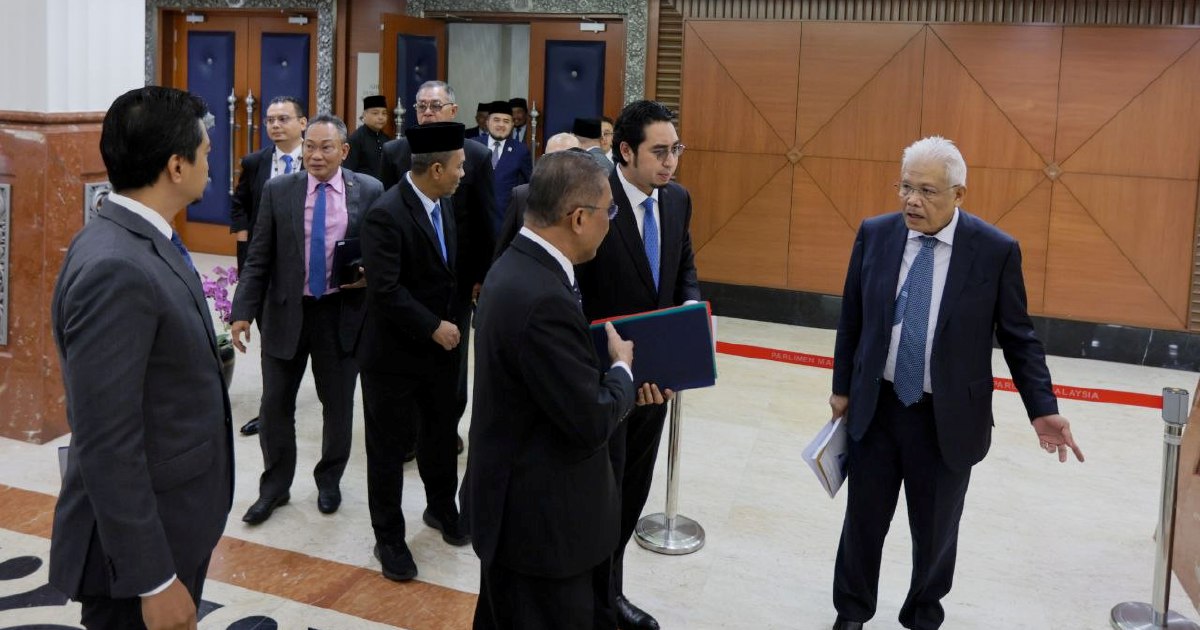
Dr Zulkifli Hasan, the Minister in the Prime Minister's Department responsible for Religious Affairs, has extended an invitation to opposition members of Parliament to rejoin proceedings in the Dewan Rakyat and participate in substantive discussion concerning the outcomes of the Royal Commission of Inquiry into Tabung Haji.
The call represents an attempt to broaden parliamentary engagement on an issue that affects millions of Malaysian pilgrims and their families. Tabung Haji, the sovereign fund that manages savings for Muslims undertaking the Hajj pilgrimage, has faced scrutiny following various management and operational questions that prompted the establishment of the RCI.
The Royal Commission's investigation was initiated to examine governance structures, financial management practices, and administrative procedures within the institution. Its findings carry significant implications for the future direction of how the pilgrimage savings scheme operates and how public trust in the fund might be restored.
Parliamentary debate on the RCI report would provide a formal platform for detailed examination of the commission's recommendations and findings, allowing legislators from both government and opposition benches to raise questions, propose solutions, and hold relevant authorities accountable. Such engagement is typically viewed as essential to comprehensive legislative scrutiny of matters affecting public interest.
For Malaysian readers, the Tabung Haji debate touches directly on personal finances and religious practice. Millions of Malaysians have entrusted their savings to the fund as part of their commitment to fulfilling one of Islam's five pillars. Any mismanagement or governance failures within the institution directly impacts their life savings and retirement planning. The RCI's work represents an effort to protect these interests and ensure the fund operates with transparency and efficiency.
The opposition's participation would strengthen the credibility of any parliamentary conclusions or decisions flowing from the debate. Legislative bodies derive their authority partly from broad representation across political spectrum, and decisions made with limited opposition input may face subsequent challenges or be perceived as lacking legitimacy in certain quarters.
Regionally, Malaysia's handling of the Tabung Haji matter carries implications for how other Southeast Asian nations manage sovereign funds and religious endowments. The scrutiny demonstrated through RCI investigations and parliamentary debate serves as an example of institutional accountability and checks on executive power, factors that strengthen investor and citizen confidence in financial systems throughout the region.
The minister's invitation also reflects broader recognition that sustainable policy solutions often emerge through cross-party dialogue rather than adversarial positioning. Opposition parties bring different analytical frameworks and constituency concerns to legislative discussions, enabling more comprehensive problem-solving. Their absence from debates diminishes the range of perspectives brought to bear on complex governance issues.
Tabung Haji's significance extends beyond individual savings accounts. The institution manages billions of ringgit in assets and plays a crucial role in Malaysia's Islamic finance ecosystem. Its credibility affects not only pilgrims but also the broader confidence in Malaysia's Islamic banking and finance sector, which represents a significant component of the country's financial services industry.
The RCI process itself represents a substantial investment of time and resources by authorities to examine institutional practices. Its findings remain incomplete without proper parliamentary consideration. A full debate in the Dewan Rakyat would ensure that the commission's work translates into actionable policy change and legislative reform where necessary.
Engagement on the Tabung Haji RCI report also provides opportunity for the opposition to demonstrate constructive approaches to governance issues affecting the public good. Legislative bodies function most effectively when both government and opposition bench members recognize shared interest in protecting public institutions and citizens' welfare, even while disagreeing on other matters.
The effectiveness of any reforms emerging from the RCI findings will depend partly on broad political consensus around their necessity and implementation. Opposition involvement in parliamentary debate helps build such consensus, making subsequent policy changes more durable and less subject to reversal following changes in government.

