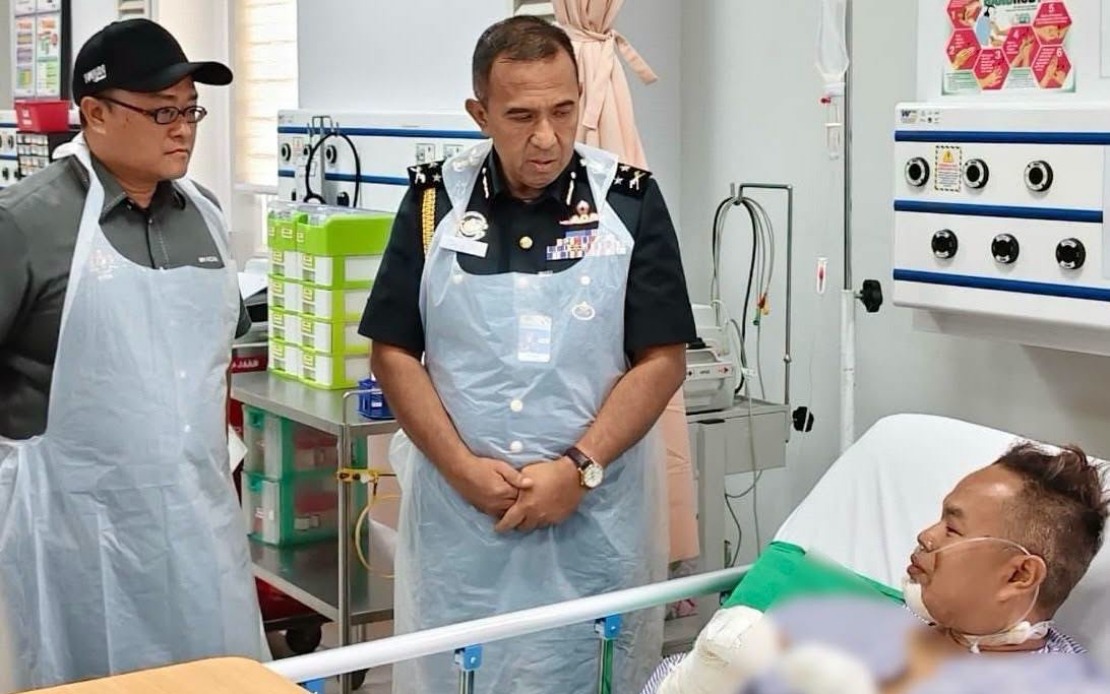
Two enforcement officers from the Domestic Trade and Cost of Living Ministry were injured on duty in Selangor while participating in Ops Tiris 4.0, a nationwide campaign designed to prevent the unlawful diversion of subsidised liquefied petroleum gas through decanting operations. The incident has prompted reflection from the ministry leadership on the occupational hazards faced by frontline enforcement personnel tasked with protecting the public interest.
Assistant Enforcement Officer Mohammad Fauzi Baharuddin sustained more significant injuries and remains hospitalised under medical care, according to statements from Domestic Trade and Cost of Living Minister Datuk Armizan Mohd Ali. His colleague, Enforcement Assistant R. Yoghanath, experienced minor injuries and was discharged following treatment, allowing him to return to his home to recuperate.
Ops Tiris 4.0 represents a critical government initiative addressing the persistent problem of LPG subsidy leakage, which has long been a concern for policymakers in Malaysia. The operation targets criminal networks engaged in decanting—the illegal practice of transferring subsidised domestic cooking gas into larger industrial containers for sale at unsubsidised prices, creating significant financial losses for the state whilst undermining the subsidy scheme intended for ordinary households.
Minister Armizan released a statement through social media expressing his personal concern for both injured officers and their families. He conveyed his hopes for Mohammad Fauzi's full recovery and acknowledged the emotional toll such incidents place on officers' immediate relatives, recognising the anxiety that accompanies serious workplace injuries. To Yoghanath, he extended wishes for continued good health and swift recovery from his minor injuries.
The minister's response underscores a broader government acknowledgment of the real dangers inherent in enforcement work. Every raid and operation conducted by KPDN personnel involves calculated risks, with officers regularly confronting unpredictable field conditions whilst separated from their families. These enforcement activities demand a willingness to prioritise public welfare and national interest over personal safety, a sacrifice that frequently goes unrecognised in public discourse.
This incident illuminates the difficult reality facing Malaysia's enforcement agencies tasked with combating subsidy fraud. The LPG decanting problem has proven remarkably resilient despite repeated crackdowns, suggesting that enforcement personnel regularly encounter increasingly organised criminal operations willing to use intimidation or violence to protect their illicit profits. The injuries sustained during this latest operation reflect the operational reality that enforcement work remains inherently hazardous, particularly when targeting well-entrenched smuggling networks.
Armizan's public recognition of these risks serves an important function beyond mere acknowledgment of the incident. By highlighting the personal sacrifice made by enforcement personnel, the minister signals government commitment to supporting frontline officers and validating their contributions to national security and economic protection. This symbolic recognition, whilst not preventing future injuries, reinforces the institutional value placed on enforcement work within government structures.
The broader context of Ops Tiris 4.0 extends beyond simple criminal enforcement. The operation addresses a fundamental question of economic fairness and fiscal responsibility, as LPG subsidy leakage diverts limited government resources away from their intended beneficiaries. Subsidised cooking gas is designed to assist lower-income households manage household expenses, and criminal decanting operations undermine this objective by allowing bulk purchasers to profit from state subsidies whilst ordinary households absorb higher prices through market mechanisms.
Minister Armizan concluded his statement with a collective expression of gratitude to all KPDN enforcement personnel and reinforced government prayers for their continued safety during field operations. This acknowledgment, delivered publicly and directly from ministry leadership, carries particular weight given the hazardous nature of enforcement work in Malaysia's ongoing struggle against subsidy fraud and related criminal activities. The statement reflects an institutional commitment to recognising the contributions made by enforcement personnel operating in dangerous circumstances.

