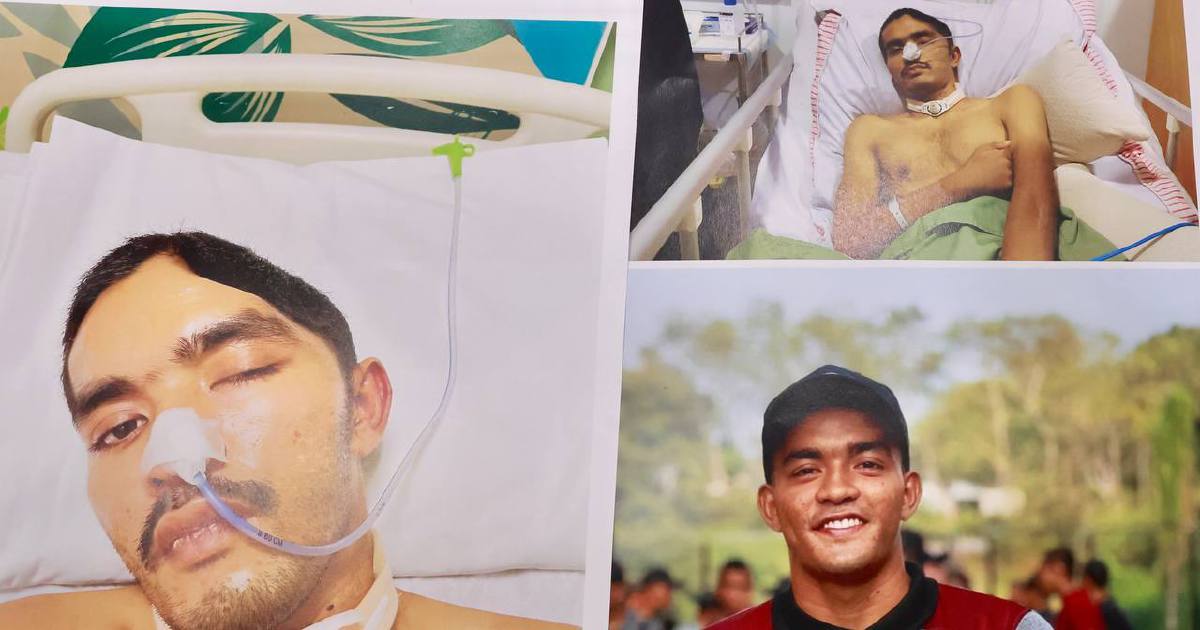
The Malaysian Army has concluded its internal investigation into an incident that resulted in severe injuries to a commando at one of its Johor-based facilities earlier this year, clearing the path for disciplinary measures against those determined to bear responsibility. The completion of the probe marks a significant step in the military's accountability process, with formal dismissal proceedings now moving forward against personnel identified as culpable in the incident that occurred in March.
This development arrives amid broader scrutiny on operational safety standards within military institutions across the region. Incidents resulting in personnel injuries at training camps have long been a sensitive matter for defence establishments, particularly given the inherent risks associated with commando operations and intensive physical training regimes. The nature of commando training—which emphasises extreme physical conditioning and simulated combat scenarios—means that accidents and injuries do occur, yet they typically trigger internal reviews to identify systemic weaknesses or individual negligence.
The decision to proceed with dismissals reflects the military hierarchy's determination to enforce accountability within its ranks. Such personnel actions carry weight beyond the immediate parties involved, signalling to the broader officer and enlisted corps that breaches of duty or safety protocols will result in career-ending consequences. The symbolic importance of these disciplinary steps cannot be understated; they demonstrate that the institution is willing to take decisive action when internal failures contribute to personnel harm.
From an institutional perspective, the completion of the investigation within a defined timeframe suggests the military has developed systematic procedures for handling such matters. This stands in contrast to cases elsewhere in Southeast Asia where similar incidents have resulted in prolonged inquiries or perceived procedural delays. The Malaysian armed forces' relatively expedited conclusion to this probe may indicate improved investigation protocols or increased institutional pressure to demonstrate transparency and thoroughness.
The implications for military training standards across the country warrant consideration. Safety reviews frequently emanating from such incidents can lead to revised training protocols, enhanced medical oversight, or modifications to the intensity and structure of commando preparation programmes. These adjustments, while necessary from an accountability standpoint, also influence recruitment and retention patterns, as personnel and their families consider the perceived safety records of various military units and training facilities.
The broader context of this incident relates to Malaysia's significant investment in commando capabilities and special operations forces. These units operate under demanding schedules and are subject to rigorous conditioning requirements that occasionally exceed conventional military training parameters. Balancing operational readiness with personnel safety represents an ongoing challenge for defence planners, and incidents such as this one invariably prompt recalibration of that equilibrium.
Regionally, incidents at military installations attract keen attention from observers monitoring governance and institutional accountability standards. Southeast Asian militaries face consistent pressure to demonstrate that internal disciplinary mechanisms function effectively and that politically connected personnel are not shielded from consequences. The Malaysian Army's willingness to pursue dismissals signals adherence to merit-based accountability rather than rank-based protection, an important distinction in institutional health.
The injury to the commando, while addressed through this investigation, represents not merely an individual misfortune but a potential indicator of systemic deficiencies. Whether the incident stemmed from inadequate supervision, faulty equipment, insufficient medical resources at the facility, or individual negligence will shape the nature of preventive measures implemented going forward. The conclusions drawn during the investigation will likely influence how comparable risks are managed at other military installations.
Personnel affected by the dismissals face significant career disruptions. Military service, particularly for those pursuing careers in specialised commando units, represents a substantial professional commitment. Termination proceedings carry not only immediate employment consequences but also implications for military pension entitlements and post-service employment prospects, making them serious disciplinary outcomes within military contexts. The institution's willingness to apply such sanctions suggests the investigating team identified conduct or negligence sufficiently grave to justify such severance.
Looking forward, the Malaysian Defence Ministry may employ this incident as a case study in training programmes aimed at improving supervisory standards and safety culture across military institutions. The investigation's findings, while confidential in certain respects, typically inform broader policy adjustments intended to prevent recurrence. Enhanced equipment inspections, modified training protocols, or improved medical response procedures may emerge as indirect consequences of this incident's investigation and disciplinary resolution.
The completion of the investigation and commencement of dismissal proceedings represent a transition from internal review to formal accountability. This progression underscores the military's structural capacity to investigate its own serious incidents and impose meaningful consequences, a capability that distinguishes well-functioning defence institutions from those where accountability mechanisms remain weak or captured by political considerations. The outcome will resonate beyond the immediate parties involved, influencing institutional culture and perceptions of fair treatment throughout the armed services.

