Malaysia's golf community is taking concrete steps to elevate its competitive standing ahead of hosting the 2027 SEA Games, with the Malaysian Golf Association formally requesting government backing to establish a full-time national coach position. The decision, revealed during discussions with the Ministry of Youth and Sports, reflects the association's determination to build a more systematic and professional approach to athlete development over the coming months. With the biennial Games scheduled for September 2027, the timing of this initiative underscores how seriously the MGA is treating the opportunity to perform at home on the regional stage.
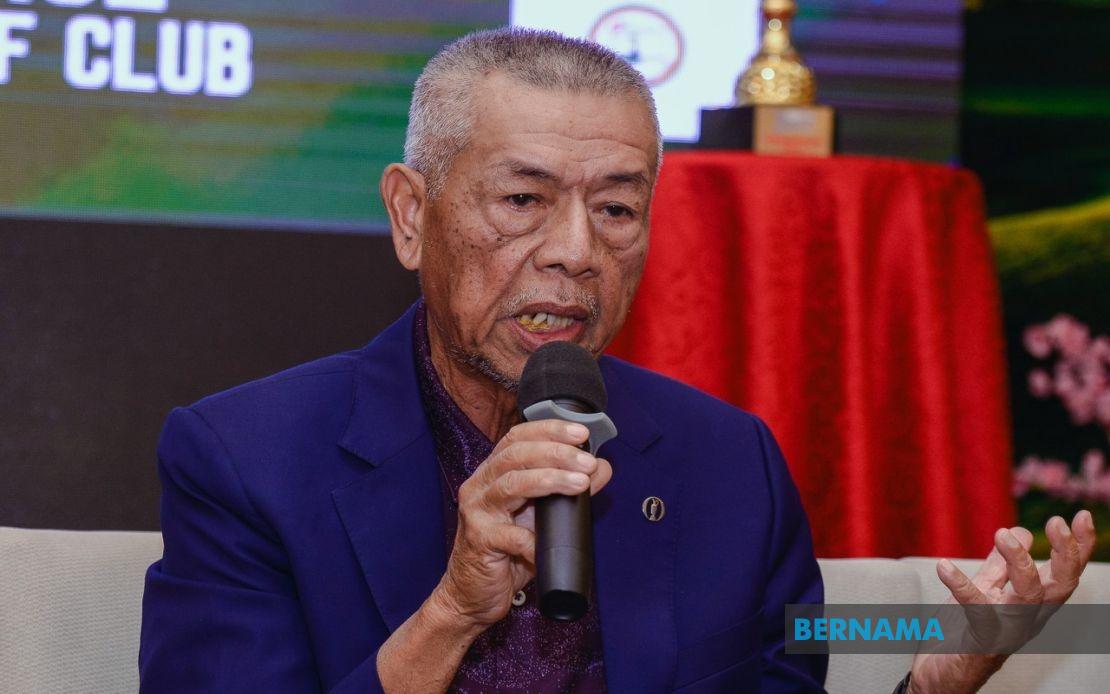
Tan Sri Mohd Anwar Mohd Nor, the MGA's president, outlined the organisation's strategic priorities during a press conference at The Mines Resort & Golf Club in Serdang, where he was overseeing the launch of the 100PLUS MGA National Junior Development Programme Junior Series 2026. He explained that the proposal for a dedicated coaching position emerged from recent consultations with Datuk Rahimi Ismail, the secretary-general of the Ministry of Youth and Sports, highlighting how institutional partnerships are essential to realising the association's ambitions. The move signals recognition that sustained, expert guidance from a high-calibre professional will be necessary to maximise the national team's potential.
The MGA's push for a permanent coaching appointment addresses a structural gap that has likely constrained the sport's development pathways in Malaysia. By securing dedicated coaching resources, the association aims to create a more coherent progression system that connects junior development, senior training, and international competition. This hierarchical approach mirrors successful models employed across other sports in the region and reflects evolving standards for how national bodies manage human capital in pursuit of sporting excellence.
Mohd Anwar emphasised that the association is actively sourcing individuals with proven international experience and technical credentials to fill this role, recognising that the quality of coaching directly influences athlete performance outcomes. The recruitment strategy underscores the competitive nature of regional golf, where teams from Thailand, Vietnam, and Indonesia have invested significantly in foreign expertise. Malaysia's willingness to do likewise suggests a realistic assessment of what is required to remain competitive at the highest levels of Southeast Asian sport.
Beyond the coaching position, the MGA is developing a comprehensive suite of preparation initiatives designed to optimise the national team's readiness before September 2027. These measures extend across multiple dimensions—from identifying suitable training venues and environments to coordinating with government agencies that can provide logistical and financial support. This multi-faceted approach demonstrates how modern sporting organisations must engage with complex bureaucratic and resource-allocation frameworks to achieve their objectives.
A particularly notable element of the preparation strategy involves potential collaboration with Sarawak, where Mohd Anwar has already initiated discussions with the state's Minister of Youth, Sports and Entrepreneur Development, Datuk Seri Abdul Karim Rahman Hamzah. The prospect of conducting training camps in Sarawak reflects a deliberate geographic diversification of preparation environments, potentially allowing the national team to experience different course conditions and weather patterns. Such venue selection is rarely arbitrary in competitive golf; different regional characteristics can sharpen specific technical skills and mental resilience required for varied playing conditions.
Cooperation with the National Sports Council represents another critical pillar of the MGA's strategy, as these institutional linkages facilitate access to broader support systems, funding mechanisms, and strategic alignment with national sporting priorities. When golf is positioned within the wider governmental framework for sports development, it gains leverage to secure resources and attention that might otherwise be dispersed across multiple competing demands. This institutional integration reflects a maturation in how Malaysian sports associations navigate the relationship between commercial viability and state support.
The launch of the 100PLUS MGA National Junior Development Programme Junior Series 2026 during this announcement is strategically significant, as it signals commitment to identifying and nurturing emerging talent pipelines. Junior development programmes serve as both competitive arenas and talent-spotting mechanisms, allowing coaches to assess potential representatives for future national teams. By synchronising this initiative with preparations for 2027, the MGA is effectively building a two-tier system that sustains competitive performance while simultaneously investing in long-term organisational strength.
For Malaysian readers and regional observers, this development carries broader implications beyond golf itself. It exemplifies how smaller sporting nations prepare to capitalise on hosting opportunities, and reflects the investment philosophies that distinguish ambitious sports programmes from stagnant ones. The MGA's proactive engagement with government ministries and state authorities demonstrates awareness that individual sport excellence increasingly depends on institutional infrastructure, systematic coaching, and coordinated resource deployment rather than isolated talent alone.
The 2027 SEA Games represent a unique convergence of opportunity and responsibility for Malaysian golf. Hosting provides home advantage, reduced travel costs, and domestic crowd support—advantages that dissipate if the national team's competitive preparation lags behind regional rivals. By moving now to secure permanent coaching resources and establishing structured development pathways, the MGA is attempting to translate home advantage into tangible medal returns. The success or failure of these initiatives will serve as a barometer for whether Malaysian sports organisations can effectively convert strategic ambition into sustained competitive performance on the regional stage.