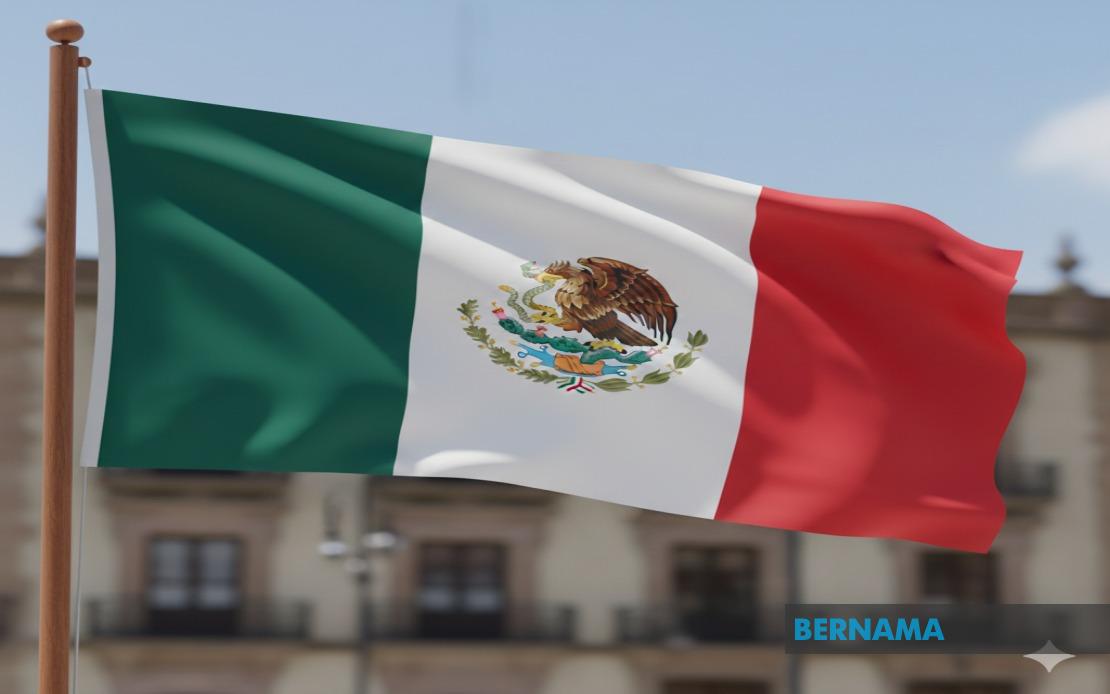
Mexico is taking its grievances over the deaths of Mexican nationals in connection with US immigration enforcement to the international arena, with Foreign Minister Roberto Velasco formally requesting intervention from the UN High Commissioner for Human Rights. The move marks a significant shift in Mexico's approach to a recurring source of tension between the two countries, moving beyond traditional diplomatic channels to seek accountability through multilateral mechanisms.
Velasco's letter to UN High Commissioner Volker Türk seeks a comprehensive examination of the incidents in question, with Mexico requesting that the international body obtain detailed information directly from US authorities. The Mexican government is also asking the High Commissioner to determine whether the deaths and circumstances surrounding them align with the United States' binding commitments under international human rights law. Beyond investigation, Mexico wants the UN body to issue recommendations and, if warranted, refer the cases to specialized UN Human Rights Council procedures that can apply targeted pressure on individual nations.
The scope of the Mexican government's concern is substantial. According to official figures, three Mexican citizens have lost their lives during active Immigration and Customs Enforcement operations, while fourteen others have died while in deportation detention facilities under US custody. These numbers underscore a pattern that Mexican policymakers view as systematic enough to warrant international scrutiny. The deaths have sparked broader questions about the treatment of foreign nationals within the American immigration detention and enforcement system.
Mexico's pivot toward legal remedies reflects heightened frustration with the status quo. President Claudia Sheinbaum declared last week that Mexico would no longer restrict itself to diplomatic protests, signalling instead that the government would pursue formal legal channels against responsible officials. This represents a notable hardening of Mexico's position and suggests that behind-the-scenes negotiations have not yielded satisfactory results. The government, working in coordination with Mexico's Attorney General's Office, is preparing a comprehensive complaint destined for the US Justice Department. This document will be formally transmitted through the Mexican embassy in Washington, ensuring it carries the weight of official state action.
Parallel to federal-level action, Mexico's diplomatic network is mobilizing at the local level. Mexican embassies and consulates across the United States have begun filing formal complaints with state-level prosecutors in jurisdictions where deaths occurred. This multi-layered approach creates pressure at various levels of the American legal system, from federal authorities down to state officials who may prove more receptive to Mexican concerns. The strategy reflects recognition that accountability for law enforcement actions often rests with state and local institutions rather than federal agencies alone.
Mexico has also initiated what amounts to a preliminary legal warning system. The first cease-and-desist letter was dispatched to the Adelanto detention facility in California, a privately-operated immigration jail that has drawn repeated criticism from human rights monitors. Such letters represent a formal step in the litigation process and signal Mexico's intent to pursue civil lawsuits against detention centres and agencies involved in the deaths of its citizens. The Adelanto facility, located in the Mojave Desert region, has previously faced allegations of inadequate medical care and dangerous conditions.
The most recent death that triggered this escalation involves Lorenzo Salgado Araujo, a Mexican national who was fatally shot on July 7 during an ICE operation in Houston, Texas. Salgado Araujo, who had established deep roots in the Houston area over more than thirty years and operated a construction business, became the focal point of both Mexican diplomatic protests and calls for independent investigation. According to the US Department of Homeland Security's account, Salgado Araujo disobeyed lawful orders from ICE officers, rammed a law enforcement vehicle with his own car, and attempted to strike an officer with the vehicle before being shot by an ICE officer.
This official narrative, however, faces significant contestation. Relatives of the deceased, civil rights advocacy organizations, and Democratic members of Congress are demanding that an independent investigation be conducted into the circumstances surrounding his death. Their skepticism suggests concerns about whether the departmental account provides the complete picture, particularly regarding the proportionality of the lethal response and the tactical decisions that preceded it. Such disagreement over facts and culpability is precisely the kind of dispute that independent international review is intended to address.
For Malaysia and other Southeast Asian nations, Mexico's strategy offers lessons in how middle powers can leverage UN mechanisms to challenge powerful countries' domestic practices. The approach respects sovereignty while establishing that international human rights standards apply universally. Mexico's willingness to pursue multiple avenues simultaneously—diplomatic channels, legal action, and international pressure—demonstrates that countries dissatisfied with responses from bilateral relationships need not remain passive. The precedent may influence how other nations approach similar grievances involving their citizens abroad, particularly regarding law enforcement conduct in wealthy nations.
The escalation also reflects broader shifts in how countries view immigration enforcement as a human rights issue. Mexico's actions implicitly reject the notion that immigration control is purely a domestic matter exempt from international scrutiny. By framing the deaths within a human rights context rather than purely as immigration disputes, Mexico has elevated the conversation and created space for the UN to intervene in ways that would be difficult if the issue were characterized solely as a law enforcement matter.
The timeline and intensity of Mexico's response suggest considerable political pressure at home. President Sheinbaum's public statements indicate this is not merely bureaucratic routine but a priority for her administration. Mexican civil society has clearly mobilized around these cases, and failure to pursue justice vigorously could undermine government credibility on human rights issues domestically. The international legal campaign thus serves both the families of the deceased and the political interests of the Mexican state itself.

