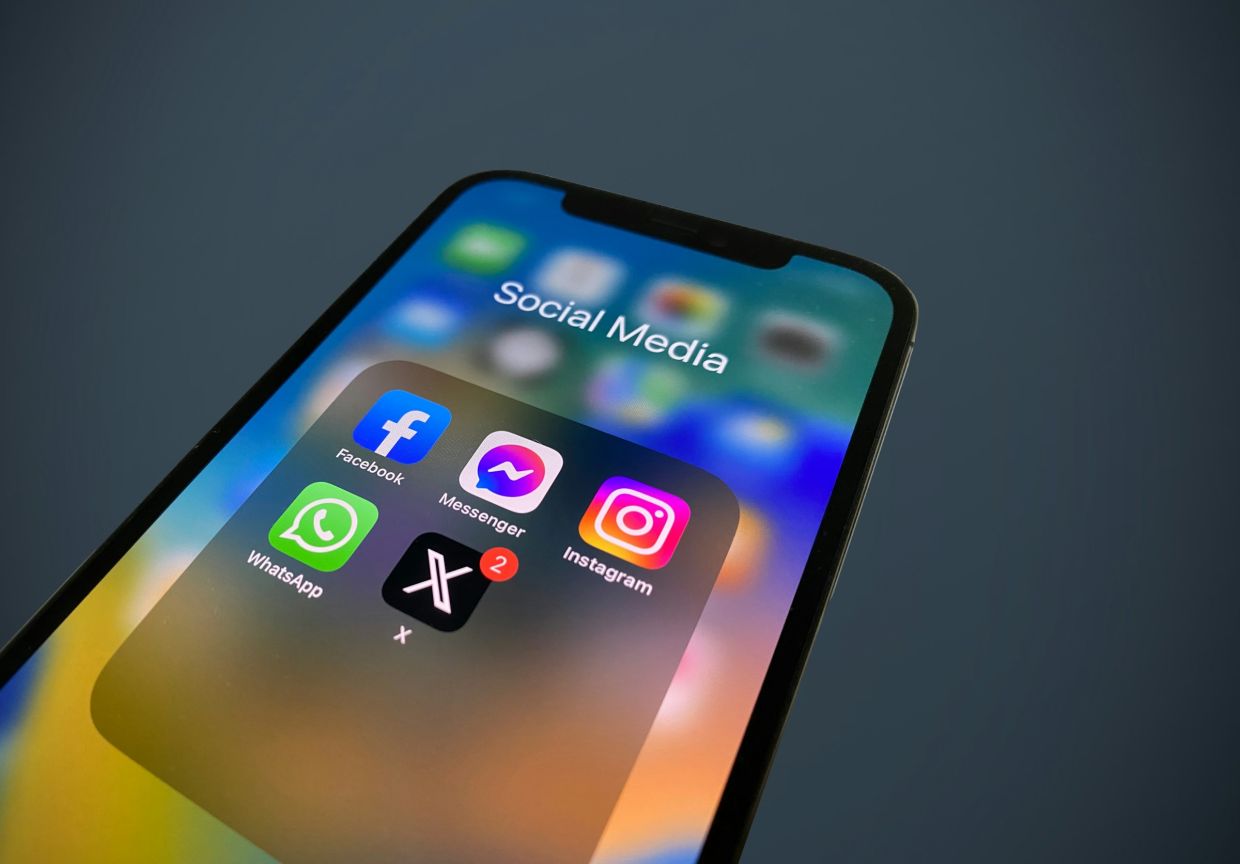
Mexico is embarking on a careful examination of how to regulate children's access to social media platforms, joining a growing list of countries taking action against what public health experts describe as systemic harms to young people. President Claudia Sheinbaum has made the issue a priority in her administration's public agenda, hosting discussions with leading researchers and academics at her regular press briefings to explore the psychological and social impacts of platforms such as Instagram and TikTok on developing minds.
The Mexican government's approach reflects a determination to address concerns about addictive design features, exposure to harmful content, cyberbullying, and documented effects on adolescent mental and physical health. However, the administration is deliberately framing this as a collaborative national conversation rather than an executive order imposed from above. Sheinbaum has been explicit that she wants all political parties, civil society organisations, and concerned citizens to participate in designing any framework, a strategy intended to insulate the government from accusations of censoring or suppressing free expression.
One of the key steps in this process involves consulting with educators. By the end of the current month, the government plans to begin formal discussions with elementary and secondary school teachers about implementing a nationwide prohibition on mobile phone use in classrooms. Several Mexican states have already adopted such policies independently, suggesting there is precedent and perhaps receptiveness among school administrators to such measures. These conversations will also explore broader questions about regulating student access to social media beyond the school gates.
Jonathan Haidt, a prominent social psychologist whose research focuses on childhood development and digital technology, has been among the experts invited to Sheinbaum's press conferences to lend weight to these discussions. Haidt's work has influenced policy conversations internationally, and his participation signals that Mexico is drawing on evidence-based scholarship to inform its regulatory thinking.
The regulatory landscape has shifted dramatically in recent years as democracies worldwide confront the consequences of unrestricted social media access for minors. Australia implemented one of the most stringent measures in December 2025, mandating that platforms including Instagram, TikTok, Facebook, YouTube and X prevent users under 16 from creating accounts. The Australian approach represents an age-based absolute prohibition rather than a softer default-setting or parental consent model.
France pursued a comparable but slightly less restrictive path, approving a ban on users under 15 in 2025. However, that country's constitutional council struck down the legislation last week, raising important questions about how such restrictions interact with national constitutional protections for free speech and movement. This legal setback illustrates the constitutional complexities that countries like Mexico must navigate when designing regulatory frameworks.
Brazil has adopted a different regulatory philosophy, one that might appeal to Mexican policymakers concerned about both effectiveness and constitutional legitimacy. Rather than outright account bans, Brazil requires platforms to implement age-assurance mechanisms, establish safer default settings that limit algorithmic recommendations and data collection for younger users, and provide robust parental control tools. This intermediate approach acknowledges that absolute prohibitions may be difficult to enforce technically and constitutionally, while still meaningfully constraining exposure to harm.
Sheinbaum's public statements make clear that Mexico is still in the exploratory phase, with no predetermined outcome. She has acknowledged that the central regulatory question—whether to restrict content itself or to focus instead on algorithmic design and how platforms rank and prioritise material—remains fundamentally unresolved. The distinction matters considerably: regulating content raises free expression concerns, whereas regulating algorithms might be narrower and more defensible legally. This nuance suggests Mexican officials are thinking strategically about which lever to pull.
The involvement of multiple stakeholders in designing regulations carries both benefits and risks. Broad consultation builds legitimacy and may surface practical implementation challenges that technocratic approaches miss. Conversely, extensive deliberation can delay action at a time when young people are already experiencing harms from current platform design. Mexico will need to balance these competing pressures while remaining aware that other democracies are moving ahead with their own experiments, which will generate evidence about effectiveness and unintended consequences.
For Southeast Asian observers, Mexico's cautious approach offers a relevant model. The region has similarly high rates of youth social media adoption, comparable mental health concerns, and comparable constitutional sensitivities about government overreach. How Mexico resolves the tension between protection and liberty could influence policy discussions in Malaysia, the Philippines, Singapore and Indonesia, where regulators face identical challenges but have yet to move decisively. The Mexican government's insistence on multiparty and civil society input suggests a recognition that durable regulatory solutions require broad political consensus rather than executive decree.

