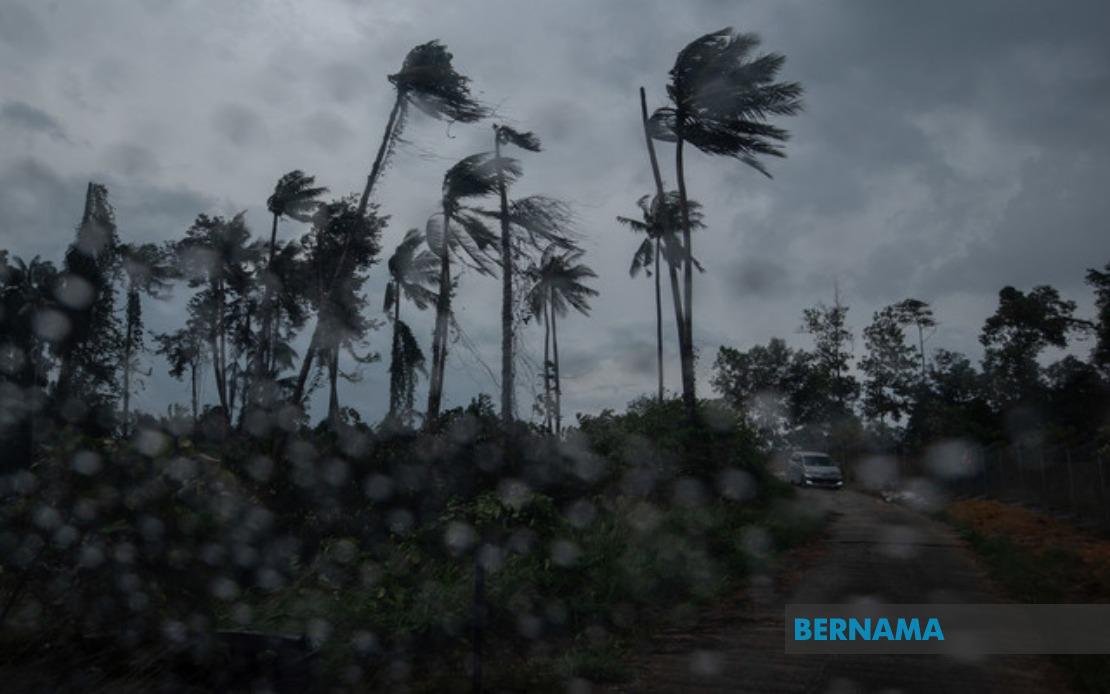
Severe weather is bearing down on large swathes of Malaysia, with the meteorological authority alerting residents across nine states to prepare for thunderstorms, torrential downpours, and gusty winds through the late afternoon. The Malaysian Meteorological Department released the advisory at 2.40 pm, signalling that dangerous atmospheric conditions would remain entrenched until at least 5 pm, leaving a narrow window for residents and authorities to take precautions.
The northern peninsula faces particularly widespread disruption. In Kedah, six municipal areas have been placed under alert: the districts of Baling, Sik, Kulim, Kuala Muda, Pendang, and Yan are all in the firing line. Across the state border in Penang, the warning extends to the two main divisions of Seberang Perai—both the northern and central sections—placing significant portions of the state's mainland territory at risk of flash flooding and wind damage.
Perak, the large state straddling the central peninsula, faces perhaps the most comprehensive alert, with seven districts flagged by MetMalaysia: Mualim, Kinta, Kampar, Batang Padang, Perak Tengah, Hilir Perak, and Kuala Kangsar. This concentration reflects the complex geography of the region, where steep terrain and river systems amplify the danger posed by heavy precipitation. The simultaneous warning across neighbouring Terengganu covers four districts including the state capital Kuala Terengganu, along with Dungun, Marang, and Kuala Nerus, suggesting a coherent weather system moving through the east coast.
Eastern Peninsula coverage extends into Pahang, where eight districts spanning the state's geographic breadth have been warned: Cameron Highlands, Lipis, Raub, Bentong, Bera, Rompin, Temerloh, and Maran. The inclusion of Cameron Highlands is notable, as the highlands region's elevation and terrain make it particularly vulnerable to rapid runoff and landslide risk during intense rainfall events. The breadth of the warning in Pahang underscores that the weather system does not respect district boundaries, potentially creating conditions where multiple municipalities experience simultaneous emergency situations.
In the southern peninsula, Negeri Sembilan and Johor report warnings, though the impact is more geographically limited. Five districts in Negeri Sembilan have been flagged—Seremban, Jempol, Tampin, Kuala Pilah, and Jelebu—while only Segamat in Johor faces the alert. This variation suggests the meteorological system has a concentrated path, with the southern tip of the peninsula experiencing less severe conditions at this particular moment.
East Malaysia is equally affected. Sarawak's warning encompasses a substantial portion of the state's inhabited regions: the divisions covering Miri (including the district of Marudi), Limbang, Mukah, Sibu (with both Sibu and Selangau districts), Sarikei (covering Maradong and Sarikei), and Bintulu (with Bintulu and Tatau). This geographic spread indicates that the alert extends across Sarawak's traditionally populated coastal and riverine areas, where thunderstorms can trigger dangerous swollen rivers and flash floods.
Sabah's Interior Division faces the most serious challenge in Malaysian Borneo, with six districts placed under warning: Keningau, Tambunan, Membakut, Tenom, Sipitang, and Beaufort. Additionally, Sabah's West Coast and the Kudat district (specifically Kota Marudu) are included in the alert. The Interior Division warning is particularly significant given that region's remoteness and the time required for rescue and relief operations in case of emergencies.
Thunderstorm warnings of this magnitude and geographic scope present significant challenges for emergency management authorities. Transport disruptions, school closures, and power outages often accompany such alerts, as high winds topple trees and damage electrical infrastructure. For residents in flood-prone areas—particularly those living near rivers or in low-lying zones—the combination of heavy rain and strong winds creates compounding hazards that can develop into life-threatening situations within minutes.
The timing of the advisory, issued in the afternoon with a 5 pm expiration, suggests meteorologists expect conditions to stabilise by early evening. However, the nation's complex orography and the unpredictable nature of tropical weather systems mean that conditions can persist longer than forecast or weaken faster than anticipated. Residents should remain vigilant and monitor for updates from MetMalaysia, as the department typically issues revised warnings if conditions worsen or if the timeline shifts.
For the broader Southeast Asian region, such weather events are characteristic of the monsoon transition periods, when atmospheric instability creates the potential for severe thunderstorm development across multiple jurisdictions. Malaysia's position on the equator makes it particularly vulnerable to these vigorous convective systems, which form when warm, moist air collides with upper-level divergence or when orographic lifting forces air parcels upward along terrain. The nine-state warning reflects the current atmospheric setup's potency and spatial extent.

