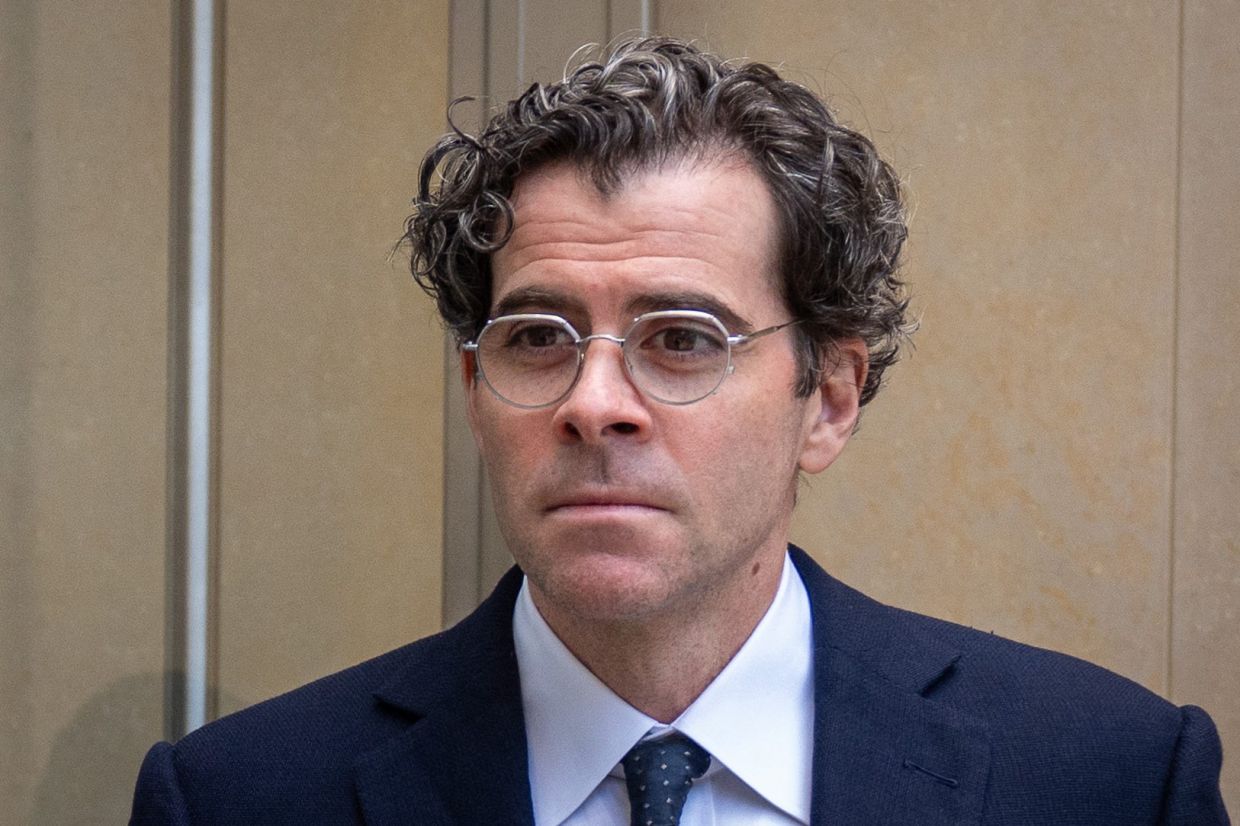
Meta's Instagram chief Adam Mosseri finds himself under intense scrutiny in a landmark trial as a coalition of 29 US states alleges the company deliberately engineered its products to captivate younger users and harvest their personal data. Now in its second week, the case centres on Meta's promotion of teen safety tools—Take a Break and Quiet Mode—which were touted publicly as solutions to protect children from excessive screen time, even as internal evidence reveals they were barely used by the platforms' younger audience. The trial, expected to conclude in late September, represents one of the most significant regulatory challenges to Big Tech's business practices and carries implications for how social media companies worldwide operate.
Mosseri's testimony regarding the effectiveness of these features has become a focal point of the legal proceedings. During questioning by Colorado Attorney General's office lawyer Jason Slothouber, the Instagram executive was confronted with data showing that Take a Break and Quiet Mode, launched in 2021 and 2023 respectively, achieved adoption rates of just 1.8 and 8.7 percent among young users. When pressed on whether Meta had disclosed these disappointing figures to the public, Mosseri acknowledged the company had not. His attempts to characterise the low uptake as merely reflecting the initial rollout phase contradicted documentary evidence that emerged during the trial.
The disconnect between Meta's public messaging and internal reality became particularly evident when examining statements Mosseri made just before a December 2021 Congressional hearing on social media's impact on young people. A blog post bearing his name announced new safety features and cited test results claiming that over 90 percent of teens who activated reminders kept them enabled. However, this figure referred only to those who had already switched on the feature—a critical distinction that masked the fundamental problem of adoption. The statistic obscured the actual take-up rate, which languished at between one and two percent of accounts, a detail Meta failed to clarify in its public communications.
Francesco Fogu, Meta's director of product design at Instagram, provided testimony that further undermined the company's claims about the tools' effectiveness. Under questioning, Fogu admitted that Meta had anticipated lower adoption unless the features were enabled by default—yet the company resisted implementing this approach for significant portions of the teenage user base. Judge Yvonne Gonzalez Rogers, who will determine the case's outcome with jury guidance, visibly reacted with apparent surprise at Fogu's admission that he was unaware of internal adoption data, raising questions about whether critical product performance information was being systematically withheld from decision-makers.
Multiple former Meta employees have provided damaging testimony about the company's approach to teen safety. Arturo Bejar, an ex-engineering director, characterised Take a Break as fundamentally flawed, testifying that the feature was "designed to fail." George Volichenko, a data scientist who worked on Instagram safety features in 2022 and 2023, described adoption rates as "very low and disappointing," likening their impact to "a drop in the ocean." Volichenko's testimony specifically detailed how Meta's leadership declined to activate Quiet Mode by default for younger teens, deliberately limiting its reach because the setting proved difficult to locate within the app's interface. This design choice, he suggested, was no accident but rather a calculated decision to suppress engagement with features that might reduce user activity.
The fundamental tension driving the trial becomes clear when examining Meta's business incentives. The company's revenue model depends almost entirely on advertising, with profits directly tied to the duration users spend on Instagram and Facebook. Every additional hour a teenager spends scrolling through feeds and engaging with content translates to more ad impressions and higher earnings. Volichenko's testimony revealed that making safety features more prominent or enabling them by default would have generated a "notable negative impact" on user engagement—precisely the metric Meta's leadership prioritises when making product decisions. This structural conflict between teen welfare and corporate profitability lies at the heart of the state's case.
Meta has attempted to reframe its approach by highlighting changes made since these initial safety features proved ineffective. The company points to Teen Accounts, launched in 2024, which incorporate parental controls and automatically enable these protective features. However, Mosseri could not recall whether Meta had publicly disclosed what percentage of teen accounts actually have parental controls activated, suggesting the same pattern of selective transparency may be recurring. This strategy—retrofitting safety measures after initial features fail, then obscuring adoption data—suggests systemic rather than isolated problems with how Meta prioritises transparency about teen protection mechanisms.
The potential consequences for Meta and the broader technology industry are staggering. Should the company be convicted, the 29 states are seeking approximately US$200 billion (RM805.46 billion) in penalties—a sum that would fundamentally reshape Meta's financial structure. Beyond financial damages, a loss could force the company to undergo substantial restructuring of its core business model, particularly regarding how it collects and monetises user data from minors. Such an outcome would reverberate across the global technology sector, establishing precedent for regulatory action against other platforms accused of similar practices.
For Malaysian and Southeast Asian stakeholders, this trial carries particular significance given the region's rapidly growing youth population and their substantial representation among Meta's user base. The case demonstrates how regulatory frameworks in major markets can ultimately influence platform policies globally. If US courts mandate fundamental changes to how Instagram operates, these modifications would likely cascade to international versions of the platform, potentially reshaping how Southeast Asian teenagers interact with social media. The trial also illuminates broader questions about corporate responsibility, data privacy, and whether self-regulation by technology companies adequately protects vulnerable populations—issues that resonate across markets still developing their own regulatory approaches to Big Tech.
Mark Zuckerberg, Meta's founder and chief executive, is expected to testify in the coming weeks, though the timing remains uncertain. His appearance will likely address higher-level strategic decisions about product design and data collection practices. The trial's progression through late September will determine whether US courts establish a meaningful constraint on how social media platforms can operate, particularly regarding their engagement with minors. For Meta's leadership, the outcome could represent either a decisive regulatory defeat forcing genuine product reforms or a validation of business practices that prioritise engagement metrics above stated safety commitments.

