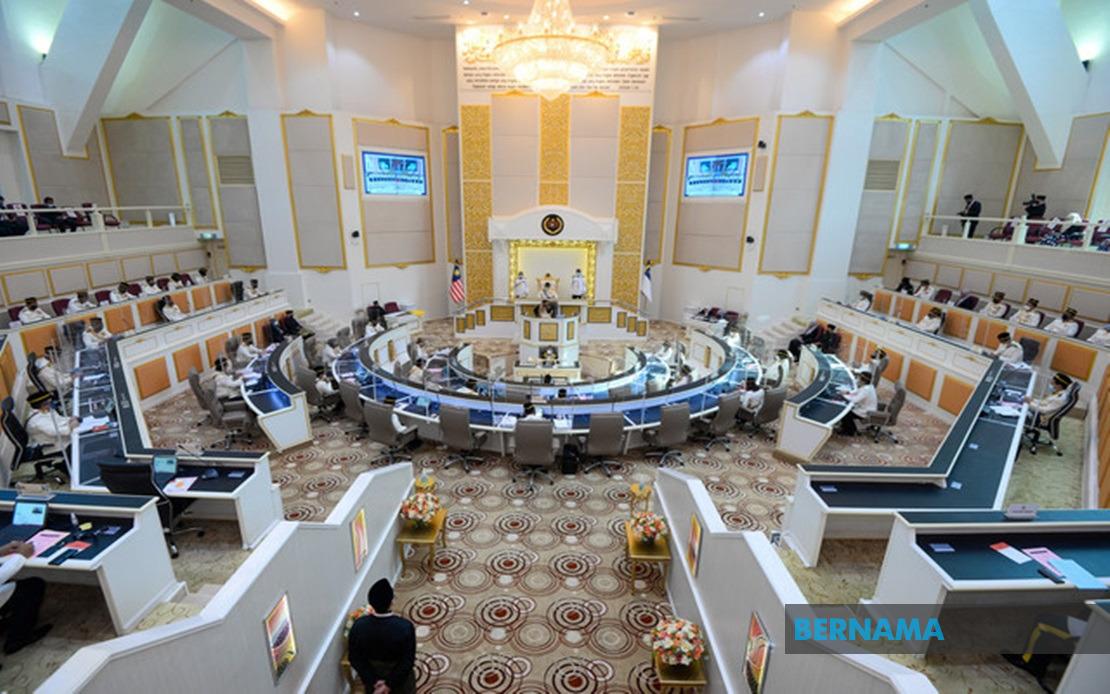
The Melaka state government moved closer to realising an expanded healthcare facility for residents of Bukit Rambai, with state authorities confirming that budgetary approval for the proposed Type 3 health clinic is anticipated when Parliament convenes to present the 2027 Budget framework next October. The announcement, delivered to the state assembly on July 14, came as part of a written response to a query raised by assemblyman Lim Ban Hong from Kelebang. The proposal, formally lodged under Rolling Plan 2 of the 13th Malaysia Plan, has already secured site preparation with land readied opposite the existing Bukit Rambai Health Clinic, signalling that preliminary groundwork is advanced enough to move toward construction should budgetary allocation be confirmed.
Datuk Ngwe Hee Sem, who chairs Melaka's Health, Human Resources and Unity Committee, elaborated on the significance of the project for the Bukit Rambai constituency and surrounding communities. The current healthcare infrastructure in the area appears stretched, prompting authorities to pursue a comprehensive upgrade rather than incremental improvements. The new facility is designed as a Type 3 clinic, indicating a mid-tier classification that will serve a broader catchment population than smaller neighbourhood clinics while remaining distinct from hospital-level care. Construction timelines suggest a three-year completion window once funding is confirmed, meaning residents could expect the facility to become operational by 2030 if the budget allocation proceeds as anticipated.
The expanded clinic will introduce medical disciplines and services currently unavailable in Bukit Rambai, fundamentally reshaping local healthcare delivery. Radiology services, including X-ray imaging, address a current gap that forces patients to seek diagnostic imaging elsewhere. A dedicated dental unit equipped with five chairs represents a significant enhancement, particularly important given the widespread demand for oral healthcare in suburban Melaka communities. Nutrition and dietetics services will enable patients to access professional dietary guidance, supporting the growing emphasis on preventative healthcare and chronic disease management across Malaysia's public health system.
Beyond the flagship additions, the clinic will integrate allied health professions that enhance the comprehensiveness of care available locally. Optometry services will provide basic vision assessment and spectacle prescription, reducing unnecessary referrals to specialist eye facilities. Physiotherapy and occupational therapy offer rehabilitation support for patients recovering from injury or managing chronic conditions, services that are typically undersupplied in suburban health centres. Speech therapy addresses developmental and post-stroke communication challenges, while counselling psychology and medical social work extend mental health and psychosocial support—areas increasingly recognised as central to holistic healthcare delivery.
The consolidation of multiple service streams into a single location carries operational benefits that extend beyond simple service proliferation. The current fragmentation of healthcare delivery in Bukit Rambai likely forces patients to navigate multiple clinic visits or referrals for conditions requiring integrated care. The new facility promises to streamline the outpatient experience, allowing comprehensive assessment and treatment without unnecessary inter-clinic transfers. This integration proves especially valuable for managing complex cases where physical health, mental wellbeing, and social circumstances intertwine—such as managing diabetes with dietary counselling and psychological support, or rehabilitation following stroke with speech and physiotherapy input.
Congestion relief emerges as a practical advantage for both patients and healthcare providers. The existing Bukit Rambai Health Clinic, like many suburban facilities in Malaysia, likely operates near capacity, creating extended waiting times and potential service bottlenecks. A parallel facility with expanded capacity will distribute patient flow more effectively, reducing frustration and enabling healthcare staff to deliver services without the time pressures that compromise quality. This matters significantly for maternal and child health services, where individualised attention and unhurried assessment contribute substantially to outcomes. Parents seeking immunisation or developmental screening services will benefit from reduced queues and more thorough consultations.
The proposal's progression through the 13th Malaysia Plan framework situates Bukit Rambai within a broader national healthcare expansion strategy spanning multiple sectors and regions. Rolling Plan 2 implementation suggests that this project competes alongside other development priorities for budgetary allocation, making October's parliamentary budget session genuinely consequential. Approval is not automatic, though the completion of site preparation indicates substantial prior commitment from state authorities and endorsement from relevant federal ministries. The positioning of the decision within the formal budget cycle provides institutional accountability and transparency around healthcare investment allocation in Melaka.
For residents of Bukit Rambai and neighbouring areas, the three-year construction window represents a defined timeframe for institutional change. Unlike projects that linger in planning limbo for years, the articulated timeline creates realistic expectations. Construction activity itself will generate local economic activity through employment and procurement, while the final facility will enhance the area's appeal to families and businesses seeking reliable healthcare infrastructure. The clinic's capacity to strengthen emergency services alongside routine outpatient care suggests an institution designed to handle acute presentations alongside preventative and chronic care management.
The Malaysian healthcare system's persistent challenge of equitable service distribution across urban and suburban contexts finds potential partial resolution through projects like this. Melaka state, despite relative prosperity compared to some eastern Malaysian jurisdictions, contains pockets of undersupply in secondary urban areas like Bukit Rambai. Expanding the Type 3 clinic network addresses this recognised gap. However, successful implementation depends not merely on physical infrastructure but on effective staffing, sustained operational funding, and integration with higher-level referral systems. The facility's viability ultimately hinges on whether the Ministry of Health commits the human resources and recurrent budget necessary to operationalise the expanded service menu.
October's budget announcement will clarify whether Bukit Rambai's healthcare upgrade becomes reality or joins the extensive backlog of proposed facilities awaiting funding. The state assembly's confidence in the proposal's advancement suggests genuine expectations of approval, though healthcare infrastructure proposals sometimes face prioritisation against competing claims on limited budgets. For healthcare planners and residents alike, the next three months represent a critical juncture—the moment when political commitment transforms into fiscal reality.

