The Perbadanan Pembangunan Sungai dan Pantai Melaka (PPSPM) has set its sights firmly on welcoming one million passengers aboard the Melaka River Cruise (MRC) before the year concludes, signalling robust confidence in the historical state's tourism recovery and the enduring appeal of its waterway heritage experiences.
With 350,000 visitors having embarked on the scenic journey along the Melaka River by June, PPSPM chief executive officer Shaharul Azuar Idris acknowledged that roughly 60 per cent of the annual target remains to be fulfilled. The organisation is responding to this challenge by introducing a range of competitively priced holiday packages alongside a sharper international and domestic marketing campaign designed to position the river cruise as an unmissable Melaka attraction for both regional and long-haul tourists.
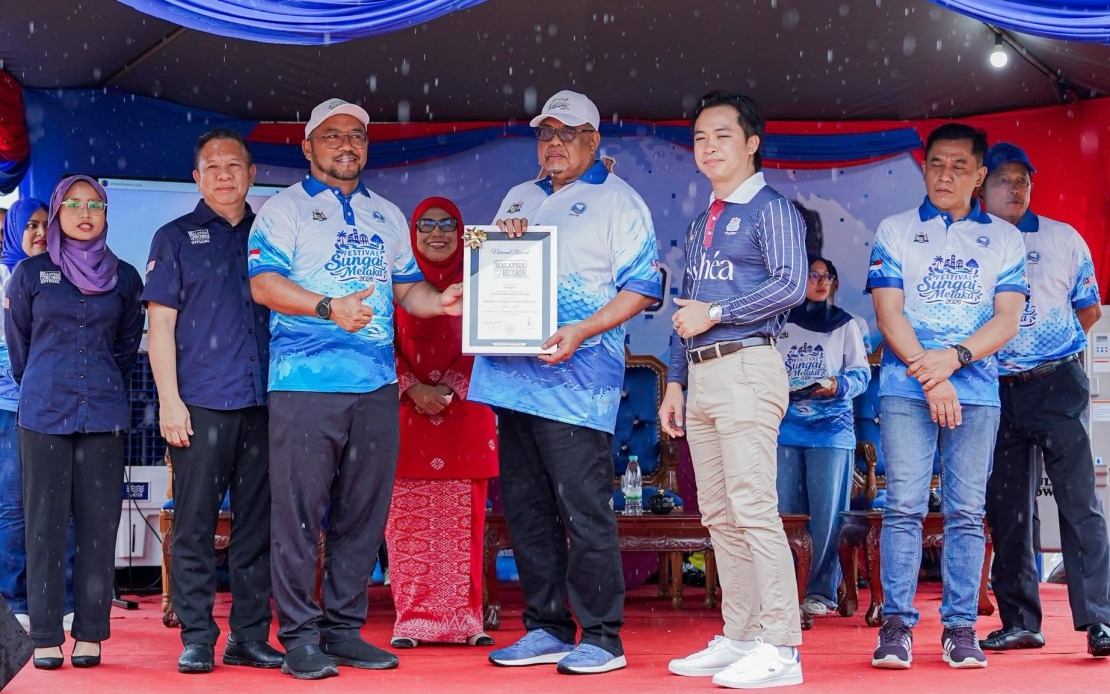
The milestone announcement arrived during the presentation of Malaysia Book of Records certificates and awards to victors of the Melaka River Festival 2026, a ceremony presided over by Melaka Chief Minister Datuk Seri Ab Rauf Yusoh. This official recognition underscores the state government's commitment to leveraging cultural and tourism initiatives as engines of economic growth and visitor engagement. The river cruise has emerged as a flagship product for Melaka's tourism ecosystem, blending heritage appreciation with leisure and dining experiences that appeal to diverse traveller demographics.
Crucially, PPSPM's operational footprint has expanded considerably. The organisation currently manages a fleet of 60 vessels, with 30 dedicated to the main Melaka River circuit and another 30 stationed at Tasik Chinchin Eco Cruise. This diversification allows PPSPM to cater to multiple market segments—from heritage-focused river sightseers to nature enthusiasts exploring freshwater ecosystems. The company has demonstrated strategic foresight by continuously refining its service offerings, recognising that modern tourists expect both safety certifications and contemporary comfort standards.
Recognising that novelty and premium experiences drive passenger conversion, PPSPM has undertaken substantial upgrades to its existing boat inventory. Flagship vessels such as the 'Everlasting Love Boat' and 'Tun Khalil Cruise' have been retrofitted with enhanced amenities, particularly on-board dining facilities that transform the cruise into a culinary experience rather than mere transportation. These enhancements reflect broader Asian tourism trends, where experiential offerings and gastronomic adventures increasingly influence travel decisions. The organisation is also evaluating proposals to introduce vessels equipped with cutting-edge navigation and safety technologies—a critical consideration given rising global expectations around maritime passenger protection and environmental sustainability.
Beyond core revenue operations, PPSPM is leveraging government support to achieve both social and commercial objectives. Under the state government's Melaka Sayang Rakyat (MeSRa) initiative, more than 5,000 residents are slated to receive complimentary rides on both the Melaka River Cruise and Tasik Chinchin Eco Cruise in celebration of Malaysia's National Day on August 31. This subsidy strategy serves a dual purpose: it distributes tourism benefits equitably among local communities whilst simultaneously introducing potential repeat-paying customers to services they might otherwise overlook. For PPSPM, such initiatives generate substantial passenger throughput data and validate service quality across high-volume operating periods.
The National Day promotional package also presents operational planning challenges. Shaharul Azuar emphasised that PPSPM is mobilising sufficient staffing and vessel capacity to prevent bottlenecks and extended queuing—a critical success factor for public perception. Queue management and boarding efficiency directly influence word-of-mouth recommendations, particularly among first-time users. By ensuring smooth logistics, PPSPM aims to convert the complimentary August experience into sustained ticket revenue as satisfied visitors return with family and friends during subsequent months.
From a regional perspective, Melaka's river tourism sector reflects Southeast Asia's broader pivot towards heritage-centric and experiential travel. Thailand, Vietnam, and Cambodia have successfully monetised similar river systems, and Melaka's positioning as a UNESCO World Heritage Site creates inherent competitive advantages. However, the state faces persistent challenges around marketing differentiation, especially as budget airline connectivity and accommodation competition intensify across the region. PPSPM's emphasis on premium boat upgrades and diversified packages suggests strategic recognition that volume alone proves insufficient; value perception and experience quality ultimately determine passenger loyalty and spending.
The one million-passenger target, whilst ambitious, remains achievable given the 350,000 mid-year baseline and accelerating promotional intensity. Assuming relatively consistent booking patterns through October and elevated National Day redemptions, the organisation could plausibly reach 750,000 passengers by late August, leaving 250,000 to be captured during the final quarter when year-end holiday travel traditionally peaks. Domestic leisure travel within Malaysia typically strengthens in September through December as school holidays and festive seasons approach, aligning favourably with PPSPM's aggressive push.
Yet success hinges on sustaining marketing momentum whilst simultaneously managing operational complexity at scale. As passenger volumes surge, staff training, boat maintenance, and safety compliance become exponentially more critical. Any service failures—mechanical breakdowns, safety incidents, or overcrowding complaints—risk triggering negative social media amplification and reputation damage that could undermine the entire initiative. PPSPM's confidence is justified by its current trajectory, but execution excellence across every operational dimension will determine whether the one million target becomes a celebrated achievement or a cautionary case study in over-optimistic forecasting.

