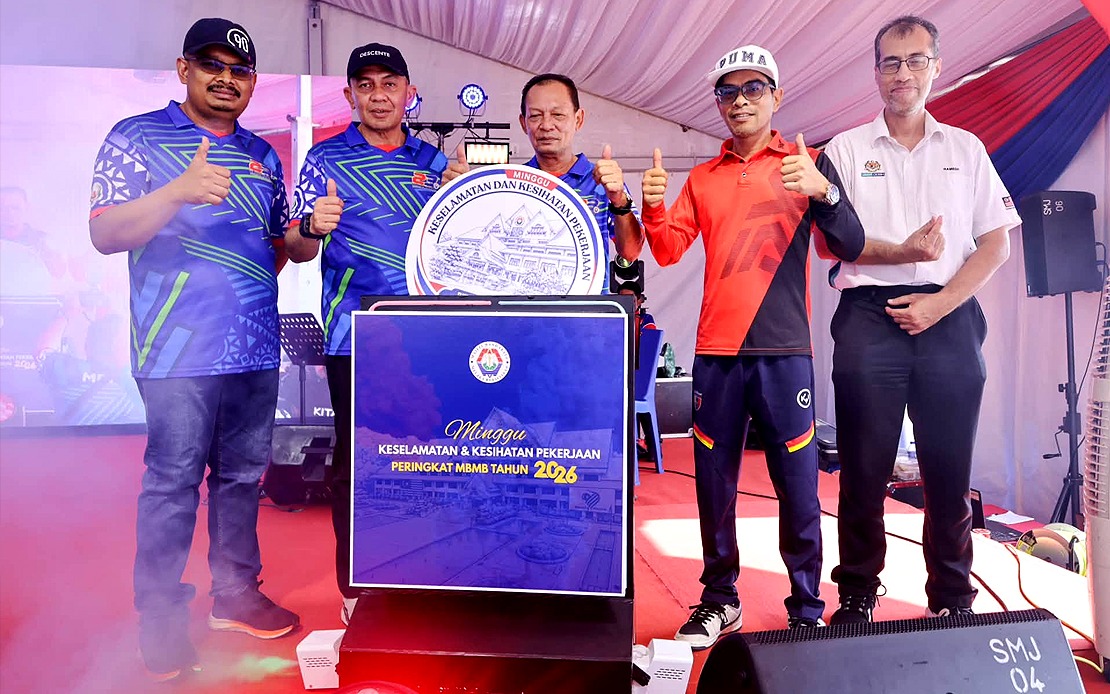
Melaka has recorded 277 workplace accidents resulting in both permanent and temporary disabilities across multiple economic sectors during the opening six months of 2026, according to data released by state occupational safety authorities. The tally underscores ongoing challenges in workplace safety compliance across the state's industrial landscape, even as officials maintain that incident rates remain manageable compared to previous years. The revelation came as the state marked its 2026 Occupational Safety and Health Week, an annual observance aimed at reinforcing safety consciousness among employers and workers alike.
Three fatalities were confirmed during the same period, with two occurring within construction operations and one in manufacturing. These deaths represent the most severe outcome of workplace incidents and typically trigger mandatory investigations under Malaysia's principal occupational safety legislation. The fatalities highlight the particular risks inherent in Malaysia's construction sector, which has historically ranked among the most dangerous industries for worker safety. Manufacturing, too, continues to pose significant hazards, particularly in facilities handling machinery, chemicals, or heavy equipment without adequate safeguards.
Ramesh Zakir Shamsul, who directs Melaka's Department of Occupational Safety and Health (DOSH), characterised the overall accident situation as "relatively under control," indicating that while incidents continue to occur, they have not spiralled into crisis levels. However, his comments carried an implicit caveat: maintained vigilance remains essential. DOSH maintains a continuous monitoring regime across industrial operations throughout the state, scrutinising whether both company management and individual employees adhere to the detailed safety protocols mandated under occupational health legislation. This supervisory approach reflects the department's understanding that accidents often stem from complacency or procedural lapses rather than inevitable hazards.
Under the Occupational Safety and Health Act 1994 (Act 514), Malaysia's foundational workplace safety statute, employers face a legal obligation to report every workplace accident promptly. Ramesh Zakir stressed that DOSH conducts comprehensive investigations into reported incidents, a process intended both to assign responsibility and to identify systemic weaknesses that might precipitate future accidents. The investigative framework serves a dual purpose: it creates accountability while simultaneously generating data and insights that inform revised safety protocols and training initiatives. Companies that fail to report accidents or that obstruct investigations face potential penalties, creating both legal and financial incentives for transparency.
The state-level observance of Occupational Safety and Health Week was formally launched by the Melaka Historic City Council (MBMB), with patronage from Datuk Zulkiflee Mohd Zin, the state's deputy senior executive councillor overseeing housing, local government, drainage, climate change and disaster management portfolios. The involvement of local government bodies like MBMB reflects an increasingly collaborative approach to workplace safety governance in Malaysia, acknowledging that municipal authorities possess regulatory leverage and community connections that can reinforce safety messaging. The event also drew attendance from Melaka's municipal leadership, including Mayor Datuk Shadan Othman, alongside Ahmad Jailani Mansor, DOSH's deputy director-general specialising in occupational health matters.
Ramesh Zakir articulated a partnership philosophy regarding safety promotion, emphasising that responsibility for workplace accident prevention cannot rest solely with DOSH inspectors and enforcement personnel. Employers themselves must internalise safety obligations and embed protective cultures within their organisations. This philosophy reflects international best practices in occupational health, which increasingly recognise that top-down regulatory enforcement alone proves insufficient; genuine safety improvement requires buy-in from company leadership and individual workers. When employers commit voluntarily to safety excellence, accident rates typically decline more significantly than when compliance results purely from regulatory pressure.
Collaboration between DOSH and various stakeholders across Melaka forms a cornerstone of the state's safety strategy. Beyond formal regulatory oversight, the department partners with business associations, industry groups, and municipal councils to deliver awareness-raising initiatives. These collaborative programmes include workshops targeting supervisors and safety officers, as well as ceramah (traditional public talks) designed to communicate safety principles in accessible, culturally resonant language to diverse audiences. Such grassroots engagement often reaches workers and employers who might not participate in formal training programmes, thereby extending the reach of safety messaging beyond standard compliance channels.
MBMB's particular contribution to occupational safety advancement has earned recognition from DOSH leadership, with Ramesh Zakir specifically commending the city council for integrating safety promotion into its broader municipal development and community engagement agenda. This institutional partnership demonstrates how local government entities can leverage their authority and visibility to normalise safety consciousness. When municipal authorities champion occupational health initiatives, they signal to businesses and residents alike that the government takes workplace accidents seriously and expects all stakeholders to contribute to prevention. MBMB's involvement also facilitates coordination between state occupational safety regulators and local building inspectors, ensuring that safety considerations receive integrated attention rather than fragmented scrutiny.
For Malaysian businesses and workers, the Melaka statistics offer both cautionary and encouraging signals. The continued occurrence of 277 incidents and three fatalities demonstrates that workplace risks remain tangible realities, particularly in higher-hazard sectors like construction and manufacturing. Companies operating in these sectors must maintain rigorous safety protocols, invest in worker training and protective equipment, and cultivate organisational cultures that prioritise safety over production speed or cost reduction. Workers themselves benefit from understanding their rights under Act 514, which grant them authority to report hazardous conditions and to refuse assignments presenting imminent danger without facing employer retaliation.
The regional implications of Melaka's workplace safety experience extend across Southeast Asia's industrial sector. Many neighbouring countries share similar economic structures and industrial compositions, facing comparable challenges in occupational health governance. Malaysia's evolving approach—blending regulatory enforcement with collaborative partnership and community engagement—offers a model that other ASEAN nations might study and adapt. As regional manufacturing and construction industries continue expanding, driven by economic development and foreign investment, the approaches adopted by individual Malaysian states will likely influence broader regional standards and practices.
Looking forward, DOSH's commitment to continuous monitoring and collaborative engagement suggests that Melaka's authorities intend to maintain or reduce current accident rates rather than accept them as inevitable. The emphasis on employer responsibility and worker awareness indicates recognition that sustainable safety improvements require systemic changes affecting corporate cultures and individual behaviours. Success will require sustained investment in training, consistent enforcement of existing regulations, and genuine dialogue between regulators, employers, and workers about the practical challenges of implementing safety protocols in demanding industrial environments. For Malaysian workers and businesses, this ongoing dialogue represents the foundation upon which safer, more productive workplaces can eventually be built.

