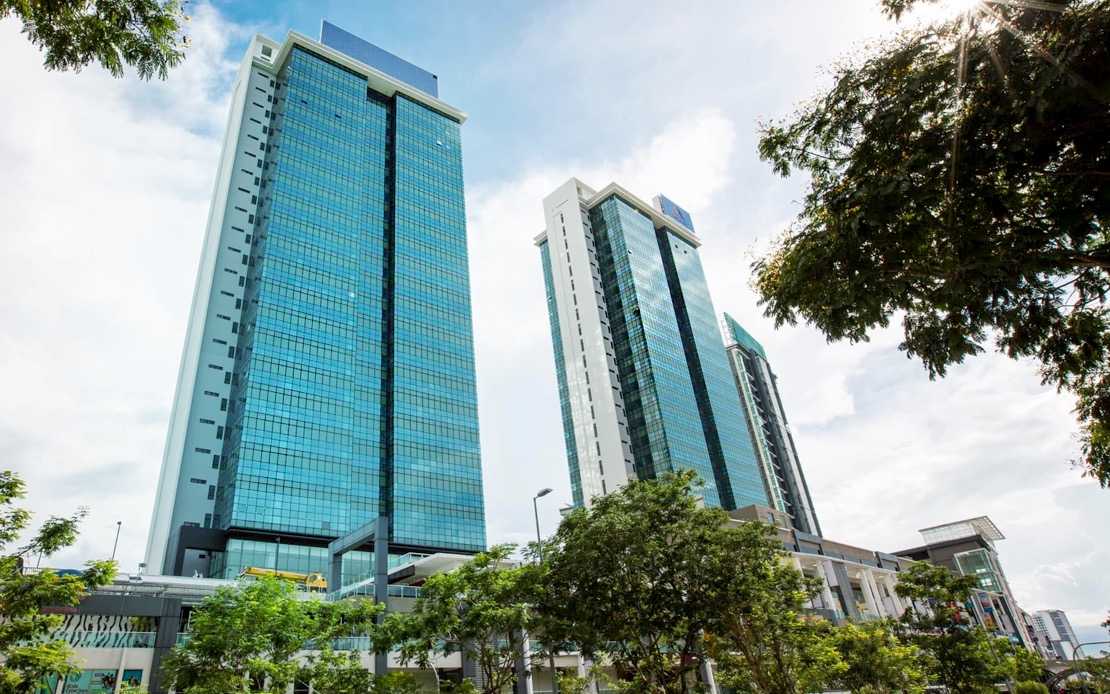
Malaysia is positioning itself as a serious participant in shaping global digital regulation with an upcoming international conference that brings together policymakers, technology leaders and civil society advocates to deliberate on the future of communications governance. The Malaysian Communications and Multimedia Commission (MCMC) will host the International Regulatory Conference (IRC) 2026 on July 21 and 22 at the Shangri-La Kuala Lumpur, marking the second iteration of what has become an important platform for dialogue on the digital economy's trajectory across regulatory boundaries.
The biennial event carries the theme "Shaping the Next Digital Era: Regulation, Resilience and Trust," a deliberately chosen focus that acknowledges the mounting tension between fostering technological innovation and protecting citizens from digital harms. By framing the conference around these three pillars, MCMC signals its commitment to ensuring that Malaysia's regulatory approach balances the imperatives of economic competitiveness with social responsibility—a challenge that defines digital policy across Southeast Asia and beyond. The theme also reflects growing international concern about the resilience of digital infrastructure amid geopolitical tensions and cyber threats, as well as the erosion of public trust in digital platforms.
Communications Minister Datuk Seri Fahmi Fadzil is expected to formally launch the conference, lending political weight to the occasion and underscoring the government's strategic interest in telecommunications regulation. This ministerial involvement signals that digital policy is no longer confined to technocratic committees but has risen to the level of cabinet-level priority, a recognition of technology's centrality to economic development and national security. For Malaysia, hosting such a gathering also represents an opportunity to elevate its influence within regional and global regulatory networks, positioning the country as a thought leader rather than merely a participant in internationally established standards.
The conference agenda will pivot on several interconnected challenges that are reshaping how regulators approach their mandate in the 21st century. Participants will examine how emerging technologies—artificial intelligence, cloud computing, 5G and beyond—demand new regulatory frameworks that are responsive yet not stifling. Equally pressing is the question of how regulators can navigate the intersection of freedom of expression and national security concerns on social media platforms, a dilemma that has become acute across Asia where governments and civil society hold sharply divergent views on content moderation. The agenda also encompasses data privacy and digital innovation, recognizing that personal data protection and the encouragement of technological experimentation need not be mutually exclusive objectives.
The speaker lineup reflects the breadth of expertise and perspective required to address these multifaceted issues comprehensively. Beyond domestic voices, the conference will feature international participants including Danielle Heinecke, Australia's High Commissioner to Malaysia, and Saskia Blume, chief of children commissioner at the United Nations Children's Fund (UNICEF), signaling that child protection in the digital realm is receiving serious attention at the highest regulatory levels. The inclusion of UNICEF and the Human Rights Commission of Malaysia (SUHAKAM), represented by child commissioner Dr Farah Nini Dusuki, underscores a growing recognition that digital regulation must prioritize vulnerable populations, particularly young people whose online experiences increasingly shape their development and citizenship.
The participation of Noelle de Guzman, senior director for Regional Affairs at the Asia-Pacific office of the Internet Society (ISOC), ensures that civil society perspectives on internet governance will be heard alongside government and corporate voices. Similarly, the presence of Dr Vivek Jason Jayaraj from the Ministry of Health suggests that discussions will extend beyond traditional telecommunications concerns to encompass digital health security and the regulatory challenges posed by health-related digital services and misinformation. Rizwan Hussain, head of IBM Quantum Sales for APAC and Japan, represents the cutting edge of technology innovation, signaling that the conference is not merely retrospective but actively grappling with technologies that do not yet dominate mainstream usage but will soon reshape regulatory considerations.
The participation of academics such as Dr Lai Siew Tim from the University of Malaya, a clinical psychologist, adds a crucial dimension often absent from telecommunications policy discussions: the psychological and social impacts of digital technologies. This inclusion reflects a maturing understanding among regulators that effective digital governance must be grounded not only in technical expertise and legal frameworks but also in evidence about how technologies shape human behavior, mental health and social cohesion. It is a welcome recognition that regulation divorced from understanding lived experience risks being ineffective or counterproductive.
Building on the success of IRC 2024, the 2026 edition arrives at a moment of particular inflection in global digital governance. Artificial intelligence regulation, which barely featured in previous years' discussions, now dominates agendas from Brussels to Beijing. The return of geopolitical fragmentation and concerns about technology-enabled sovereignty have pushed questions about digital resilience and secure infrastructure to the fore. Data localization requirements, digital taxation, platform accountability and the role of digital technologies in democratic processes have all become politically contested terrain where Malaysia and other regional actors must articulate clear positions.
For Malaysia specifically, the conference provides a venue to demonstrate its regulatory sophistication and to build coalitions with like-minded governments and organizations on key issues. Southeast Asian nations face distinctive digital governance challenges rooted in the region's particular economic, social and security contexts, yet they often lack coordinated approaches or sufficient voice in international regulatory standard-setting. By hosting IRC 2026, MCMC is not only showcasing Malaysia's commitment to thoughtful digital stewardship but also creating space for Southeast Asian perspectives to influence global conversations that too often are dominated by Western and Chinese regulatory models.
The emphasis on trust and resilience in the conference theme also speaks to a widespread erosion of confidence in digital institutions. Platforms face mounting criticism for inadequate content moderation, data breaches have become routine, and misinformation campaigns have destabilized democracies and public health responses. Regulators worldwide are struggling to restore trust without resorting to heavy-handed censorship or stifling innovation. Malaysia's conference will provide a testing ground for ideas about how transparency, accountability and stakeholder engagement might help rebuild social trust in digital systems. The outcomes and recommendations emerging from such high-level dialogue can inform Malaysia's own regulatory direction and contribute to regional and global policy development on these urgent questions.

