The Malaysian Communications and Multimedia Commission (MCMC) faces a critical mandate to deliver comprehensive mobile network coverage at the Johor Bahru-Singapore Rapid Transit System (RTS) Link before the landmark cross-border railway begins operations on January 1, 2027. Communications Minister Datuk Fahmi Fadzil has prioritised this initiative as essential to providing commuters with a seamless digital experience from day one of the service's launch, reflecting the growing expectation that modern transport infrastructure must integrate fully with telecommunications networks.
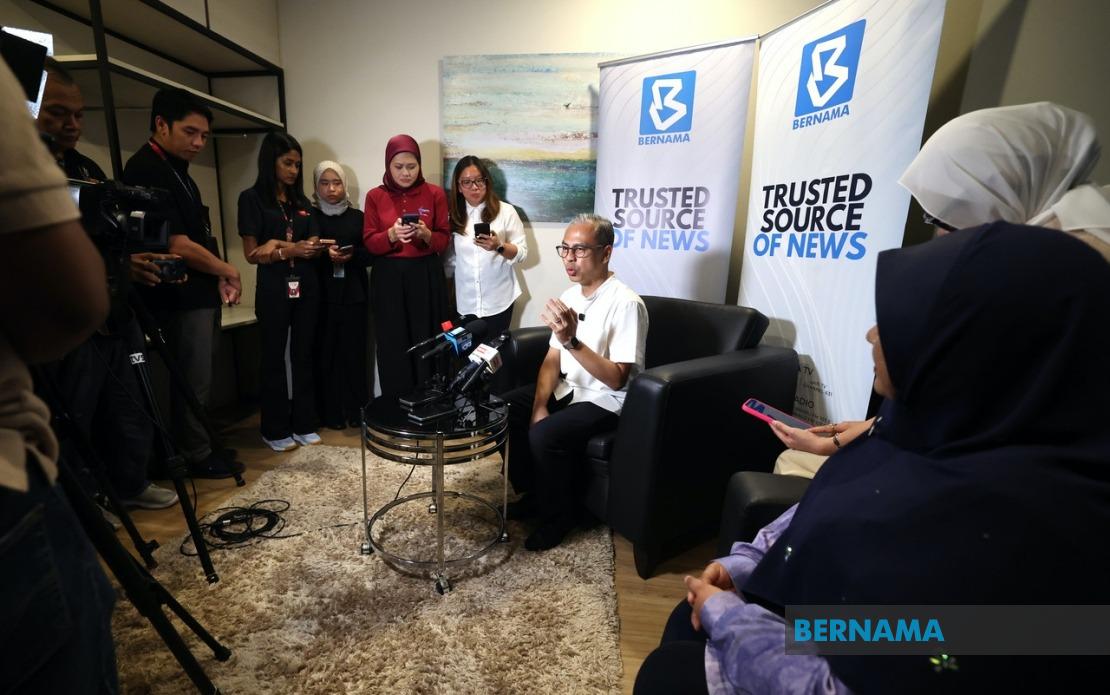
Fahmi outlined the government's commitment during a visit to the Malaysian National News Agency (Bernama) operations room in Johor Bahru, confirming plans for an inspection with the MCMC at a future date. The emphasis on optimal coverage reflects broader policy concerns about ensuring that Malaysia's transport investments deliver modern, digitally-integrated services that meet international standards. The RTS Link itself represents a significant regional infrastructure achievement—a four-kilometre railway shuttle connecting Bukit Chagar in Johor Bahru with Woodlands North in Singapore, creating the first dedicated rapid transit link between the two neighbouring nations.
Beyond the immediate RTS Link objective, the minister addressed persistent challenges surrounding digital connectivity in rural Malaysia, particularly the failure of weak internet coverage to support cashless payment systems via QR codes. Fahmi attributed many of these ongoing issues to incomplete rollout of telecommunications infrastructure, indicating that resolution is expected through Phase Two of the National Digital Network (JENDELA), the government's comprehensive broadband expansion programme. This acknowledgement reveals the extent to which digital payment adoption remains constrained by infrastructure deficiencies rather than consumer preference or technical readiness.
The construction timeline for new telecommunications infrastructure presents significant logistical and financial challenges. Fahmi explained that erecting new telecommunications towers typically demands between 12 and 24 months due to the complexity of land acquisition and securing approvals from local authorities. This extended timeline underscores why achieving RTS Link coverage requires advance planning and coordination between multiple agencies. Where possible, the government seeks to leverage existing passive infrastructure such as established tower sites, though these often lack the necessary equipment from telecommunications service providers, creating a gap between physical infrastructure and operational capacity.
The ministry is simultaneously exploring alternative technologies to accelerate rural connectivity improvements. Satellite internet services, particularly Starlink, represent an emerging solution for delivering faster internet access to geographically isolated communities. This diversified approach acknowledges that traditional tower-based networks face economic and practical limitations in delivering universal coverage, especially across Malaysia's varied topography and settlement patterns. The adoption of satellite services signals a pragmatic shift toward technology-agnostic solutions designed to achieve connectivity targets regardless of conventional deployment methods.
Specific connectivity challenges in northern Johor and Malaysia's east coast require tailored interventions due to environmental factors. Terrain complexity, extensive oil palm plantation areas, and geographically dispersed populations create unique obstacles that cannot be addressed through standardised infrastructure deployment. These regional variations necessitate different technological and operational approaches, complicating the rollout timeline and cost projections. The minister's candid assessment that tower construction costs may not be commercially viable in certain areas highlights the tension between market-driven telecommunications expansion and universal service obligations.
The MCMC has effectively become the focal point for resolving these competing pressures. By delegating detailed technical examination to the commission, the minister acknowledged that addressing rural connectivity requires specialised expertise in evaluating alternative technologies, cost-benefit analyses, and deployment feasibility studies. This represents a significant responsibility, as the MCMC must balance commercial viability with social policy objectives while managing the transition toward next-generation mobile networks.
The RTS Link project carries particular symbolic significance for Malaysian telecommunications policy. As a cross-border infrastructure initiative, delivering world-class mobile coverage at its stations sends a powerful signal about Malaysia's commitment to digital modernisation and regional competitiveness. International travellers and commuters will encounter Malaysia's telecommunications capabilities at these entry points, making network reliability and speed markers of national digital maturity. Failures in coverage would undermine the project's broader narrative of regional integration and technological advancement.
The January 1, 2027 deadline creates temporal pressure on all stakeholders. Backward scheduling from this fixed date requires immediate action on site surveys, tower construction, equipment installation, and network optimisation. Any delays in planning phases inevitably compress implementation timelines, increasing costs and raising implementation risks. The minister's invocation of "God willing" suggests awareness of these contingencies, though political expectations around the project's timeline remain firm.
For Malaysian telecommunications users and businesses broadly, the RTS Link initiative serves as a bellwether for broader rural connectivity ambitions. If the government can successfully deliver optimal coverage at this high-profile project, it strengthens the credibility of JENDELA Phase Two's rural expansion targets. Conversely, any shortfalls would invite scrutiny of the ministry's capacity to execute large-scale infrastructure connectivity programmes. The RTS Link thus transcends its immediate purpose as a cross-border transit facility, becoming a test case for Malaysia's ability to integrate modern telecommunications infrastructure into contemporary public projects.

