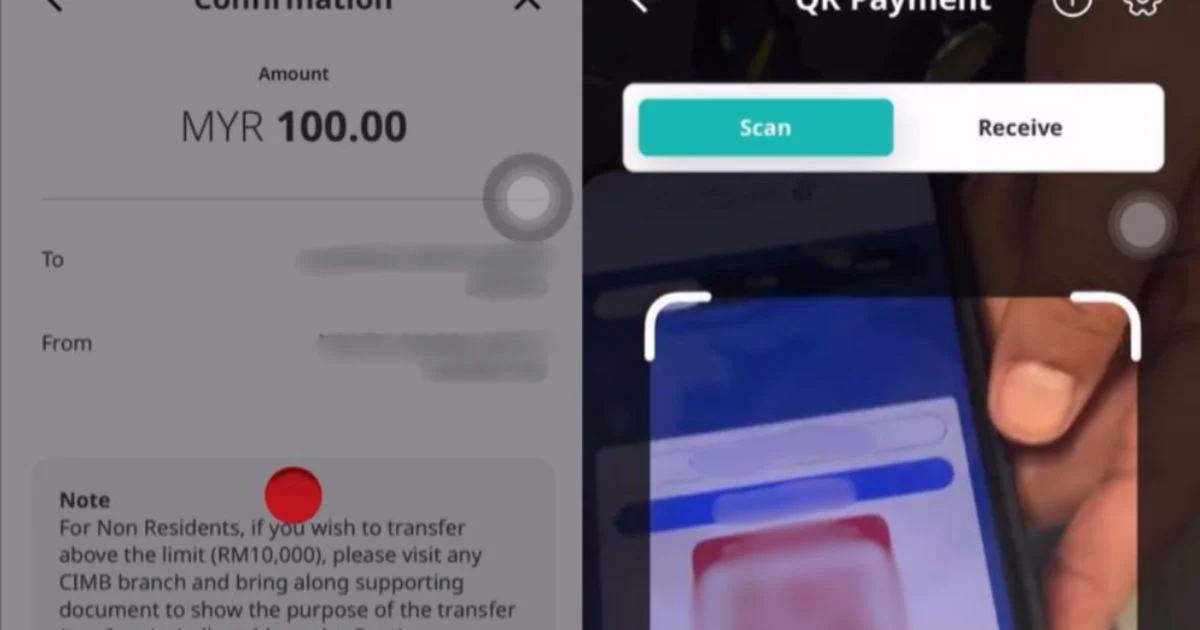
Malaysia's newly established border enforcement body has opened an internal investigation into claims that one of its officers stationed at Kuala Lumpur International Airport has been accepting unauthorized personal payments from travellers. The Malaysian Border Control and Protection Agency, which oversees border security operations nationwide, is examining allegations that the official at KLIA Terminal 2 collected RM100 via a personal QR code transaction—a digital payment method increasingly common across Malaysia—rather than through official government channels.
The incident underscores growing concerns about improper conduct among frontline immigration and customs personnel at the country's busiest international gateway. KLIA Terminal 2 processes thousands of passengers daily, making it a critical touchpoint for Malaysia's tourism and trade sectors. The allegation, if substantiated, would constitute a serious breach of professional ethics and potentially violate anti-corruption statutes that govern public servants handling passenger interactions.
The emergence of QR code payment allegations reflects how digital transaction methods have created new vulnerabilities in oversight systems. Traditional cash or card-based misconduct might be easier to detect through physical record-keeping, but the proliferation of peer-to-peer payment platforms and personal digital wallets has introduced a challenge for authorities seeking to maintain transparency and accountability at border checkpoints. The alleged use of a personal QR code suggests the officer may have attempted to circumvent official payment channels entirely.
Internal investigations by government agencies in Malaysia typically examine the circumstances surrounding alleged misconduct, interview relevant parties, and determine whether disciplinary action is warranted. The outcome could range from formal warnings to suspension or termination, depending on the severity of findings and the officer's prior record. Such probes also inform broader reviews of standard operating procedures and oversight mechanisms within the organization.
The MCBA itself, a relatively recent consolidation of border control functions, has faced mounting scrutiny regarding operational efficiency and personnel conduct. Establishing credibility and public trust remains critical for the agency as it solidifies its institutional mandate. Cases involving alleged officer misconduct can damage confidence among both international travellers and domestic stakeholders who depend on efficient, corruption-free border operations.
For the travel and aviation industry in Malaysia, such incidents carry broader implications. Passengers and tour operators concerned about unexpected charges or unofficial requests at border control points may reconsider travel plans or face anxiety during airport procedures. International airlines and hospitality providers have long flagged the importance of streamlined, transparent border processes as a competitive advantage in attracting regional and long-haul tourism.
The timing of this investigation also intersects with Malaysia's broader digital transformation agenda. As the nation expands cashless and contactless payment systems, regulatory bodies must ensure that legitimate digitalization efforts do not inadvertently create loopholes for misconduct. Government departments are increasingly encouraged to facilitate digital transactions, but such modernization must be accompanied by robust audit trails and centralized monitoring systems.
Quick-response codes have become ubiquitous payment tools across Southeast Asia, used by street vendors, restaurants, ride-sharing drivers, and retailers. Their convenience has made them attractive for legitimate business; however, the same accessibility makes them vulnerable to misuse when personal financial interests conflict with professional duties. The alleged incident highlights the need for clear internal guidance on which payment methods are permissible in official transactions and how officers should direct passengers to proper channels.
The investigation will likely examine whether the officer acted alone or as part of a broader pattern, what circumstances prompted the transaction, and whether the passenger involved filed a formal complaint or if the matter was discovered through routine audits. Cooperation from witnesses and passengers will be essential to establishing facts. The MCBA may also review surveillance footage from Terminal 2 if available and cross-reference transaction records.
Beyond the immediate investigation, this case signals a need for enhanced training, clearer protocols, and stronger internal controls across Malaysia's border agencies. Periodic integrity assessments, spot audits of officer interactions, and accessible complaint mechanisms can help detect and deter similar misconduct. Transparency in handling such cases—communicating findings and corrective measures to the public and industry stakeholders—also demonstrates institutional commitment to accountability.
The broader context matters too: as Malaysia competes regionally for international travellers and investment, reputation for orderly, professional border administration directly influences perceptions of the country. A single officer's alleged misconduct may seem isolated, but it can undermine confidence in national systems if not addressed swiftly and decisively. The MCBA's willingness to investigate and act sends an important signal to both personnel and the travelling public.
For Malaysian readers and those familiar with KLIA operations, the message is that oversight mechanisms exist and are being applied. For international travellers, it reinforces the importance of understanding their rights at border checkpoints and of documenting unusual requests or payments. As the investigation unfolds, its outcomes will likely inform policy adjustments and reinforce standards across Malaysia's immigration and border control workforce.

