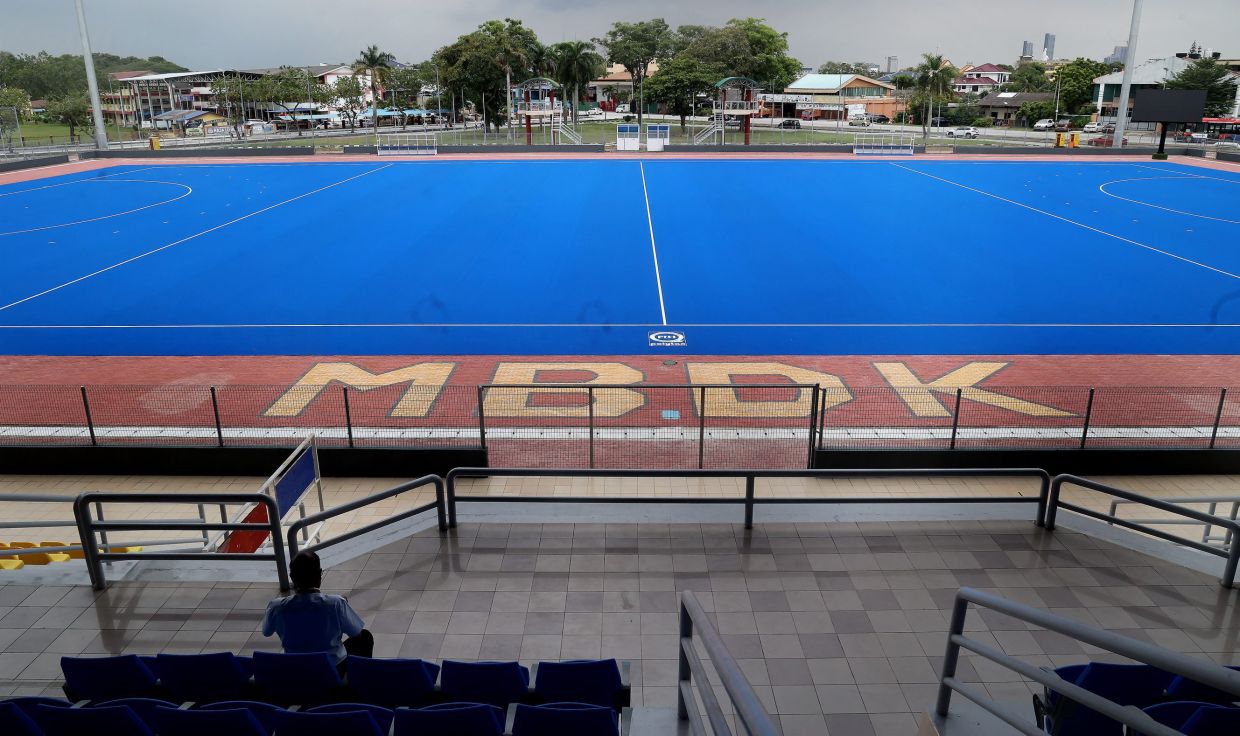
Klang Royal City Council (MBDK) has announced plans to partner with the Selangor Hockey Association (SHA) to manage and operate the refurbished Pandamaran Hockey Stadium, signalling a commitment to professional stewardship of the facility. The decision reflects MBDK's recognition that the venue—located between Jalan Sukma and Jalan Raja Lumu in Pandamaran, Port Klang—represents more than just a sports facility; it is a strategic public asset requiring sophisticated management practices. Klang mayor Datuk Abd Hamid Hussain explained that entrusting SHA with operational responsibility would ensure the stadium meets contemporary standards of professionalism, efficiency, and long-term viability.
The municipality invested approximately RM9 million in the stadium's comprehensive refurbishment, undertaking a renewal that encompassed multiple infrastructure upgrades and facility enhancements. A soft launch was held on the announced date at 5pm, followed by a demonstration match serving as preparation for Sukma 2026, the multi-sport regional competition scheduled to unfold across Selangor. The 22nd iteration of the games will run from August 15 to 24, 2026, with the accompanying Para Sukma competition following immediately thereafter from September 5 to 10. This timeline underscores the urgency and strategic importance of ensuring the venue is fully operational and certified for international standards before the event.
MBDK intends to establish a structured stadium management framework that will address the full spectrum of operational demands. The dedicated team will oversee daily operations, maintenance protocols, security arrangements, promotional activities, and booking administration—an approach designed to eliminate ad-hoc management practices and introduce systematic procedures. Abd Hamid emphasised that this managerial architecture would guarantee meticulous preservation of all facility components, ranging from the synthetic playing surface and sophisticated drainage infrastructure to the floodlighting systems, electronic scoreboard apparatus, athlete changing facilities, and ancillary amenities. Such comprehensive maintenance protocols are essential for sustaining facility longevity and ensuring consistent readiness for competitive matches.
A particularly significant achievement underpinning the stadium's credentials is its certification by the International Hockey Federation (FIH), a distinction that positions Pandamaran among a selective group of facilities meeting worldwide competitive standards. The certification, which remains valid until July 2, 2029, validates the stadium's compliance with rigorous international specifications and qualifies the venue to host elite-level hockey tournaments capable of generating live global broadcast coverage. This accreditation represents the culmination of collaborative efforts among multiple stakeholders committed to elevating Klang's sporting infrastructure to world-class status.
The refurbishment project exemplifies a broader strategic perspective regarding infrastructure investment in Malaysian cities. Rather than viewing the RM9 million expenditure as a short-term budget allocation, MBDK frames the initiative as a long-term investment positioned to generate substantive returns through accelerated sports development, enhanced community wellbeing, and catalysed local economic expansion. This philosophical reorientation—treating sports infrastructure as an economic development tool rather than a discretionary expense—reflects contemporary approaches adopted by progressive local authorities across Southeast Asia seeking to leverage competitive advantages.
For Klang specifically, international certification and professional management create conditions for the municipality to position itself as an emerging centre for both national and international hockey competitions. The strategic implications extend beyond individual sporting events; by establishing credible hosting capacity, Klang enhances its attractiveness to national federations, international sporting bodies, and event organisers considering Malaysian venues for major tournaments. This competitive positioning within the regional sports landscape can generate sustained economic activity through visitor expenditure, accommodate sports tourism sector growth, and incrementally strengthen Klang's international profile within the global sporting community.
The partnership between MBDK and SHA represents a significant governance development in Malaysian sports management. Rather than the council attempting to independently operate specialised sporting facilities, the collaboration channels expertise and institutional knowledge from the sport-specific association, creating a model that other Malaysian municipalities might emulate. SHA's involvement ensures that operational decisions reflect the authentic requirements of competitive hockey, rather than generic facility management practices that may not account for sport-specific technical needs or athlete welfare considerations.
The timing of this initiative aligns precisely with Malaysia's regional sporting calendar. Sukma 2026 serves as both a catalyst for infrastructure development and a performance benchmark demonstrating the operational readiness of newly refurbished facilities. By completing the Pandamaran Stadium refurbishment and establishing professional management protocols well ahead of the games, MBDK provides itself with a testing ground to identify and rectify operational challenges before hosting a massive regional sporting event. This preparatory approach minimises the risk of last-minute complications that have historically affected Malaysian venue management during major competitions.
The international recognition granted by FIH certification carries significance that extends beyond technical compliance verification. For Malaysian sports governance, such certification demonstrates that domestic facilities can meet stringent international specifications without requiring overseas hosting of national sporting events or elite-level competitions. This capability supports Malaysia's broader sporting ambitions and reduces the perception that world-class sports infrastructure exists exclusively outside the country. Enhanced domestic hosting capacity potentially strengthens Malaysia's competitive position when bidding for future regional and international sporting events.
Moving forward, the success of this management model will depend substantially on how effectively SHA executes operational responsibilities and whether MBDK provides consistent financial support for maintenance, staff development, and facility upgrades. The five-year certification validity period creates a natural review window for assessing whether the partnership has delivered anticipated outcomes regarding infrastructure preservation, competitive hosting success, and community engagement. Beyond the specific Pandamaran case, this arrangement offers valuable insights into how Malaysian local authorities can modernise sports facility governance by harnessing specialised sector expertise rather than attempting comprehensive in-house management of technically demanding installations.

