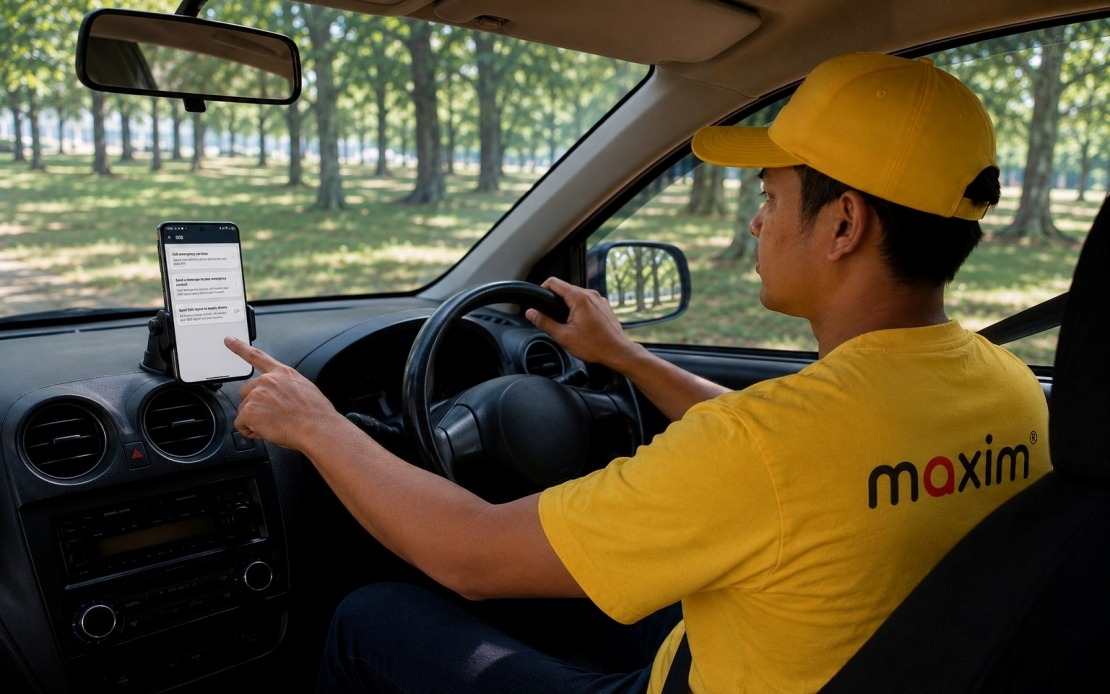
Ride-hailing platform Maxim Malaysia is strengthening its commitment to user safety by rolling out a comprehensive overhaul of its emergency response capabilities. The upgrade introduces a standardised SOS button accessible to both drivers and passengers, marking a significant step toward more equitable safety protections across the platform. The enhanced system enables users to obtain help faster during critical situations, addressing growing concerns about safety in the gig economy and ride-sharing sectors across Southeast Asia.
The redesigned SOS functionality now offers flexibility that was previously absent. Users can choose to either connect directly with Malaysia's 999 emergency hotline or send instant alerts to up to three pre-registered emergency contacts depending on the nature of their situation. This dual-pathway approach acknowledges that not all emergencies require police intervention, and allows riders and drivers to exercise judgment about who should be notified first. The speed of response is critical—both pathways are designed to be executed within seconds, reducing the precious lag time that can determine outcomes in genuine emergencies.
A particularly innovative element of the upgrade is the Driver Alert System, which functions as a peer-support network for Maxim's driver-partners. When a driver encounters an emergency, the system broadcasts a notification to other drivers operating within a three-kilometre radius, including details about the type of incident and its precise location. This creates a localised community response mechanism that can provide initial assistance while professional emergency services make their way to the scene. For a country as geographically diverse as Malaysia, where response times can vary significantly between urban and rural areas, this feature offers meaningful protection for drivers who might otherwise wait extended periods for official help.
The technical infrastructure supporting these features reflects modern security standards. All alerts transmitted through the system, including GPS coordinates and live trip-tracking links, are encrypted and accessible only to authorised personnel and relevant authorities through established protocols. Critically, the system continues to function even when internet connectivity is unstable—a crucial consideration in Malaysia where network coverage can be inconsistent, particularly in certain regions. SMS-based delivery of location data ensures that emergency contacts receive information through a reliable, universally accessible channel rather than depending solely on data connectivity.
Maxim Malaysia's director Mohd Hazwan Musli emphasised that the enhancements reflect the platform's philosophy that safety is not a one-size-fits-all matter. The ability to select different response pathways—notifying loved ones, professional rescuers, or neighbouring drivers—acknowledges the diverse circumstances drivers and passengers might face. A passenger feeling unsafe during a ride may prioritise immediate family notification, while a driver experiencing vehicle trouble might benefit most from nearby driver assistance before authorities arrive. The flexibility to make this choice rapidly could prove critical when seconds matter.
Passengers receive additional safeguards through the platform's existing features, which have been integrated with the new SOS framework. The Trip Sharing feature allows riders to send real-time journey links to family members or friends immediately upon entering a vehicle, creating a transparent record of their movements. This feature is particularly valued by female users and those travelling alone, providing psychological reassurance and creating an accountability mechanism that deters potential misconduct. The secure in-app messaging system further protects users by enabling direct communication while screening for fraudulent interactions.
Internal trip monitoring represents another layer of protection, with the system continuously tracking essential journey information including GPS coordinates for every booking. This creates a comprehensive digital record of every transaction, serving multiple purposes: it helps resolve disputes, provides evidence in cases of misconduct, and enables the platform to identify patterns that might indicate systematic problems. For Malaysian regulators seeking to ensure accountability in the ride-sharing sector, such monitoring capabilities provide visibility that was previously unavailable.
The timing of Maxim's safety upgrades reflects broader industry trends and regulatory pressure. As ride-sharing platforms have become integral to urban mobility in Malaysia and across Southeast Asia, passenger and driver safety has emerged as a critical focal point for both consumers and authorities. Incidents involving safety failures have periodically generated public outcry and prompted regulatory scrutiny. By proactively enhancing safety features, Maxim is positioning itself as a responsible player in a sector where trust and security directly influence user adoption and retention.
For Malaysian passengers and drivers, these upgrades carry practical implications. Commuters using Maxim can now proceed with greater confidence that help is genuinely accessible during emergencies. Female passengers, who represent a growing segment of ride-sharing users, particularly benefit from the flexibility to alert trusted contacts rather than waiting for official responses. Driver-partners, who often work extended hours and may find themselves vulnerable in isolated locations or unfamiliar areas, gain a community-based safety net that supplements formal emergency services.
The implementation of these features also signals evolving expectations around gig economy platform responsibilities. As Malaysian consumers become more sophisticated in their use of technology and more aware of their rights, platforms face pressure to demonstrate that they take user safety seriously through concrete, functional measures rather than merely rhetorical commitments. Maxim's investment in these upgrades suggests the company recognises that safety is not merely an ethical obligation but a competitive advantage in an increasingly crowded market where platforms vie for user loyalty.
Looking forward, these enhancements may establish new baseline expectations for safety features across the ride-sharing industry in Malaysia. Competing platforms will likely feel compelled to match or exceed these capabilities, creating an upward cycle of safety improvements. The standardisation of SOS buttons for both drivers and passengers also addresses a historical imbalance where drivers sometimes lacked the protective features available to passengers, recognising that both parties face distinct but genuine safety risks.
The broader context for these upgrades extends beyond individual user protection to include Malaysian authorities' ongoing efforts to regulate digital platforms effectively. As the regulatory environment matures, platforms that demonstrate robust safety infrastructure and transparent operations gain credibility with regulators and the public. Maxim's proactive approach may facilitate smoother regulatory relationships and build the trust necessary for sustained growth in a sector that remains occasionally controversial.

