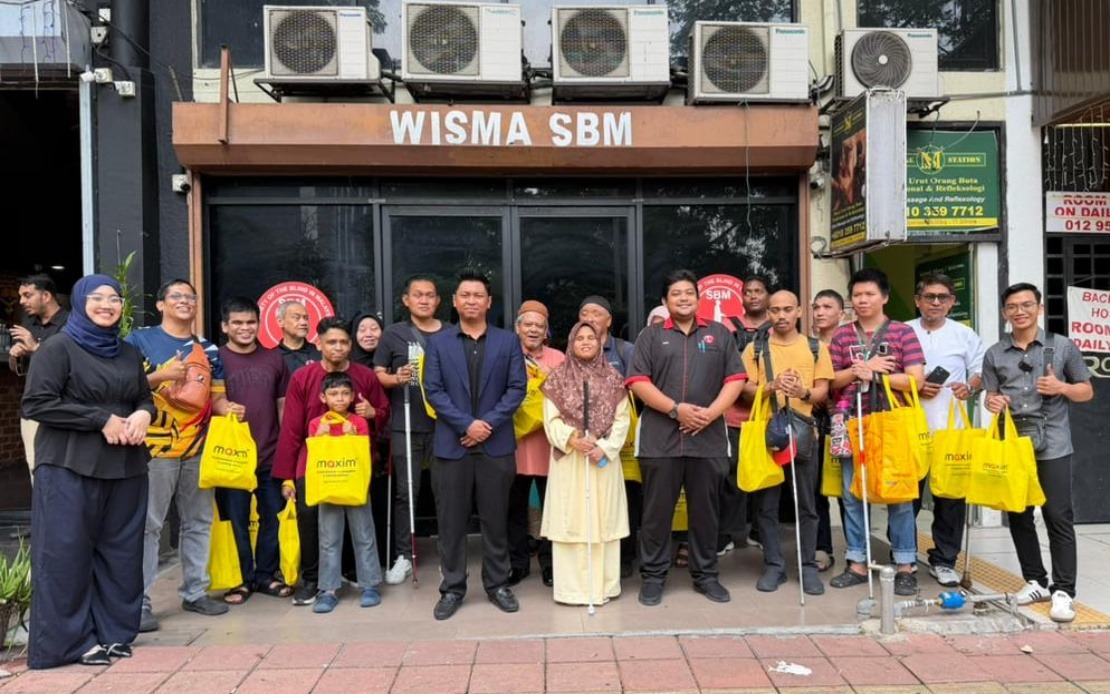
The e-hailing sector in Malaysia is increasingly recognizing its role in social inclusion, with platform Maxim announcing an expanded commitment to serve persons with disabilities, elderly citizens, low-income families, and other underserved populations through a combination of discounted fares, technological innovation, and strategic organizational partnerships. Syed Abdul Syarif Syed Peiaru, the company's Kuala Lumpur head, articulated this vision during a recent question-and-answer session, framing transportation not merely as a conveyance service but as a fundamental enabler of opportunity and independence for all Malaysians regardless of socioeconomic or physical circumstance.
The underlying philosophy driving Maxim's inclusive mobility strategy rests on a recognition that reliable transportation unlocks tangible life outcomes. When individuals gain dependable access to rides, they gain the practical ability to pursue formal education, secure employment opportunities, access medical services, and participate meaningfully in civic and social activities. For persons with disabilities in particular, the removal of mobility barriers directly translates into greater autonomy and reduced reliance on informal support networks. Syed Abdul Syarif emphasized that transportation should fundamentally empower individuals rather than constrain them, positioning the company's accessibility work as integral to broader development outcomes rather than peripheral corporate philanthropy.
Central to Maxim's accessibility approach is the Mesra OKU service, a specialized offering designed specifically for persons with disabilities. The service incorporates extended waiting periods to accommodate boarding challenges, driver training to assist passengers safely, dedicated mobility aid support, and voice-recognition booking capabilities that eliminate navigation barriers for users with visual impairments. Passengers activate these supports directly through the mobile application by indicating their specific assistance requirements, enabling drivers to prepare appropriately and deliver personalized service throughout each journey. This feature-based approach demonstrates how thoughtful technology design can meaningfully reduce friction points in service delivery.
Technological innovation underpins much of Maxim's accessibility strategy, with the platform working to simplify the booking process through transparent fare display, real-time driver location visibility, and straightforward transaction completion. The company has specifically partnered with the Society of the Blind in Malaysia to promote voice-guided features such as TalkBack, ensuring that visually impaired users can navigate the application independently and discover mobility solutions tailored to their needs. As digital capabilities expand, Maxim signals its intention to introduce additional features that further reduce accessibility friction, though the company's current roadmap remains partially undisclosed.
Beyond technological features, Maxim has instituted targeted pricing mechanisms designed to maintain affordability for vulnerable populations. Special fares for persons with disabilities and individuals with special needs ensure that transportation costs remain manageable even as fuel and operational expenses fluctuate. This pricing strategy reflects an understanding that accessibility encompasses not only physical or sensory accommodation but also financial accessibility, recognizing that many underserved populations operate with compressed household budgets where transportation costs significantly impact overall expenditure patterns.
The company's partnership strategy extends accessibility reach beyond its own platform. Maxim has cultivated relationships with hospitals, educational institutions, non-governmental organizations, and community-serving entities to ensure that essential services remain geographically and practically accessible to vulnerable populations. These partnerships create referral mechanisms and integrated service networks where vulnerable populations learn about mobility options through trusted intermediaries rather than through conventional marketing channels. Such collaboration also enables community organizations to better serve their constituencies by eliminating transportation obstacles that previously prevented service access.
Maxim's inclusive vision extends into the sporting arena, demonstrating that accessibility concerns span beyond conventional daily transportation needs. The company has provided transport support for para-athletes and adaptive sports communities, including sponsoring transportation for Sarawak para swimmers attending training sessions and competitive events. This sporting engagement signals recognition that meaningful inclusion requires supporting individuals across the full spectrum of human activity, from employment and education to recreational and competitive pursuits that enhance quality of life and social connection.
The Malaysian context renders this accessibility focus particularly significant. As the nation's urban centers expand and rural-urban migration patterns intensify, transportation accessibility increasingly determines whether individuals can fully participate in economic and social opportunities. For seniors aging in place, accessible mobility options reduce social isolation and enable continued community engagement. For persons with disabilities, transportation access often represents the critical bottleneck preventing employment and educational participation despite other accommodations being available. For low-income families, reduced transportation costs directly expand resources available for other essentials including healthcare, education, and basic necessities.
Maxim's stated commitment to work collaboratively with government agencies, healthcare providers, NGOs, educational institutions, and community organizations positions the company within broader national inclusion frameworks. This multi-stakeholder approach suggests that sustainable accessibility requires coordination across sectors rather than reliance on individual corporate initiatives alone. Whether these partnerships will generate measurable outcomes in transportation access metrics remains to be established, though the commitment to ongoing community engagement and needs assessment indicates receptiveness to feedback and course correction.
The e-hailing sector's growing attention to accessibility reflects shifting market understanding alongside normative progress. As the sector matures beyond initial growth phases, companies recognize that underserved populations represent both genuine market opportunities and constituencies whose service is socially essential. This convergence of social impact and business sustainability creates conditions where accessibility investments align with long-term company interests rather than representing pure corporate obligation. For Malaysian consumers in underserved populations, this dynamic potentially creates conditions where transportation access improves through competitive differentiation rather than regulatory mandate, though regulatory clarity around accessibility requirements would likely accelerate industry-wide progress and establish clearer accountability standards.

