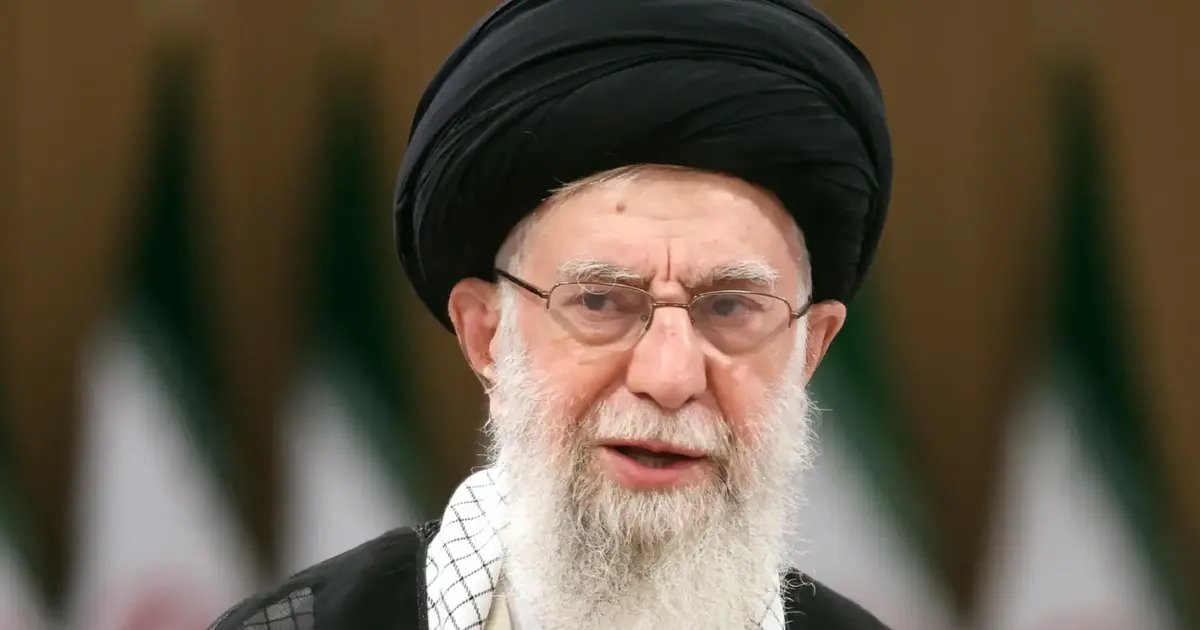
Malaysia's Agriculture and Food Security Minister Mohamad Sabu has been designated to represent the nation at the funeral of Iran's Supreme Leader Ayatollah Ali Khamenei, Prime Minister Anwar Ibrahim announced. The funeral is scheduled to take place in Tehran, with Sabu expected to travel imminently to fulfil this diplomatic obligation.
The decision to dispatch Sabu reflects Malaysia's diplomatic protocol in paying respects to senior international leaders, a standard practice observed across nations when prominent foreign officials pass away. As a cabinet minister with significant standing in government, Sabu's selection underscores the importance Malaysia places on maintaining its relationship with Iran, particularly at a sensitive moment following Khamenei's death.
The appointment carries particular significance given the growing economic and strategic ties between Malaysia and Iran. Both nations have engaged in various bilateral discussions spanning trade, agriculture, and regional cooperation. By sending a senior cabinet member rather than merely a ceremonial delegation, Malaysia signals the seriousness with which it regards its connection to the Islamic Republic.
Sabu's designation as Malaysia's representative holds additional weight within the Malaysian political context. As the minister overseeing agriculture and food security—portfolios affecting millions of Malaysians—his presence at this international event also demonstrates the government's commitment to maintaining relationships that could have bearing on Malaysia's food supply chains and agricultural partnerships throughout the region.
Iran has historically maintained significant influence across the Middle East and parts of Asia through its religious and political leadership structure. Khamenei's death represents a major transition for the Islamic Republic and its sphere of influence. Malaysia's participation in the funeral proceedings, through official representation, acknowledges both the historical importance of this transition and Malaysia's position as a respected voice within the Islamic world.
The funeral itself is expected to draw dignitaries and representatives from numerous nations, many of whom will use the occasion not only to pay respects but also to engage in bilateral discussions and demonstrate their countries' stance on Iran's continued role in regional affairs. Malaysia's visible presence ensures that the country remains active in international forums and maintains open channels of communication with major Middle Eastern powers.
From a Malaysian perspective, maintaining cordial relations with Iran carries several advantages. The two nations have explored cooperation in areas ranging from palm oil trade to educational exchanges and cultural initiatives. A strong diplomatic presence at significant Iranian events helps reinforce these relationships and may create opportunities for future economic partnerships.
Anwar's announcement of Sabu's attendance reflects broader patterns in Malaysian foreign policy under his premiership, which has emphasised constructive engagement with diverse nations across different regions and political systems. Malaysia, as a Muslim-majority democracy with significant regional influence, often positions itself as a bridge builder in international relations.
The timing of this diplomatic gesture also matters within regional dynamics. Malaysia's willingness to send a senior minister demonstrates that the country is not withdrawing from Middle Eastern affairs despite challenges elsewhere in its portfolio. This signals continuity in Malaysia's foreign policy approach and reinforces its credentials as a serious participant in international diplomacy.
Sabu's trip to Tehran will be undertaken alongside Malaysia's broader efforts to engage constructively with regional powers. The visit provides an opportunity for Malaysia to reaffirm its commitment to interfaith dialogue and coexistence, principles that the Anwar-led government has emphasised since taking office.
The representation at the funeral also offers Malaysia a chance to assess any potential changes in Iran's political leadership and policy direction following this transition. Observing key developments in Iranian politics firsthand, through Sabu's attendance, allows Malaysia to adjust its diplomatic and economic strategies accordingly.
For Malaysian readers, the significance lies not merely in ceremonial courtesy but in how this representation positions the nation within broader Asian and Middle Eastern diplomatic networks. As regional powers jockey for influence and partnerships, Malaysia's active participation in significant international events reinforces its relevance and agency in shaping regional outcomes.

