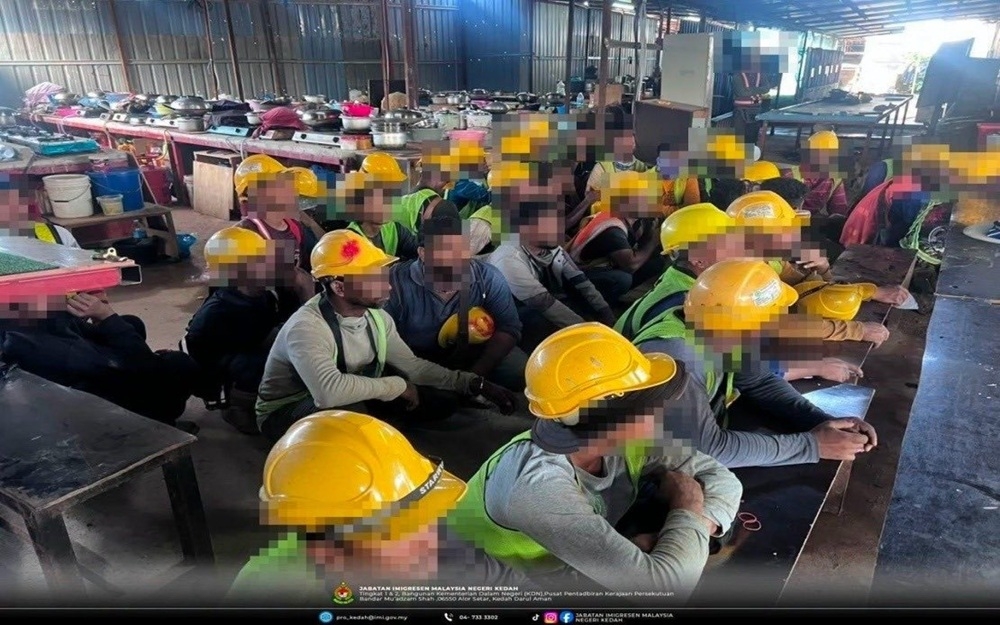
In a significant crackdown on illegal immigration, authorities in Kedah have apprehended 81 undocumented migrants working at a construction site in Alor Setar as part of the ongoing Ops Sapu enforcement initiative. The operation, conducted by the Kedah Immigration Department, underscores the persistent challenge of undocumented workers infiltrating Malaysia's construction sector, a labour-intensive industry that remains particularly vulnerable to exploitation and illegal hiring practices.
Ops Sapu, a nationwide operation targeting undocumented migrants and employment violations, has become a cornerstone of Malaysia's immigration enforcement strategy. The scale of this single operation—involving the arrest of more than eight dozen individuals at one location—highlights both the effectiveness of targeted operations and the widespread nature of illegal employment in the construction industry. These raids typically focus on high-risk sectors where migrant workers congregate, including construction sites, factories, plantations, and domestic service environments.
The construction sector has long been identified as a magnet for undocumented workers seeking employment. Many employers in the industry operate without proper documentation systems or overlook immigration status requirements, creating a ready market for illegal labour. Workers themselves, often fleeing poverty or displacement in their home countries, find construction sites attractive because of relatively accessible entry and minimal background checks. This dynamic creates a self-perpetuating cycle where both supply and demand fuel illegal migration flows into Malaysia.
The ramifications of such large-scale employment of undocumented workers extend beyond mere regulatory violations. When undocumented migrants work without proper contracts or labour protections, they become susceptible to wage theft, unsafe working conditions, and exploitation by unscrupulous employers. The Malaysian construction industry has faced international scrutiny regarding worker treatment and safety standards, and the prevalence of undocumented employment compounds these concerns by removing workers from formal protections and oversight mechanisms.
For Malaysia's broader immigration management strategy, operations like this in Kedah serve multiple objectives simultaneously. They deter potential illegal migrants by demonstrating enforcement capacity, they punish employers who knowingly hire undocumented workers, and they gather intelligence about trafficking networks and smuggling routes. The targeting of construction sites specifically sends a message to the industry that immigration compliance will be monitored and violations prosecuted.
The economic impact of this enforcement activity also warrants consideration. Malaysia's construction sector, while needing labour, faces tensions between cost pressures and compliance requirements. Undocumented workers, exploited and underpaid, artificially suppress labour costs and create unfair competition for legitimate employers who maintain proper hiring practices and insurance coverage. By removing undocumented workers from the labour pool, enforcement operations theoretically level the playing field, though such effects are often temporary without sustained pressure.
Kedah, as a northern state with significant manufacturing and construction activity, faces particular pressures from migrant flows. The state's geographic proximity to Thailand and its role as a transhipment point for goods and labour make it strategically important for immigration control. The Kedah Immigration Department's operation reflects both local initiative and alignment with national directives to intensify enforcement during high-risk periods or in high-risk sectors.
Following such arrests, the detained individuals typically face processing that includes documentation review, background checks, and eventual deportation proceedings. Malaysia's immigration system, while regularly executing large-scale deportations, remains strained by the sheer volume of undocumented migrants. Detention facilities, processing systems, and coordination with origin countries all present logistical challenges that slow the complete resolution of cases.
The sustainability of enforcement operations like Ops Sapu depends on consistent political will and adequate resourcing. Immigration departments must balance enforcement objectives with operational capacity, meaning even well-intentioned crackdowns produce temporary impacts unless complemented by systemic reforms. Employers' registration and compliance verification systems, worker documentation portals, and workplace inspections all require investment and coordination across government agencies.
For construction companies operating legitimately in Malaysia, these enforcement operations provide a framework for maintaining standards and ensuring competitive integrity. However, the reliance on periodic raids rather than systematic workplace verification suggests gaps in Malaysia's preventive immigration management infrastructure. As the construction sector continues expanding—particularly with major infrastructure projects planned across multiple states—the challenge of maintaining workforce documentation standards will intensify.
The detention of 81 individuals at a single Kedah site also indicates that undocumented migration operates at industrial scale, not as isolated incidents. Networks supplying undocumented labour to construction sites function as businesses with established recruitment chains, transportation logistics, and employer networks. Disrupting individual sites provides only temporary relief unless enforcement simultaneously targets recruitment networks and employer demand.
Moving forward, the success of operations like this will depend on whether they represent sustained enforcement campaigns or episodic crackdowns. Regional cooperation with Thailand and other neighbouring countries, employer education initiatives, and improvements to Malaysia's worker verification systems will determine whether Ops Sapu achieves meaningful long-term impact on undocumented migration in sectors like construction where demand for labour remains persistently strong and compliance incentives remain weak.

