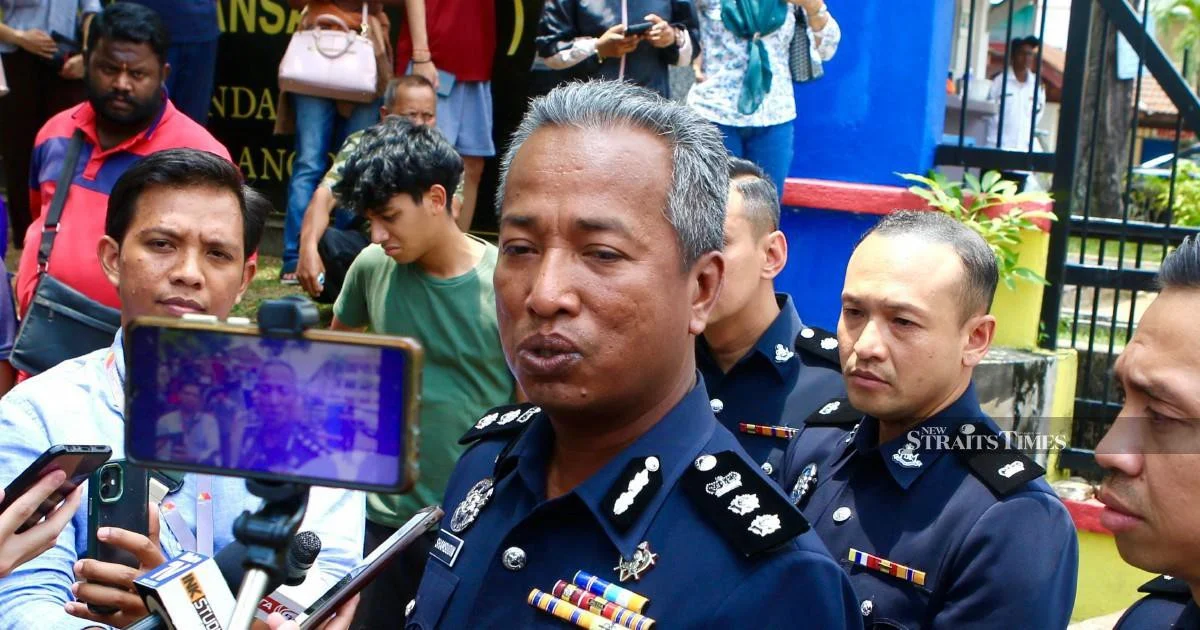
Police in Petaling Jaya have moved swiftly to apprehend a married couple in relation to a three-vehicle collision on the Federal Highway that captured public attention after circulating widely on social media. The arrest marks a significant development in what appears to be a serious traffic incident where the driver allegedly abandoned the scene of the accident, leaving other motorists to deal with the aftermath.
The crash, which involved three vehicles, occurred on one of Malaysia's busiest highway corridors and triggered immediate investigations following its viral spread across online platforms. Such incidents on major routes like the Federal Highway—a critical artery connecting the Klang Valley with other parts of Selangor—often generate significant public concern, particularly when drivers flee the scene rather than render assistance or cooperate with authorities.
Hit-and-run cases have become an increasing concern on Malaysian highways, where busy traffic conditions and multiple lane vehicles create dangerous scenarios. When drivers abandon accident scenes, they not only evade legal responsibility but also prevent the swift clearance of wreckage, medical attention for injured parties, and proper accident documentation. The Federal Highway, traversed daily by hundreds of thousands of commuters, remains a hotspot for such incidents.
The arrest of the couple suggests that police investigations successfully tracked down those responsible through various means, possibly including CCTV footage from cameras installed along the Federal Highway, vehicle registration details, or witness information. Modern traffic surveillance infrastructure has increasingly aided law enforcement in solving hit-and-run cases that might otherwise go unsolved, particularly when viral videos contain identifying details about the vehicle involved.
Leaving the scene of an accident is a serious traffic offence in Malaysia, with potential consequences including fines, licence suspension, and imprisonment. Beyond legal ramifications, such behaviour reflects negatively on road safety culture and community responsibility. Drivers involved in accidents are legally obligated to remain at the scene, exchange particulars with other parties, and cooperate with police investigations.
The involvement of both spouses in this incident raises questions about the circumstances surrounding the crash. Whether both parties were present in the vehicle, their respective roles in the incident, and how responsibility is allocated remain matters for investigation and potential prosecution. Such complications in domestic partnerships involved in traffic incidents can complicate both police investigations and insurance claims.
The viral nature of this accident underscores broader trends in Malaysian traffic incidents gaining rapid social media exposure. Dashcam footage and smartphone videos have transformed traffic accidents from local incidents into matters of public scrutiny within hours. While this visibility can aid investigations, it also creates pressure on authorities to act decisively and can inflame public sentiment before facts are fully established.
Federal Highway incidents continue to challenge traffic management in Malaysia's most developed region. The corridor's heavy traffic volumes, mixed speeds of vehicles, and construction zones create inherent hazards. Compounding these challenges are driver behaviours that compound accident severity, particularly when individuals abandon scenes rather than cooperate with authorities and render assistance.
The arrest represents an important signal about enforcement priorities, demonstrating that despite traffic congestion and resource constraints, Malaysian police remain committed to pursuing hit-and-run offenders. Investigations into such cases require coordination between various agencies, from traffic police to criminal investigators, and depend on cooperation from the public in providing witness testimony and evidence.
For Malaysian motorists, this incident serves as a reminder of both their legal obligations and moral responsibilities when involved in accidents. Remaining at the scene, ensuring the safety of all parties, and providing accurate information to police are fundamental duties that protect both individual legal interests and broader road safety.
As investigations continue and details emerge regarding the circumstances of the crash and the couple's alleged roles, the case will likely proceed through Malaysia's traffic court system. Charges may carry penalties ranging from fines to imprisonment, depending on the severity of injuries or damage caused and whether the fleeing action itself constitutes an aggravating factor in sentencing considerations.
The incident also highlights the effectiveness of public awareness and community vigilance in supporting law enforcement. Hit-and-run cases that might otherwise result in impunity increasingly face police action when public support and digital evidence combine to create investigative momentum. This case demonstrates how viral social media attention, rather than always complicating police work, can sometimes facilitate swift resolution of serious traffic violations.

