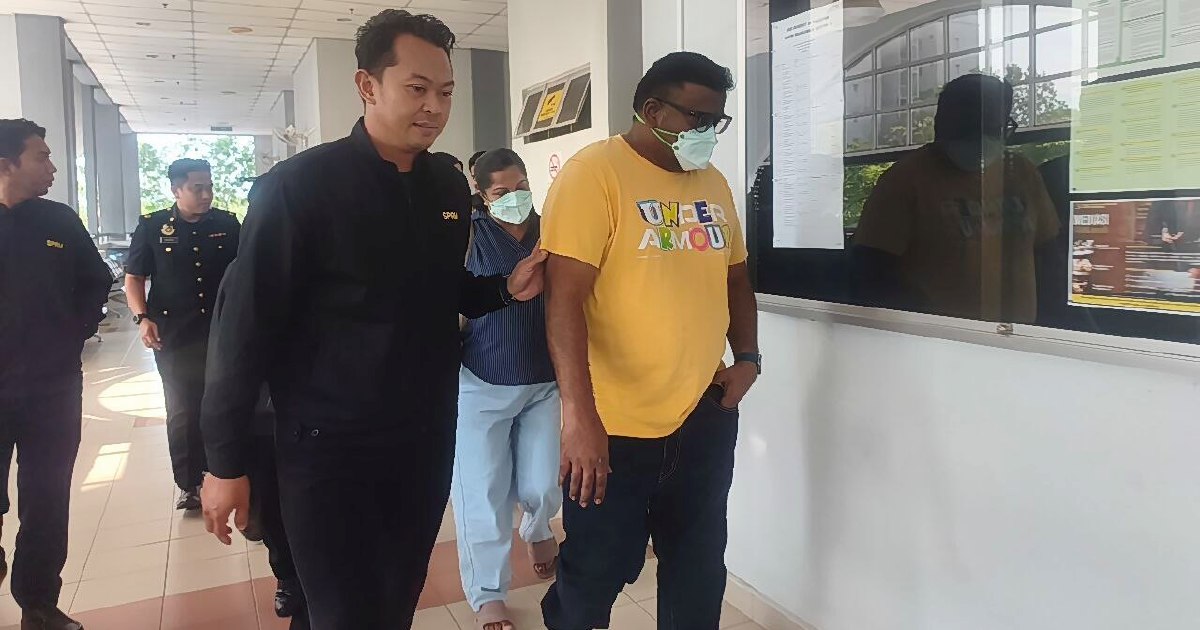
Three defendants, among them a married couple, appeared in the Sessions Court in Seremban to face allegations connected to fraudulent submissions to Malaysia's Social Security Organisation, known as Perkeso. All three individuals maintained their innocence by entering not guilty pleas to the charges laid against them, signalling their intention to contest the prosecution's case throughout the judicial process.
The allegations centre on the submission of false incentive claims, a form of fraud that undermines the integrity of Perkeso's benefit distribution system. Such cases have become increasingly common as authorities seek to protect the organisation's limited resources, which are intended to serve legitimate beneficiaries across the country. The appearance of a married couple among the accused suggests that the fraudulent scheme may have involved coordinated or family-based activity, a pattern that investigators have observed in similar cases.
Perkeso operates as Malaysia's primary social security safety net, providing protection to private sector workers through various schemes including disability insurance, old-age benefits, and occupational accident compensation. The organisation processes thousands of claims annually, making it a potential target for individuals seeking to exploit the system for personal gain. When false claims slip through verification processes, they drain resources that could otherwise support workers facing genuine hardship or workplace-related difficulties.
The prosecution's allegations assert that the defendants either directly submitted fraudulent documentation or assisted others in doing so, knowing that the claims were baseless. The distinction between these roles—principal offender versus abettor—carries different legal implications and potential penalties. Malaysian courts have consistently taken a firm stance against Perkeso fraud, recognising it as a crime that affects the sustainability of the entire social security framework.
The Seremban Sessions Court proceedings represent part of a broader enforcement strategy by Malaysian authorities and Perkeso's own investigation unit. In recent years, the organisation has strengthened its internal audit mechanisms and collaborated more closely with law enforcement agencies to detect irregularities. This multi-agency approach has resulted in an uptick in prosecutions, signalling that fraudsters face genuine risk of conviction and punishment.
The case raises important questions about vulnerability in Perkeso's claims verification system. While the organisation employs compliance officers and conducts random audits, sophisticated fraudsters occasionally develop methods to circumvent existing checks. The involvement of a married couple suggests possible exploitation of documentation that appeared legitimate on initial review, or manipulation of records relating to multiple family members' employment or injury status.
For Malaysian workers, such fraud cases carry indirect consequences beyond the criminal justice outcome. When resources are diverted through false claims, legitimate beneficiaries may experience delays in processing their own applications or reduced benefits as the organisation stretches finite resources across a broader population. This particularly affects vulnerable groups including elderly workers, those with disabilities, and families depending on survivor benefits following workplace deaths.
The court proceedings in Seremban will likely extend over several months as both prosecution and defence present their evidence. During this time, investigators may uncover additional details about how the fraudulent claims were constructed, what documentation was forged or falsified, and whether the scheme involved collusion with Perkeso staff members or third-party service providers. Such information could inform future prevention strategies.
The not guilty pleas ensure that the burden remains squarely on the prosecution to prove guilt beyond reasonable doubt, a fundamental principle in Malaysian criminal law. This means the court will require substantial evidence—potentially including bank records, communication logs, medical reports, employment documentation, and witness testimony—to establish the defendants' culpability. The defence will presumably argue that any false claims submitted were either mistakes made in good faith or actions by other parties without the defendants' knowledge or participation.
Regionally, Malaysia's approach to Perkeso fraud enforcement aligns with broader trends across Southeast Asia, where social security systems increasingly face pressure from fraudulent claims. Neighbouring countries have implemented similar prosecutorial responses, suggesting a growing recognition among governments that deterrence and punishment are necessary to protect the viability of these crucial social programmes. The visible pursuit of such cases in courtrooms serves notice to potential offenders that authorities are actively monitoring for fraud.
The outcome of this Seremban case will likely be closely monitored by Perkeso management and enforcement officials across Malaysia. A conviction would reinforce the message that defrauding the social security system carries serious legal consequences. Conversely, an acquittal might reveal gaps in the organisation's investigation procedures or point to systemic vulnerabilities requiring remediation.
Beyond the immediate legal proceedings, this case underscores the importance of public awareness regarding Perkeso fraud. Workers should understand that attempting to claim benefits they are not entitled to—whether as individuals or in cooperation with others—exposes them to criminal prosecution that could result in imprisonment and fines. For employers and third-party agents who handle Perkeso documentation, the stakes are equally high, as complicity in fraudulent claims carries similar legal penalties.

