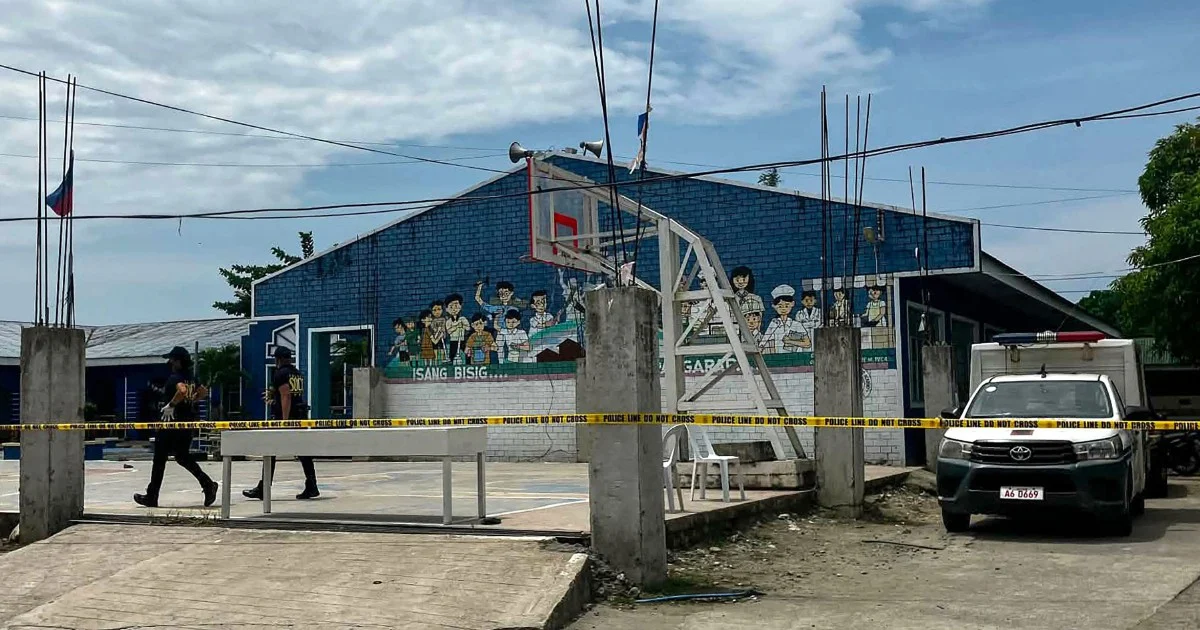
Philippine President Ferdinand Marcos Jr moved swiftly on Monday to order a comprehensive investigation into a shooting incident at a school in Tacloban that claimed the lives of three people and left five others wounded. The directive signals the government's commitment to examining the circumstances surrounding the attack and establishing accountability for the tragedy.
Tacloban, the capital of Leyte province in the Eastern Visayas region, has become the scene of this latest school-based violence incident. The city, which remains deeply familiar with disasters and emergencies, now faces fresh trauma as authorities work to piece together how the shooting unfolded and what motivated the gunman. The presence of a shooting at an educational institution—a space traditionally conceived as a sanctuary for young learners—underscores persistent concerns about public safety and security in the Philippines.
The presidential order for an investigation represents standard procedure in response to mass casualty incidents, yet it also reflects mounting pressure on the administration to address what critics argue is an escalating pattern of armed violence. Tacloban itself carries historical weight: the city was devastated by Typhoon Yolanda in 2013, and more recent years have seen it grapple with various security challenges. Another incident of this magnitude compounds existing concerns about the adequacy of protective measures in public spaces.
The five individuals who sustained injuries during the shooting are currently receiving medical treatment, though details regarding the severity of their conditions remain limited. Their recovery will be closely monitored as authorities proceed with their inquiry. The emotional and psychological toll on the entire school community—students, teachers, and families—extends far beyond the immediate casualty figures, creating lasting impacts that schools and mental health professionals will need to address in the coming months.
For Malaysian observers and Southeast Asian neighbours, the Tacloban incident serves as a sobering reminder of how school violence transcends geographic boundaries within the region. The Philippines, like several ASEAN countries, has grappled with irregular episodes of armed assault in civilian spaces. Each such event prompts regional governments to reassess their own security protocols, firearm regulations, and crisis response mechanisms. The incident raises questions about whether existing preventive measures and early warning systems are sufficiently robust.
The investigation will likely examine multiple dimensions: the shooter's background and grievances, access to weapons, any prior warning signs that were overlooked, and security lapses at the school premises. Philippine authorities will need to determine whether this was an isolated act or part of a broader pattern that suggests systemic vulnerabilities. The findings could have implications for policy recommendations across the education and law enforcement sectors.
Firearm violence in educational settings has been a persistent challenge in the Philippines, prompting periodic calls for stricter gun control measures and enhanced security protocols in schools. The Marcos administration, now well into its second year, faces expectations that it will translate investigative findings into meaningful preventive action. Previous incidents have sometimes faded from public consciousness without delivering substantive reforms, creating frustration among civil society groups advocating for comprehensive safety improvements.
The shooting also reflects broader socio-economic and security dynamics within the Philippines. Leyte province, like many areas outside Metro Manila, faces challenges related to gang activity, weak regulatory enforcement, and limited resources for security infrastructure. These contextual factors often influence the frequency and severity of armed incidents and merit consideration in any serious policy response.
Families of the victims and survivors will likely seek clarity on how this tragedy occurred and what safeguards failed. The investigation must therefore be transparent and accessible to the public, establishing precedent for accountability. Moreover, lessons from this inquiry could inform discussions within regional law enforcement networks and educational institutions across Southeast Asia about best practices in threat assessment and emergency preparedness.
As investigations proceed, the broader question of how the Philippines and neighbouring nations can create safer educational environments while respecting rights and freedoms remains urgent. The school shooting in Tacloban adds to the accumulated evidence that reactive measures alone prove insufficient; comprehensive strategies combining mental health support, firearm regulation, security infrastructure, and community engagement will require sustained political will and resource allocation. President Marcos Jr's investigation order is a necessary first step, but stakeholders across government, civil society, and educational sectors must ensure that findings translate into concrete, implemented reforms that demonstrably reduce the risk of such tragedies recurring.