Majlis Amanah Ramanah Rakyat (MARA) has initiated a comprehensive review of its standard operating procedures governing student outings at Mara Junior Science Colleges (MRSM) in response to the recent disappearance of two Form Four pupils, though the organisation's leadership remains cautious about implementing sweeping restrictions that could hamper the educational experience.
The incident occurred on August 11 when the two 16-year-old students from MRSM Alor Gajah in Melaka went missing after receiving treatment at a health clinic. They were located four days later in the vicinity of Pasar Seni in Kuala Lumpur, marking an outcome that officials have characterised as both concerning and ultimately resolved. One of the girls experienced a panic attack upon discovery and required hospitalisation to manage her distressed state, according to information disclosed by MARA's leadership.
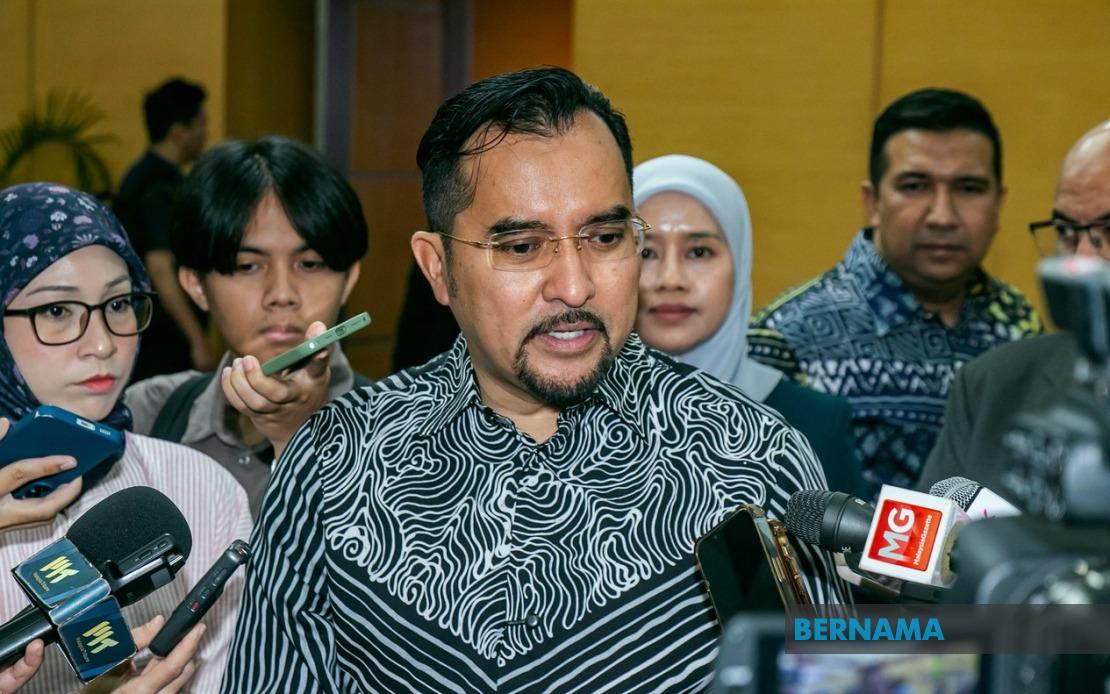
Datuk Dr Asyraf Wajdi Dusuki, who chairs MARA, emphasised during a press briefing following the 2026 pre-departure programme for MARA-sponsored students that the disappearance should be viewed as an exceptional occurrence rather than evidence of systemic failure in institutional safeguarding. His remarks reflected an institutional balancing act between acknowledging genuine security concerns and preserving the developmental opportunities that residential college experiences provide to adolescent students.
The chairman articulated a nuanced position regarding student autonomy and institutional oversight. He highlighted that MRSM students have maintained established privileges allowing them to venture into town on a monthly basis, typically once or twice per month, provided they adhere to specified conditions and do not require accompanying supervision from teaching staff. This arrangement reflects a deliberate educational philosophy that prioritises fostering independence and maturity among residential college participants.
Ayraf Wajdi cautioned against using this isolated incident as justification for regulatory changes that might fundamentally alter the character of programmes and activities that have demonstrated successful operation across MRSM institutions. His perspective suggests concern that overly restrictive measures could undermine the broader developmental mission of these colleges, which extend beyond academic instruction to encompass social and personal growth.
Investigative proceedings into the circumstances surrounding the disappearance remain ongoing, with MARA having been contacted by Alor Gajah police to assist authorities in clarifying details of the incident. However, officials have declined to disclose specific findings from these investigations, citing the need to allow law enforcement complete access to factual information before broader public disclosure occurs. This cautious approach reflects standard procedure in cases involving minors, where investigative sensitivity and potential ongoing complications may necessitate information containment.
The incident carries particular resonance within Malaysia's education sector, where residential colleges like MRSM serve as significant channels for talent development and meritocratic advancement. These institutions educate students from across the country in specialised science-focused curricula, drawing from diverse socioeconomic and geographic backgrounds. The governance frameworks surrounding student movement and safety thus carry implications extending beyond individual institutions to affect national educational policy perspectives.
For Southeast Asian educational administrators more broadly, the MRSM situation illustrates enduring tensions between safeguarding protocols and developmental autonomy. Regional nations operating comparable residential college systems must periodically recalibrate policies following security incidents, seeking to maintain student wellbeing without imposing restrictions that parents and educators perceive as counterproductive to educational objectives. The Malaysian experience demonstrates how institutional leaders attempt navigating these pressures through measured rather than reactive responses.
The disappearance also intersects with contemporary Malaysian discourse surrounding adolescent safety in urban environments. The fact that the students were ultimately located in Kuala Lumpur, a major urban centre several hours from their college, raises questions about mobility patterns among residential college populations and the adequacy of monitoring mechanisms without restricting legitimate movement rights. These considerations will likely feature prominently in MARA's procedural review.
For parents of current and prospective MRSM students, the incident and institutional response carry significance regarding confidence in institutional duty of care. MARA's articulated commitment to investigating current protocols while resisting unnecessary restrictions may resonate positively with constituencies valuing educational independence, whilst potentially generating concern among those prioritising maximum supervision and security measures.
The review process underway at MARA represents an institutional attempt to extract learning from an adverse incident without allowing that incident to precipitate wholesale policy transformation. Whether revised procedures will ultimately prove adequate or require more substantial modification remains contingent upon investigation findings and broader stakeholder consultation processes that MARA has not yet publicly detailed.

