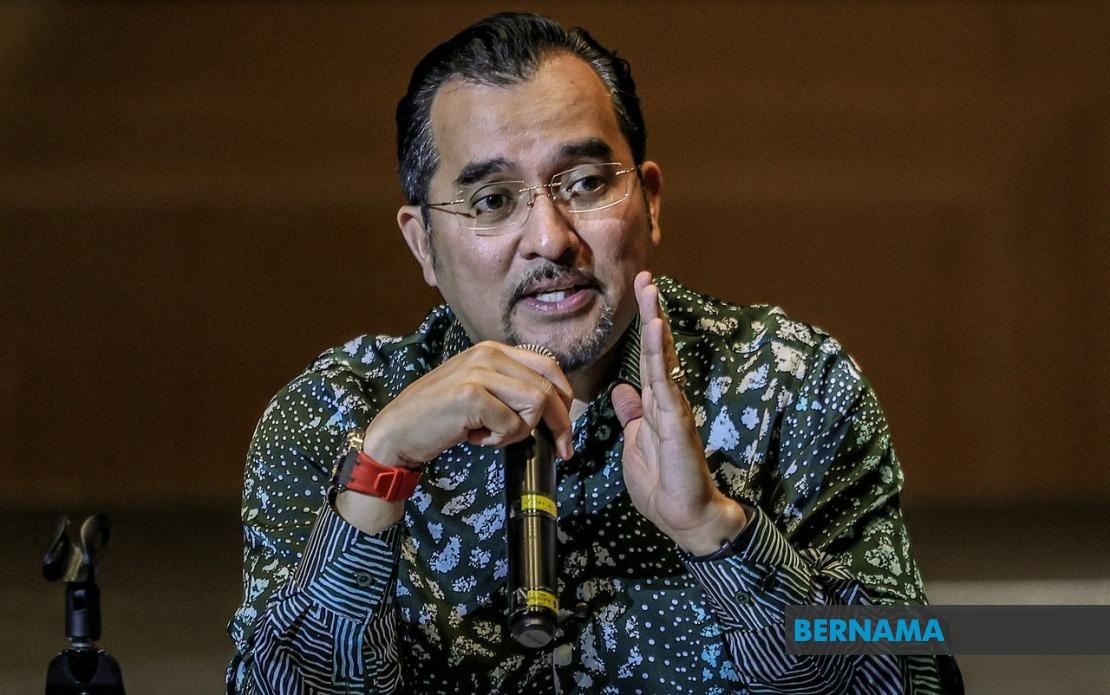
Malaysia's institutional framework for Bumiputera development is poised for significant restructuring with the tabling of the MARA Bill 2026 in Parliament before the close of 2024. The legislation, already endorsed in principle by Cabinet, represents the most comprehensive overhaul of the Majlis Amanah Rakyat since its founding statute in 1966, according to MARA chairman Datuk Dr Asyraf Wajdi Dusuki. The driving force behind these reforms reflects deep-seated concerns about governance lapses that have periodically undermined public confidence in an institution entrusted with safeguarding the economic interests of Malays and Bumiputeras.
The bulk of the Bill's substantive provisions—approximately 80 per cent—concentrate on corporate governance architecture designed to eliminate systemic vulnerabilities. This focus directly addresses historical problems including misuse of authority, structural deficiencies in management oversight, asset misappropriation, procedural irregularities, financial leakages, and operational waste. For Malaysian policymakers and investors monitoring how federal agencies manage Bumiputera programmes, this governance-centric approach signals an acknowledgment that institutional credibility hinges on demonstrable control mechanisms rather than aspirational policy frameworks alone.
A centerpiece of the proposed legislation involves recalibrating the chairman's executive authority. Under the existing MARA Act 1966, the chairman concentrates considerable power in steering both governance and day-to-day operations. The new Bill would narrow this remit, limiting the chairman's formal role to Board or Council chairmanship and policy determination. This restructuring introduces what governance specialists term "separation of powers"—a principle increasingly standard in statutory bodies managing substantial public assets but notably absent from MARA's original framework. The rationale is sound: concentrating strategic oversight and operational management in a single individual creates conditions for unaccountable decision-making, particularly when Board committees lack genuine independence.
The proposed legislation also stipulates that Board members must satisfy "fit and proper" criteria—a requirement common in financial services regulation but heretofore not explicitly mandated at MARA. Additionally, the Bill imposes defined tenure limits on Board service, preventing indefinite appointments that can calcify governance structures and insulate decision-makers from accountability. These measures, while procedural in appearance, carry substantive implications for how MARA responds to allegations of nepotism or cronyism in board appointments, concerns that have periodically surfaced in public discourse surrounding the agency.
Financial governance receives particular emphasis in the draft legislation. The Bill mandates that MARA's financial management and procurement operations conform to both national standards and international best practices. This aspiration towards global benchmarking reflects recognition that Bumiputera enterprises, increasingly competing in integrated regional markets, require stewardship from institutions meeting contemporary transparency and accountability norms. For Malaysian companies seeking to leverage MARA support programmes, such upgrades theoretically enhance the credibility and professional calibre of the institution allocating resources and providing strategic guidance.
Several specialized Board committees would become mandatory under the new framework, including dedicated panels for audit, investment, finance and governance, and risk management. Each committee structure is designed to create specialist oversight of discrete institutional functions, preventing any single authority from unilaterally directing capital allocation, audit findings, or risk assessment—functions historically vulnerable to insider manipulation. The establishment of a dedicated Syariah Committee represents a novel institutional addition, ensuring that MARA's operations remain aligned with Islamic finance principles. This reflects both domestic political expectations and the reality that Bumiputera-oriented enterprises increasingly operate within Islamic finance ecosystems, whether through takaful arrangements, sukuk issuance, or Syariah-compliant investment vehicles.
These governance reforms represent the culmination of systematic restructuring initiated following Datuk Dr Asyraf Wajdi's appointment as MARA chairman on March 10, 2023. Shortly after assuming office, he constituted a specialized task force headed by Tan Sri Muhammad Ibrahim, the former governor of Bank Negara Malaysia. The task force's subsequent recommendations anchored a multifaceted reform programme addressing institutional discipline across MARA's operations. This approach—tasking a former central bank chief with diagnosing institutional malaise—signals seriousness about remediating governance deficiencies, as such expertise carries credibility with both government oversight bodies and market participants assessing institutional reliability.
The remedial measures undertaken since March 2023 encompassed systematic forensic audits of MARA's subsidiary operations, an overdue step that typically uncovers accumulated irregularities and unauthorized expenditures. Parallel to these audits, internal audit functions serving both MARA and its listed subsidiary MARA Corp were consolidated into a unified structure, eliminating opportunities for competing standards or procedural inconsistencies. The procurement division underwent structural reorganization to tighten vendor selection, contract management, and expenditure authorization. These operational reforms, while less visible than legislative amendments, constitute the practical infrastructure supporting governance principles that the Bill will ultimately codify.
Monthly financial performance reporting to the MARA Council now occurs with regularity conforming to international corporate governance standards, replacing what appears to have been a less formalized reporting cadence under the previous regime. This shift—from episodic financial disclosure to systematic monthly monitoring—enables the Council to detect anomalies, track performance against budgets, and intervene promptly should operational metrics diverge from expectations. For a Bumiputera development agency responsible for channeling substantial capital and credit, such reporting discipline carries considerable significance given the scale of resources at stake.
The broader legislative context matters for understanding MARA's reform trajectory. On June 14, Datuk Dr Asyraf Wajdi indicated that amendments to the MARA Act 1966 were designed to modernize the statute and equip MARA with governance structures proportionate to its developmental mission. The half-century-old legislation, drafted in a different regulatory era and institutional environment, necessarily reflects assumptions about organizational best practice that have since evolved substantially. Updating this foundational statute represents not merely procedural housekeeping but a recalibration of how Malaysia's foremost Bumiputera development institution balances its mandate to advance community economic interests with institutional accountability to government and public scrutiny.
The timing of the Bill's anticipated tabling before year-end provides opportunity for parliamentary scrutiny and potential amendments before enactment. For Malaysian stakeholders—whether Bumiputera entrepreneurs reliant on MARA financing, government budget overseers, or opposition parliamentarians monitoring executive accountability—the legislation offers a substantive test of commitment to institutional reform. The Bill's emphasis on structural safeguards, committee independence, and standardized financial reporting reflects acknowledgment that Bumiputera development objectives are best served through institutions governed by transparent, rule-based processes rather than personalized authority concentrations.
Beyond domestic implications, these reforms carry regional significance. Other Southeast Asian governments grappling with how to structure development finance institutions and affirmative action programmes may reference MARA's governance model, particularly if the revised framework demonstrably improves institutional performance and stakeholder confidence. For Malaysian policymakers, the MARA Bill 2026 represents an opportunity to model institutional modernization—translating reform rhetoric into statutory architecture that constrains discretionary authority while enhancing transparency and professional management. Success or failure in implementing these governance provisions will likely influence broader debate about how Malaysia manages statutory bodies entrusted with substantial national economic responsibilities.

