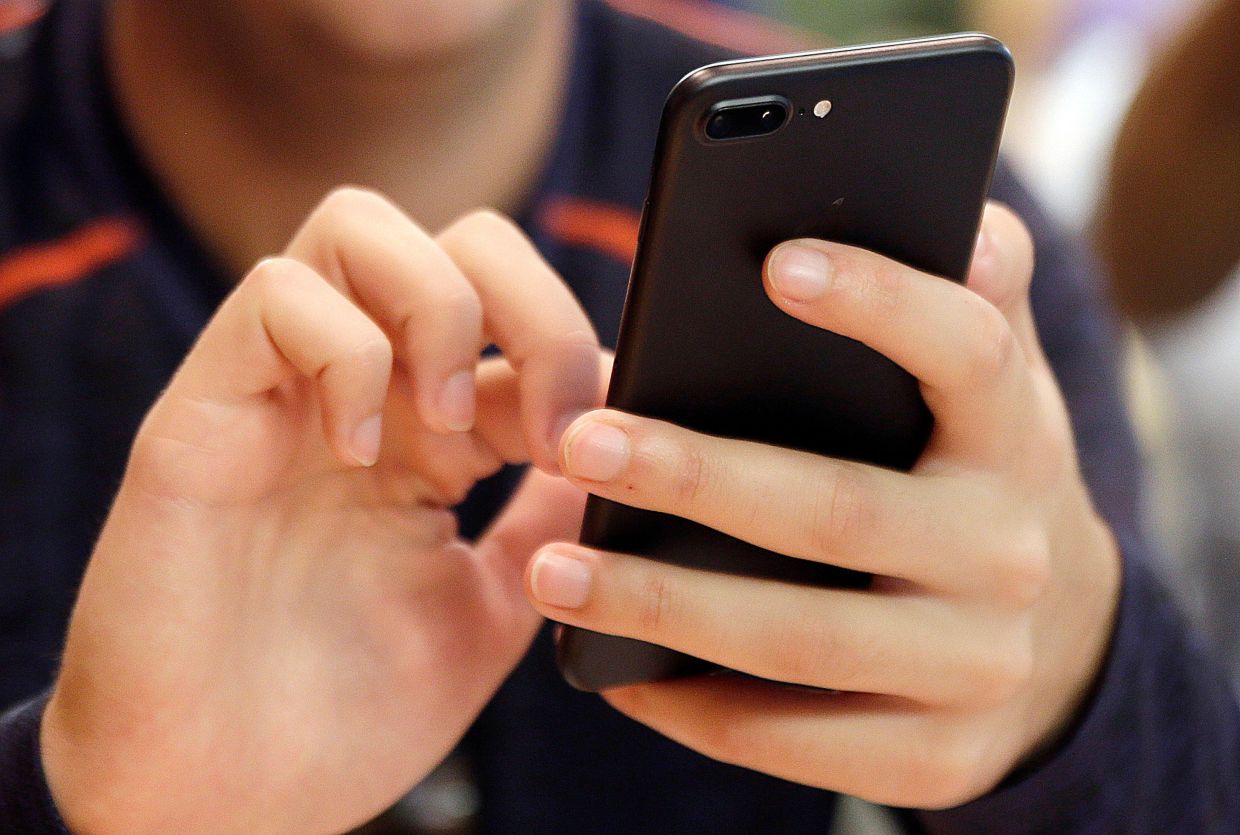
The rise of modern smartphones has created a new health concern for millions of people worldwide: pain and discomfort in the hands, wrists and thumbs caused by constant digital engagement. What doctors call texting thumb encompasses various aches and ailments stemming from overworked tendons and stressed joints—ranging from simple stiffness and knuckle throbbing to clicking sensations when bending the thumb. Without intervention, this seemingly minor inconvenience can progress into more debilitating conditions such as carpal tunnel syndrome and early-onset arthritis, making prevention and early management increasingly important for Malaysian workers and students who spend hours daily on their devices.
The phenomenon of phone-related hand injuries is not entirely new. Two decades ago, BlackBerry thumb affected office workers and business professionals who relied heavily on physical keyboards. However, the landscape has fundamentally changed. Today's devices are substantially larger and heavier than their predecessors, while usage patterns have evolved dramatically beyond simple voice calls and text messages. Contemporary smartphone use encompasses endless scrolling through social media feeds, managing financial transactions, streaming movies and television shows, and countless other activities that demand sustained, repetitive finger and thumb movements. For many Malaysians juggling work, studies and entertainment on their phones, the cumulative strain on hand muscles and joints has become a genuine occupational health issue.
Dr Maureen O'Shaughnessy from the University of Kentucky HealthCare Hand Center explains that the solution does not involve abandoning technology entirely. Instead, users must develop strategies to integrate smartphones into daily life in ways that minimise physical harm. She observes that rather than demanding people abandon their devices—an impractical expectation in the modern world—healthcare providers should focus on helping people understand how to use technology more ergonomically. This perspective is particularly relevant for Malaysia's workforce, where digital literacy and smartphone dependency continue to increase across all age groups and socioeconomic levels.
Locking the wrist and elbow in static positions for extended periods creates significant strain on muscles and tendons throughout the hand and forearm. Many people maintain the same posture for hours while scrolling, typing or holding their phones upright to watch content, which fatigues not only the thumb but also the index finger and surrounding structures. Dr O'Shaughnessy notes that people often only recognise the severity of this pain during periods of reduced phone usage, such as holidays or vacations, when the discomfort and inflammation mysteriously subside. This delayed awareness means many individuals continue harmful habits until damage accumulates.
The most straightforward remedy is also the most challenging to implement: reducing screen time and taking regular breaks from digital devices. However, recognising that most people cannot simply step away from their phones, healthcare professionals recommend practical alternatives. Varying your posture throughout the day, alternating between hands when typing, and occasionally using your index or middle fingers instead of your thumb can all reduce concentrated strain. These simple adjustments distribute physical demand more evenly across different muscle groups rather than overworking the thumb constantly.
Smartphones increasingly include built-in accessibility features that can significantly reduce hand strain without sacrificing functionality. Voice-to-text technology allows users to compose messages and notes without typing, while enlarging text size means you need not hold the phone as close to your face, reducing the grip pressure and wrist angle required during use. Additionally, circular grip accessories and ring-shaped holders that attach to the phone's back distribute weight across a larger hand area and can function as stands for watching videos, encouraging more ergonomic viewing positions.
Daily hand stretching routines offer another practical preventive measure. Simple wrist flexions—tilting your palm toward and away from yourself while applying gentle pressure with your other hand—can maintain flexibility. Individual finger flexes and small circles traced with your thumbs help maintain range of motion. For discomfort specifically at the thumb's base, placing your hand flat and gently pulling the thumb away from other fingers for approximately thirty seconds provides targeted relief. These exercises require minimal time and can easily fit into daily routines between work tasks or study sessions.
Persistent aching, numbness or tingling that does not resolve after reducing screen time and applying home remedies like ice therapy warrants professional medical evaluation. Constant phone use can trigger or worsen several specific conditions. De Quervain's tenosynovitis causes sharp pain and swelling at the thumb and wrist base. Carpal tunnel syndrome results from a pinched nerve, creating widespread hand dysfunction. Trigger thumb involves painful catching sensations when bending the thumb due to inflamed tendons. Arthritis of the thumb can be significantly exacerbated by repetitive strain. Early diagnosis and treatment prevent these conditions from becoming chronic and debilitating.
Dr Eugene Tsai, a surgeon specialising in orthopaedic medicine at Cedars-Sinai, emphasises a fundamental truth: human hands evolved for entirely different tasks than manipulating smartphones for eight, ten or twelve hours daily. Our anatomical structure, while remarkably adaptable, was not engineered for this specific sustained demand. Treating our hands with deliberate care—through conscious posture adjustment, intentional breaks, and smart use of technology features—is not optional self-care but essential maintenance for long-term hand health and function.
For Malaysian professionals, students and casual users navigating an increasingly digital world, the message is clear: smartphone technology is not disappearing, and attempts to avoid it entirely are unrealistic for most people. Instead, implementing the strategies outlined by hand specialists—varying posture, taking breaks, using accessibility features, stretching regularly and seeking medical attention when problems persist—can prevent minor discomfort from developing into serious chronic conditions. The goal is not to abandon our digital lives but to engage with technology in ways that respect our physical limitations and preserve hand function for decades to come.

