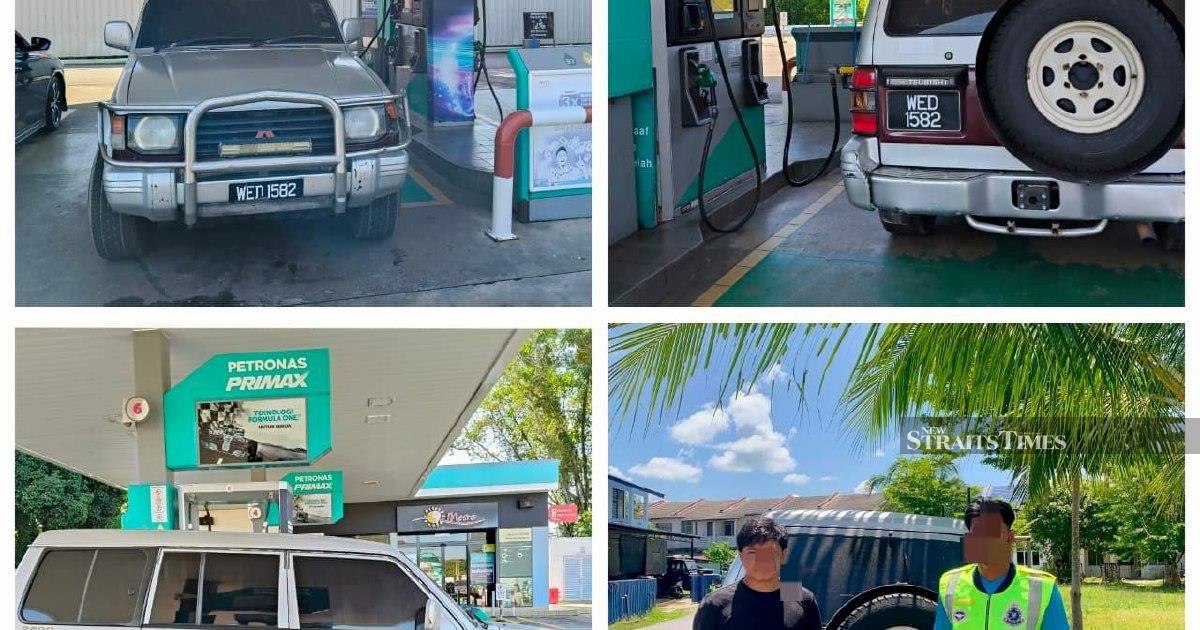
Authorities apprehended a 36-year-old man at a petrol station in Rantau Panjang yesterday on suspicion of involvement in a fuel smuggling operation targeting Thailand. The detention followed observations of the suspect making multiple sequential petrol purchases, a pattern consistent with preparations for cross-border illegal fuel trafficking.
The arrest highlights persistent challenges faced by enforcement agencies along Malaysia's northern border with Thailand, where fuel price differentials continue to drive illicit cross-border trade. The significant gap between Malaysian and Thai fuel prices has long incentivized smuggling networks to acquire cheap Malaysian petrol for illegal resale in Thailand, where retail prices remain substantially higher. This price arbitrage creates sustained demand among smuggling syndicates seeking to capitalize on the disparity.
Rantau Panjang, a key crossing point between Kelantan and the Thai province of Narathiwat, has emerged as a strategic flashpoint in the battle against illicit fuel trafficking. The location's accessibility and proximity to the border make it an attractive hub for smuggling operations. Enforcement personnel stationed at such entry points must remain vigilant against sophisticated smuggling schemes that exploit gaps in monitoring systems and personnel capacity constraints.
The suspect's method of making repeated petrol purchases represents a common tactic employed by smuggling networks to avoid triggering suspicion from single large transactions. By conducting multiple smaller purchases across different time periods or locations, smugglers attempt to evade detection while accumulating sufficient fuel quantities for profitable cross-border operations. This incremental approach underscores the operational sophistication of these criminal networks.
Fuel smuggling carries significant implications beyond simple trade law violations. The diversion of legitimate fuel supplies through illegal channels creates economic distortions, affects government tax revenues, and finances broader criminal enterprises. In border regions, smuggling networks frequently operate in conjunction with other illicit activities, creating compounded security concerns for authorities.
Malaysian customs and law enforcement agencies have intensified operations targeting fuel smuggling in recent years, recognizing the nexus between this seemingly routine commercial violation and organized crime. The coordinated approach involves petrol station operators, border officials, and intelligence units working to identify suspicious purchasing patterns and intercept smuggling operations before illegal fuel crosses into Thai territory.
Thailand's own fuel price management policies and subsidization systems indirectly fuel demand for smuggled Malaysian petrol. When Thai domestic fuel prices rise or when periodic price adjustments occur, smuggling pressures intensify as arbitrage opportunities expand. This dynamic creates a constant cat-and-mouse scenario for border enforcement personnel who must adapt strategies as market conditions fluctuate.
The case underscores broader regional challenges facing Southeast Asian nations in combating cross-border illicit trade. While fuel smuggling might appear less severe than narcotics trafficking, the cumulative economic impact and resource diversion warrant serious attention. The infrastructure, logistics networks, and financial mechanisms developed for fuel smuggling can readily be repurposed for other contraband activities, making prevention strategically important.
Investigators will likely examine the suspect's financial records, vehicle registrations, and communications to identify whether he operates as an independent actor or functions within a larger organized network. Such intelligence proves crucial for disrupting smuggling operations rather than merely addressing isolated incidents. The apprehension of individual participants provides opportunities to trace supply chains and identify key logistical nodes vulnerable to interdiction.
Moving forward, sustained enforcement requires coordination between Malaysian authorities and Thai counterparts through existing border cooperation mechanisms. Intelligence sharing regarding smuggling routes, vessel movements, and trafficking networks enhances both nations' capacity to disrupt operations. Additionally, addressing the underlying price differentials through regional fuel policy harmonization offers longer-term structural solutions, though such approaches involve complex economic considerations extending beyond border security concerns.
The incident serves as a reminder that Malaysia's porous land borders demand constant vigilance and resource commitment. While technological solutions and increased personnel deployment offer tactical improvements, the fundamental incentive structures driving smuggling persist. Effective border management requires adapting strategies to evolving smuggling methodologies while recognizing that cross-border illicit trade reflects broader economic and policy frameworks requiring comprehensive regional approaches beyond enforcement alone.

