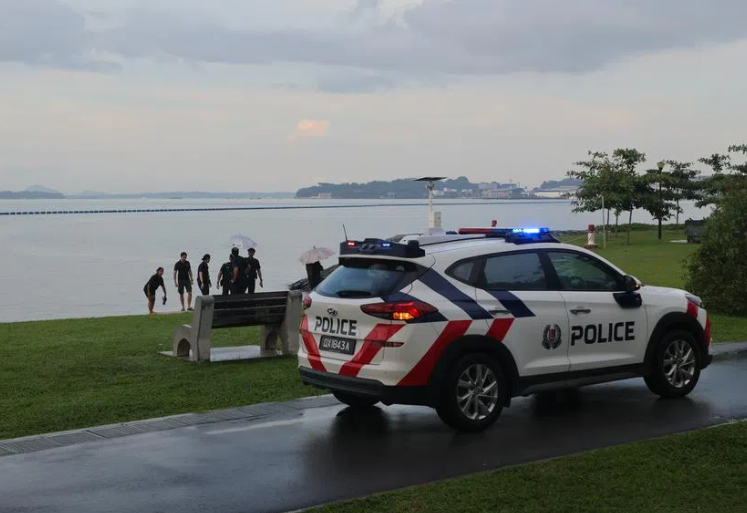
A paddleboarder in his mid-twenties has died following a lightning strike in the waters off Pasir Ris Beach, marking a tragic reminder of the weather hazards that persist in the tropical island republic despite clear skies. The incident unfolded on Sunday afternoon when the 24-year-old man was struck by lightning approximately 100 metres from shore, prompting a rapid emergency response that saw six other recreational water users rescued and transported to hospital.
Authorities received reports of the incident at around 4.50pm, with the location pinpointed as waters near 131 Pasir Ris Road. The Singapore Civil Defence Force dispatched multiple rescue vehicles to the scene, including a Light Fire Attack Vehicle and ambulance. Five people, one of whom was unconscious, were conveyed to Sengkang General Hospital, while two young children were separately taken to KK Women's and Children's Hospital. The 24-year-old male victim, who was rendered unconscious by the strike, was transported to hospital but succumbed to his injuries shortly after arrival.
Police investigations into the incident proceeded swiftly, with preliminary findings indicating no suspicious circumstances surrounding the death. The seven casualties had gathered for recreational paddleboarding and kayaking activities when the lightning struck, catching them off guard given the apparent absence of threatening weather at that moment. An eyewitness account from Muhammad Fairuz, a 40-year-old delivery rider who was fishing nearby, documented the dramatic sequence of events, noting that the recreational group was positioned roughly 100 metres offshore shortly after 4pm when the lightning hit despite clear skies overhead.
Fairuz's testimony underscores the unpredictability of lightning strikes in tropical maritime environments. He reported feeling an electric current run through his fishing rod, indicating the intensity of the electrical discharge that reached the water. Upon witnessing one of the paddleboarders lying unconscious on his board, Fairuz mobilised a rescue effort, paddling out with another fisherman to retrieve the victim and bring him back to shore. His quick thinking and that of other bystanders likely prevented additional casualties among the group, though the initial victim's injuries proved fatal.
For Malaysia and the broader Southeast Asian region, such incidents carry particular relevance given the shared tropical climate and popularity of coastal recreational activities. Lightning fatalities remain a genuine occupational and recreational hazard throughout the region, where afternoon thunderstorms and electrical weather phenomena occur with seasonal regularity. The incident highlights the importance of weather awareness and water safety protocols for those engaging in paddleboarding, kayaking, and other water sports across Southeast Asian beaches and waterways.
Singapore experiences exceptionally high lightning activity relative to its small geographic footprint. According to data from the Meteorological Service Singapore, the island averages 176 lightning days annually, measured at the Changi climate station where a lightning day is defined as any 24-hour period registering at least one lightning occurrence. This frequency places Singapore among regions with elevated electrical storm activity, meaning residents and visitors face recurring weather risks that demand vigilance and preparedness throughout the year.
Recent incidents demonstrate the persistent danger. In May, prior to this paddleboarding tragedy, a worker employed at an aquaculture facility died after being struck by lightning whilst performing job duties. That December, three workers required hospitalisation following a lightning strike near their worksite on December 28, 2023. These separate incidents underscore that lightning hazards affect not only recreational activities but also essential work sectors including agriculture and food production, where outdoor labour concentrates workers in exposed positions during peak storm seasons.
The circumstances surrounding Sunday's fatality—clear weather conditions at the moment of strike—reinforce a critical safety message: thunder and lightning do not require visible storm clouds overhead. Electrical charges can strike from distances of up to 16 kilometres from their parent storm cell, meaning conditions can appear benign while lethal risk persists. This phenomenon explains why the paddleboarders encountered clear skies whilst being fatally exposed to electrical discharge, a hazard that meteorological instruments detect far more reliably than human visual observation.
For Malaysian policymakers and beach facility operators, the incident invites examination of existing safety protocols and public warning systems at popular recreational water venues. While lightning cannot be prevented, risk mitigation through warning systems, safety education, designated safe zones, and coordinated evacuation procedures during approaching electrical storms can significantly reduce casualties. Comparatively, Malaysia's resort beaches and water sports facilities might benefit from reviewing and enhancing lightning preparedness measures, particularly given the nation's own tropical climate and equivalent exposure to electrical storm phenomena.
The tragedy also underscores the critical role of rapid emergency response and bystander intervention in aquatic emergencies. Fairuz and his companion's decision to paddle out and retrieve the unconscious victim demonstrated the life-saving potential of prompt action by nearby individuals, even as it highlights the dangers those rescuers themselves faced. Training programs in water rescue, cardiopulmonary resuscitation, and emergency response—particularly in recreational beach communities—represent valuable investments in public safety across the region.
Police investigations remain ongoing into the circumstances, though preliminary findings indicate this represents a tragic accident rather than any criminal matter. The incident joins a growing body of evidence highlighting that environmental hazards in tropical Asia merit consistent public awareness campaigns, particularly as recreational water activities continue gaining popularity among both locals and tourists throughout Southeast Asia.

