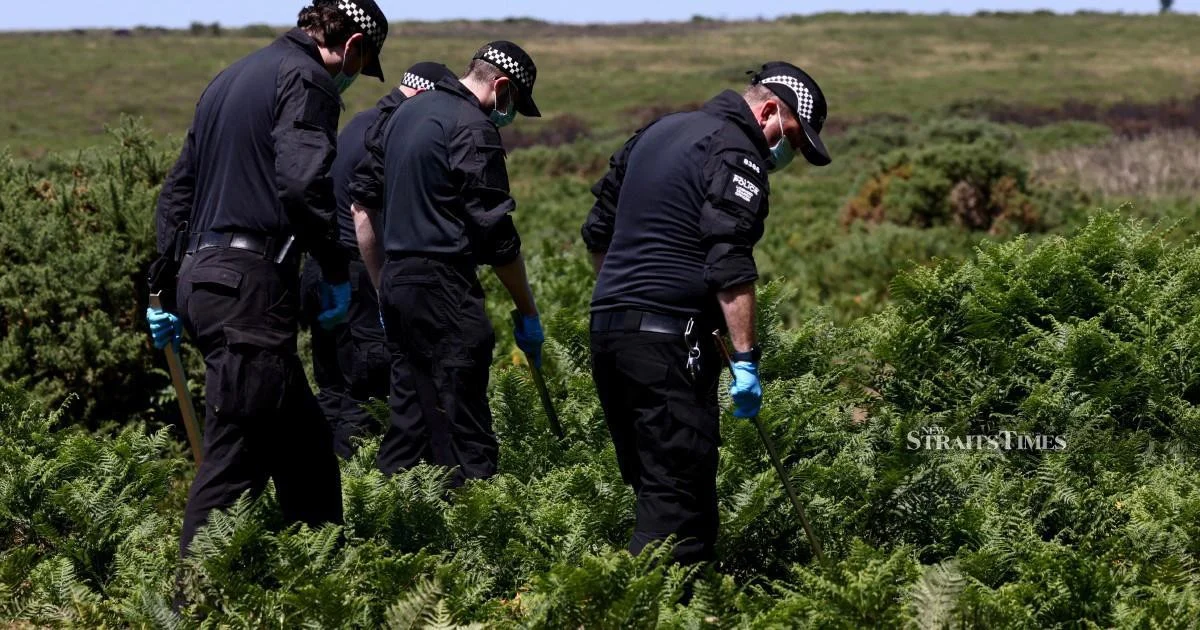
British law enforcement authorities announced the arrest of a 28-year-old suspect in South Yorkshire on Saturday in connection with the death of Ann Widdecombe, a notable former minister who served in the British government. The development represents a major breakthrough in what had become a high-profile investigation following the prominent politician's death.
Ann Widdecombe was one of the more recognisable figures in recent British politics, having held ministerial positions across multiple government departments during her career in Parliament. Her prominence in public life, combined with the circumstances surrounding her death, had drawn considerable media attention both in the United Kingdom and internationally. The announcement of an arrest will likely provide some clarity to ongoing questions about the circumstances that led to her passing.
The arrest took place in South Yorkshire, a metropolitan county in northern England encompassing major urban centres. Police conducted the operation as part of their ongoing inquiry into the suspected homicide. At this stage, authorities have not released extensive details regarding the evidence that prompted the arrest or the specific circumstances being investigated.
For Malaysian and Southeast Asian observers, the case underscores the continued vulnerability of public figures to violent crime, even in well-developed nations with sophisticated law enforcement infrastructure. The arrest demonstrates that regardless of a person's prominence or the security resources available to them, criminal investigations in democratic societies must follow established legal procedures and gather evidence before pursuing charges.
Widdecombe's career spanned several decades and made her one of the more notable Conservative Party figures of her generation. She held shadow cabinet positions and ministerial roles, lending her considerable political weight and public recognition. Her involvement in prominent policy debates and public controversies meant that her death would inevitably attract intense scrutiny from media organisations and the public alike.
The investigative response by South Yorkshire Police reflects standard procedures in serious crime investigations across the United Kingdom. Law enforcement agencies typically conduct thorough examinations of evidence, interview witnesses, and pursue leads systematically before making arrests. The fact that an arrest has been made suggests investigators had accumulated sufficient evidence to justify detention for questioning under British criminal procedure.
The arrest comes at a time when criminal investigations into high-profile deaths receive heightened public attention. The outcome of this case may influence broader discussions about personal security for public figures and the resources devoted to investigating crimes against prominent individuals. Such cases also tend to generate renewed focus on the effectiveness of policing strategies in preventing violent crime against identifiable targets.
For the British political establishment, the case represents a tragedy involving one of their own. Former colleagues and contemporaries of Widdecombe are likely to reflect on her career and contributions to British public life during what will inevitably be a period of media reflection and retrospective analysis. Political figures across the spectrum typically unite in condemning violence against their peers, regardless of ideological differences.
The investigation will now proceed through standard criminal justice channels, with the suspect likely to face further questioning by detectives. British law permits police to detain suspects for questioning under specific conditions, and investigators will be keen to establish facts surrounding the alleged offence. The case will eventually advance through the courts, where evidence will be tested and scrutinised according to established legal principles.
This development carries implications for security practices affecting politicians and public figures across the Commonwealth nations and beyond. While such violent crimes remain statistically uncommon, each high-profile case prompts renewed examination of whether existing protective measures are adequate. Malaysian policymakers and security professionals may well draw lessons from how British authorities investigate and prosecute such serious offences.
The coming weeks will likely see further developments as the investigation continues and the criminal justice process unfolds. Media coverage will probably intensify, particularly as more details emerge about the evidence and circumstances. The case serves as a sobering reminder that no public figure, regardless of their status or the protection available to them, is entirely immune from the risk of serious crime.

