A man has been apprehended by Negeri Sembilan police following allegations that he shared insulting content about the state's royal institution on social media platforms. The arrest underscores ongoing law enforcement efforts across Malaysia to address online remarks deemed disrespectful towards the monarchy, a sensitive matter under the country's legal framework.
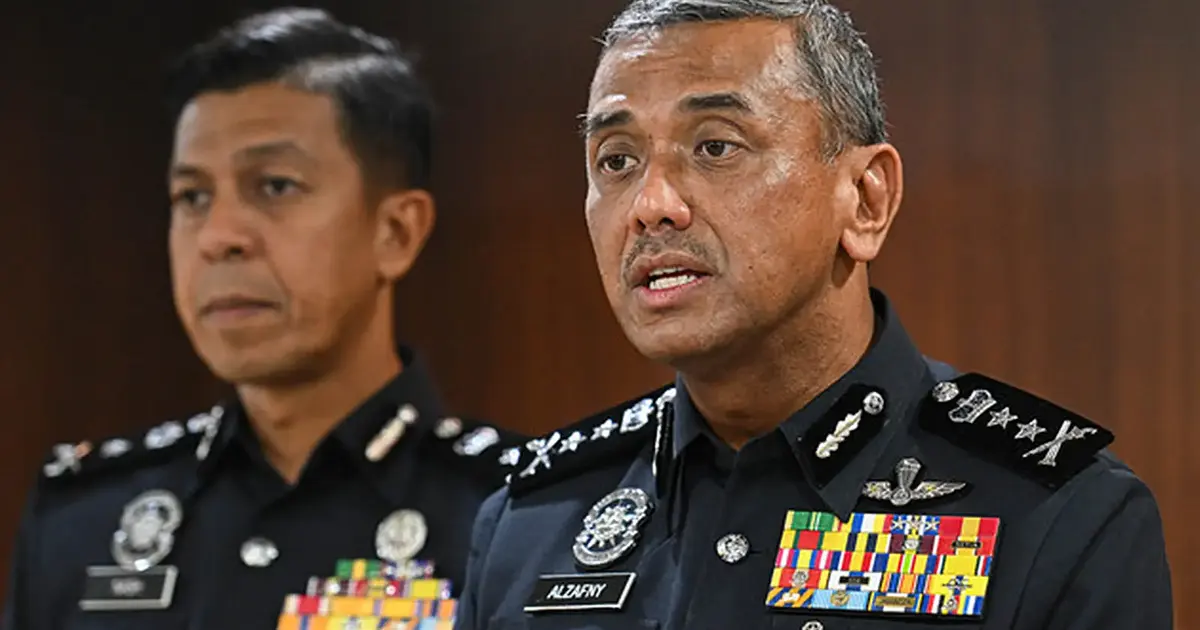
According to Negeri Sembilan police chief Alzafny Ahmad, authorities have moved swiftly to investigate the complaint. In addition to detaining the suspect, investigators seized the individual's mobile phone to gather digital evidence related to the alleged post. The confiscation of electronic devices has become standard procedure in such cases, allowing authorities to examine communications and trace the origin and dissemination of the contentious material.
The incident highlights the persistent challenge facing Malaysia's law enforcement agencies in managing online discourse that touches upon royal institutions. Social media platforms have transformed the landscape of public expression, creating both opportunities for legitimate debate and vulnerabilities to speech that crosses legal boundaries. Authorities across Malaysian states have increasingly focused on monitoring online activity to identify posts that could be construed as insulting or defamatory towards the monarchy.
Under Malaysia's legal framework, provisions governing sedition and insulting remarks towards royalty remain stringent. Various statutes, including the Sedition Act and state-level regulations, provide enforcement mechanisms for protecting the dignity and sanctity of the monarchy. The interpretation and application of these laws have occasionally sparked discussions about the balance between national security interests and freedom of expression, particularly given the prominence of digital communications in contemporary Malaysian society.
Negeri Sembilan, located in the central region of Peninsular Malaysia, has its own state-level jurisdiction and enforcement authorities dedicated to maintaining public order and protecting state institutions. The Negeri Sembilan police force operates within both federal and state legal frameworks, coordinating with federal cybercrime units when cases involve digital elements. This arrest reflects the state-level commitment to safeguarding the reputation and honour of the Negeri Sembilan ruler and royal family.
The timing of this arrest coincides with broader national conversations about online conduct and social responsibility. Malaysian internet users have witnessed multiple enforcement actions targeting posts deemed disrespectful towards various public figures and institutions. Such developments have prompted both civil society observers and technology platforms to examine how content moderation and legal action intersect in the Malaysian digital ecosystem.
Social media companies operating in Malaysia face increasing pressure to cooperate with law enforcement and to implement community standards aligned with local sensitivities regarding royal institutions. Platforms must navigate complex terrain between accommodating diverse global users and respecting the particular values and legal requirements of individual markets. The seizure of digital devices in this case may involve cooperation between police and platform operators to retrieve and analyse communications.
For Malaysian internet users and content creators, the arrest serves as a reminder of the legal consequences of online activity targeting protected persons and institutions. Digital literacy initiatives and awareness campaigns have increasingly emphasized responsible online conduct, yet enforcement actions continue to proliferate. This suggests that public understanding of applicable laws and their boundaries remains incomplete across sections of the population.
The investigation's progression will likely provide clarity on the specific nature of the allegedly insulting content and the evidence authorities have gathered. Charges, if filed, would establish precedent for how courts interpret insulting remarks in the digital age. Previous cases involving online speech have resulted in varied outcomes, reflecting judicial discretion in balancing legal protections with broader principles of justice.
For Negeri Sembilan specifically, the incident underscores the state government's priority in protecting royal institutions from public disrespect. The state, with its unique constitutional arrangements involving its ruler and royal council, maintains particularly strong sensitivities regarding institutional dignity. Law enforcement actions reflect these values and the state's commitment to maintaining order within its jurisdiction.
Looking forward, the case exemplifies how traditional legal concepts continue to adapt to digital communication forms. Legislators and enforcement bodies across Malaysia are grappling with questions about how century-old statutes governing sedition and insulting language apply to social media posts, which are often ephemeral, widely shared, and difficult to contain. The decisions made by police and courts in cases like this contribute to shaping the practical application of law in the digital sphere.
The arrest also raises questions about investigation methodologies and digital forensics in Malaysia. Police forces increasingly require sophisticated expertise to trace online activity, identify accounts, and collect admissible evidence from digital platforms. Training, resource allocation, and coordination between different agencies become crucial as cybercrime and online-related offences grow in prevalence.
As this case progresses through the legal system, it will demonstrate how Malaysian authorities continue to enforce laws protecting royal institutions in an era where digital communication has fundamentally transformed public discourse. The investigation's outcome may influence similar cases and contribute to evolving standards around online expression in Malaysia and across Southeast Asia.

