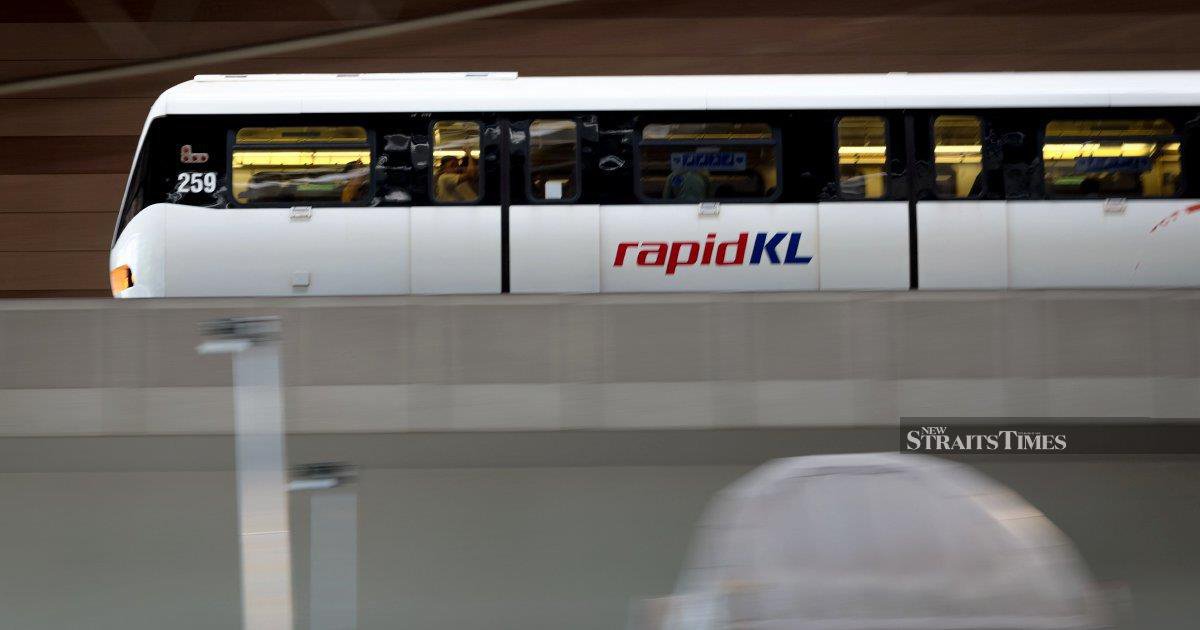
An individual was taken into custody by police following an unauthorized intrusion onto the railway corridor at Jalan Meru Station, which interrupted services on Rapid KL's Shah Alam Line during the early morning hours. The incident underscores persistent challenges facing Malaysia's rapid transit system as rail operators struggle with periodic disruptions caused by individuals accessing restricted track areas without authorization.
The trespasser gained access to the operational tracks serving the commuter line that connects central Kuala Lumpur with Shah Alam and surrounding districts. Such breaches of rail security create immediate operational complications for transit authorities and pose significant risks not only to the individual involved but potentially to other commuters and railway staff in the vicinity. The Shah Alam Line forms a critical component of Rapid KL's network, carrying thousands of daily passengers across the Klang Valley region.
Track interruptions of this nature typically require swift intervention from operators to restore normal service schedules. When individuals access areas designated exclusively for train movement, control centre staff must immediately halt approaching services, isolate the affected section, and initiate recovery protocols before resuming operations. These procedures, though essential for safety, inevitably cascade into delays affecting multiple trains and inconvenience commuters throughout the affected corridor.
Rapid KL has faced recurring challenges in maintaining track security and preventing unauthorized access despite investment in perimeter fencing, surveillance systems, and regular patrols. The frequency of such incidents suggests gaps exist between current preventative measures and what is required to fully deter and eliminate trespassing behaviour. Station management teams implement standard protocols upon discovering unauthorized individuals, coordinating with security personnel and authorities to secure the area before allowing service resumption.
The reasons prompting individuals to enter restricted rail areas vary considerably. Some trespassers attempt to cross tracks to save travel time, underestimating the genuine hazards posed by moving trains and electrical systems. Others may be experiencing mental health crises or facing circumstances that impair judgment. Understanding the motivations behind such incidents helps transport operators and social agencies develop more targeted prevention strategies addressing both physical barriers and underlying human factors contributing to these breaches.
From a broader system perspective, disruptions arising from unauthorized track access represent one category of service interruptions operators must manage alongside scheduled maintenance, mechanical faults, and weather-related events. The cumulative impact of frequent, unpredictable service stoppages erodes public confidence in transit reliability and may influence passenger behaviour, potentially driving some commuters toward alternative transport modes. This dynamic carries economic implications for Rapid KL's ridership numbers and revenue.
The early morning timing of this incident suggests the individual accessed the station during a period of reduced passenger traffic and lower staff presence, a pattern observed in previous trespassing cases. Enhancing security protocols during off-peak hours, when stations operate with minimal personnel, represents an avenue for improvement. Some operators have implemented additional lighting, increased camera monitoring, and scheduled security patrols during quieter periods to address this vulnerability.
Police investigations into such cases typically examine how the individual breached perimeter security, whether accomplices were involved, and the circumstances motivating the trespass. These findings inform subsequent security measures and guide decisions regarding penalties and intervention approaches. The judicial outcome may involve fines, conditional discharge, or compulsory counselling depending on circumstances and any prior history of similar offences.
For commuters relying on the Shah Alam Line, especially during peak morning periods, any service disruption creates real consequences affecting punctuality for work, education, and appointments. The ripple effects extend throughout the wider transport network as affected passengers seek alternative routes or wait for service restoration. Over time, recurring disruptions may prompt individuals to shift permanently to private vehicles, reducing the modal share of public transport—an outcome contrary to Malaysia's objectives of enhancing urban mobility and reducing traffic congestion.
Rapid KL and other public transport operators continue exploring technological solutions to enhance track security, including improved intrusion detection systems, automated barriers at vulnerable access points, and enhanced real-time monitoring capabilities. Public education campaigns emphasizing the severe dangers of track access represent another component of comprehensive prevention strategies. These multifaceted approaches acknowledge that eliminating trespassing requires coordinated effort spanning infrastructure improvements, regulatory enforcement, and community engagement.
This incident reflects broader urban safety challenges facing rapidly expanding metropolitan areas. As transit networks extend and passenger volumes grow, protecting critical infrastructure while maintaining accessibility and efficient operations demands constant attention and resources. The arrest serves as a reminder of the ongoing effort required to maintain service integrity and passenger safety across Malaysia's expanding rapid transit ecosystem.

