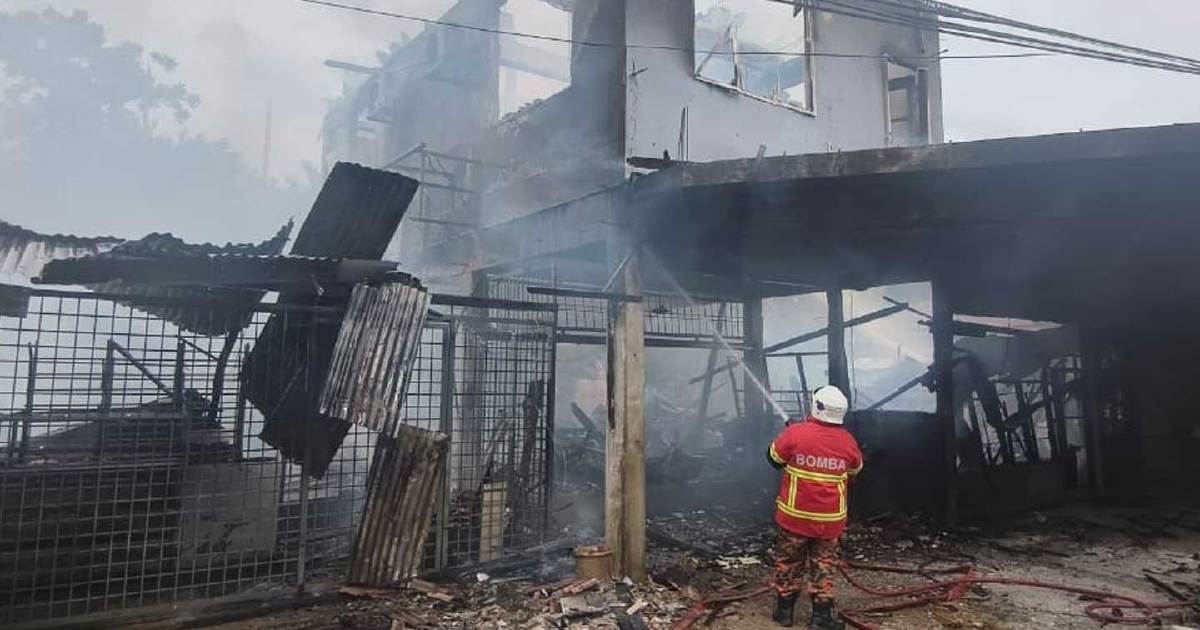
A 36-year-old resident of Jitra faces a five-day remand period after authorities apprehended him on suspicion of deliberately igniting a fire at his mother's dwelling in Kampung Sungai Baru. The decision reflects the gravity of arson charges and the investigative scope required to establish the circumstances surrounding the alleged incident.
Arson cases involving family members represent a particularly troubling category of criminal behaviour, raising concerns about domestic tensions and potential underlying psychological or emotional factors. In this instance, the fact that the accused's own mother was the property owner introduces additional complexity to what may have been a domestic dispute that escalated to property destruction. Investigators will need to carefully examine the relationship dynamics, any preceding conflicts, and the suspect's mental state at the time of the alleged offence.
The five-day remand period grants law enforcement adequate opportunity to conduct thorough questioning, gather forensic evidence from the fire scene, and corroborate witness testimonies. During this window, authorities can establish timelines, identify potential motives, and secure physical evidence such as accelerant residue or security footage that might clarify how the fire originated and spread. Such methodical investigation is essential in arson cases, where evidence preservation and proper handling can substantially influence prosecution outcomes.
Fire-related crimes carry serious legal consequences in Malaysia. Under the Penal Code, deliberately causing fire with intent to damage property or endanger lives can result in substantial imprisonment terms and financial penalties. The specific charges ultimately filed will depend on factors including whether anyone was endangered, the extent of damage caused, and whether the suspect possessed clear intent or acted recklessly.
Domestic fire incidents present unique challenges for investigators because they often occur in residential settings where establishing clear causation requires eliminating accidental explanations. The presence of a family relationship complicates matters further, as investigators must determine whether the suspect acted autonomously or whether external pressures, substance abuse, or mental health crises precipitated the alleged crime. Such contextual understanding informs both investigative strategy and eventual judicial consideration.
For Malaysian households and particularly vulnerable family members in potentially unstable domestic environments, incidents like this underscore the importance of accessible support services and conflict resolution mechanisms. When tensions within families reach critical levels, intervention by social services, counselling professionals, or law enforcement can sometimes prevent escalation to property destruction or personal injury. Community awareness about domestic conflict resources remains underdeveloped in many Malaysian localities.
The location in Kampung Sungai Baru, Jitra suggests a rural or semi-rural community setting where such incidents may carry additional social implications. Rural communities often operate with tighter social networks where criminal behaviour by residents generates extended consequences affecting family reputation and community standing. This social dimension occasionally influences how cases are perceived and processed within local contexts.
From an investigative standpoint, the specific remand duration indicates that authorities identified sufficient preliminary evidence to justify detention while pursuing further enquiries. Police must demonstrate to the court that additional investigation is necessary and that remand is the appropriate holding mechanism rather than bail or release on recognisance. The five-day period suggests investigators required time for forensic analysis, witness interviews, and substantive interrogation.
Arson cases also engage fire department expertise, as investigators typically collaborate with fire safety specialists who examine burn patterns, point of origin, and causation to reconstruct how fires developed. This technical expertise proves invaluable in distinguishing between accidents and deliberate acts. The cooperation between police and fire services determines whether sufficient evidence emerges to support criminal charges.
As the investigation progresses beyond the remand period, decisions about whether to charge the suspect, what specific offences to pursue, and whether bail will be granted become critical junctures. The availability of evidence, clarity regarding intent, and any medical or psychological evaluations will substantially shape these determinations. Prosecutors must weigh whether evidence meets the threshold for proceeding with formal charges and which specific provisions of the Penal Code apply to the circumstances established during investigation.
This incident contributes to growing awareness within Malaysian law enforcement and judicial communities about the intersection between domestic disputes and serious criminal outcomes. Understanding how family tensions translate into destructive behaviour informs prevention strategies and intervention protocols. Mental health support, family counselling services, and accessible conflict resolution mechanisms remain underdeveloped in many communities, creating gaps where escalation becomes more likely.

