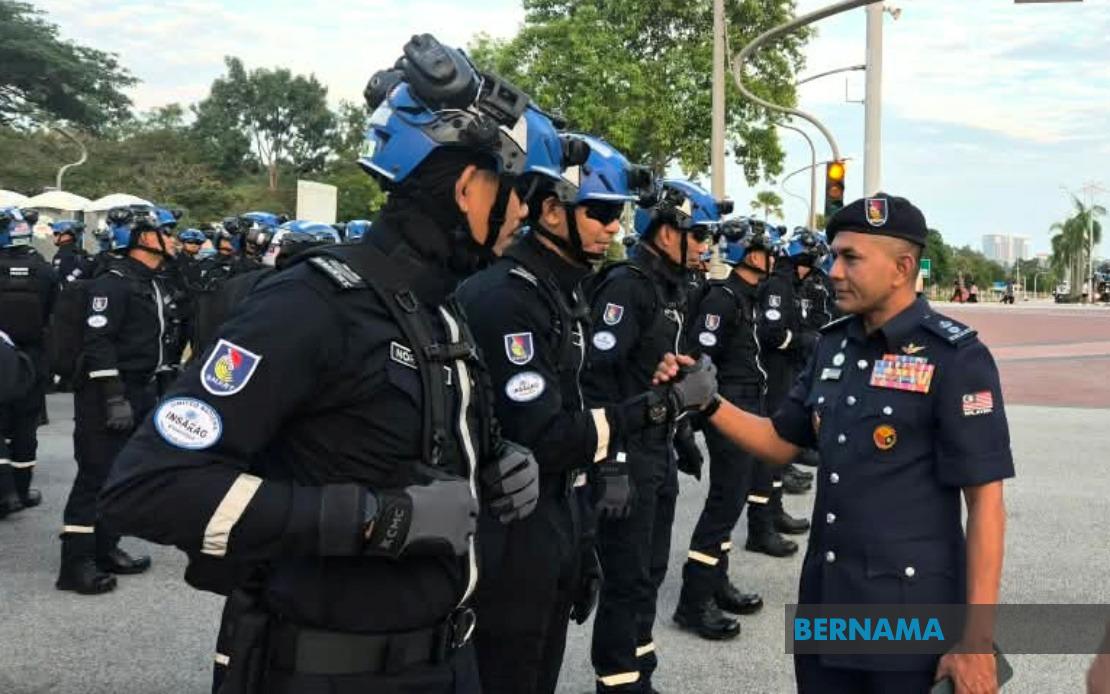
Malaysia's Special Malaysia Disaster Assistance and Rescue Team (SMART) stands fully mobilized and prepared to launch a search and rescue mission into Nepal, where catastrophic flooding and landslides have wreaked widespread devastation across the Himalayan nation. The 112-member contingent, which includes specialized rescue personnel, remains in a state of readiness pending formal authorization from the Nepalese government to proceed with deployment operations. This positioning reflects Malaysia's commitment to regional humanitarian assistance and underscores the swift mobilization capacity of the country's disaster response infrastructure when neighbouring nations face crises of this magnitude.
Senior Fire and Rescue Officer 1 Abdul Manaf Che Isa, who commands the specialized unit, confirmed that his team is operationally prepared for immediate deployment. Speaking during Malaysia's National Day 2026 celebrations at Dataran Putrajaya on August 31, he indicated that the delay stems entirely from administrative coordination rather than any deficiency in readiness on the Malaysian side. The team awaits confirmation from Nepal regarding its capacity and willingness to receive international assistance, a standard protocol that allows recipient nations to manage the flow of external resources in accordance with their existing disaster response infrastructure.
Prime Minister Datuk Seri Anwar Ibrahim announced Malaysia's decision to dispatch SMART to Nepal following the catastrophic flooding events that struck the nation on August 26, particularly impacting the Rasuwa District. The government's response encompasses multiple dimensions beyond search and rescue operations, demonstrating a comprehensive approach to bilateral disaster assistance. Malaysia has committed to contributing USD1 million towards supporting affected populations and facilitating post-disaster reconstruction efforts, recognizing that recovery from such calamities extends far beyond the immediate rescue phase into long-term rehabilitation and rebuilding.
The mission carries particular significance for Malaysia due to the substantial number of Malaysian nationals reported missing or uncontactable in the affected regions. As of August 29, Malaysian diplomatic authorities identified 55 Malaysians remaining unaccounted for in Nepal, with an additional 36 reported missing in China's Tibet region where the floods and landslides also caused severe damage. Beyond the humanitarian imperative, locating and assisting these individuals represents a key operational objective for SMART, alongside coordinating broader relief efforts through the Malaysian Embassy in Kathmandu and ensuring the welfare and security of Malaysian citizens affected by the disaster.
The coordination structure for deployment involves multiple Malaysian government agencies working in concert to facilitate rapid response. The Foreign Ministry (Kementerian Luar Negeri), National Security Council (Majlis Keselamatan Negara), and National Disaster Management Agency (Agensi Pengurusan Bencana Nasional) are engaged in active liaison with Nepalese counterparts to finalize arrangements. This inter-agency coordination ensures that deployment logistics, diplomatic protocols, and operational requirements align seamlessly, reducing delays that might otherwise impede the mission once formal approval materializes.
The scale of the humanitarian crisis underscores the urgency of international assistance. The Anadolu Agency reported that death tolls from the severe flash floods and landslides had climbed to 804 persons as of late August, with approximately 3,300 individuals still reported missing across both Nepal and the Tibet region. These figures reflect one of the region's most severe hydrometeorological disasters in recent years, with entire communities facing displacement, infrastructure destruction, and acute shortages of basic necessities. The combination of mountainous terrain, steep gradients, and heavy precipitation characteristic of Nepal's August monsoon season creates particularly treacherous conditions for rescue operations, requiring specialized equipment and expertise that international teams can provide.
SMART's organizational composition reflects Malaysia's considerable experience in disaster response operations across Southeast Asia and beyond. The team's 112 personnel likely include trained rescue specialists, medical personnel, logistics coordinators, and equipment operators capable of functioning in challenging environments with minimal external support infrastructure. The parade inspection by Abdul Manaf, conducted under the command of Captain Plaveanus Bernard, demonstrated the team's ceremonial readiness and highlighted the professionalism characterizing Malaysia's disaster response capability to domestic audiences.
For Malaysian readers, this deployment scenario illustrates both the interconnectedness of South Asian regional crises and Malaysia's positioning as a responsible international actor committed to humanitarian principles. The swift decision to offer assistance, coupled with substantial financial contributions and dedicated personnel deployment, demonstrates that Malaysia regards itself as part of a broader Asian community where disasters transcend national boundaries and require coordinated responses. This approach aligns with Malaysia's established diplomatic posture and its membership in regional forums emphasizing disaster risk reduction and humanitarian cooperation.
The timing of the announcement during National Day celebrations carries symbolic weight, positioning disaster assistance as a core expression of national values. Prime Minister Anwar Ibrahim's public commitment to the mission reflects not merely diplomatic courtesy but genuine recognition that Malaysia possesses the capacity and responsibility to assist vulnerable neighbors facing extraordinary circumstances. The emphasis on locating Malaysian citizens specifically also reminds domestic audiences that their government actively prioritizes citizen safety and welfare when overseas disasters strike.
From a broader Southeast Asian perspective, this Malaysian initiative contributes to establishing expectations and precedents regarding mutual assistance during major disasters. As climate change intensifies extreme weather phenomena, including unprecedented flooding and landslides, developing regional capacity for rapid cross-border rescue operations becomes increasingly vital. Malaysia's proactive stance encourages other nations to view disaster assistance as a normal, expected component of international relations rather than exceptional charity, potentially strengthening the region's collective resilience.
The approval process awaiting Nepalese confirmation reflects administrative realities in receiving nations, which must coordinate incoming international teams with existing rescue operations, ensure security protocols are established, and integrate foreign personnel into established command structures. Once clearance arrives from Kathmandu, Malaysia's SMART team can execute its mission with minimal further delay, leveraging the substantial preparation work already completed. The outcome will likely influence future bilateral relations and Nepal's perception of Malaysian commitment to regional stability and humanitarian values.

