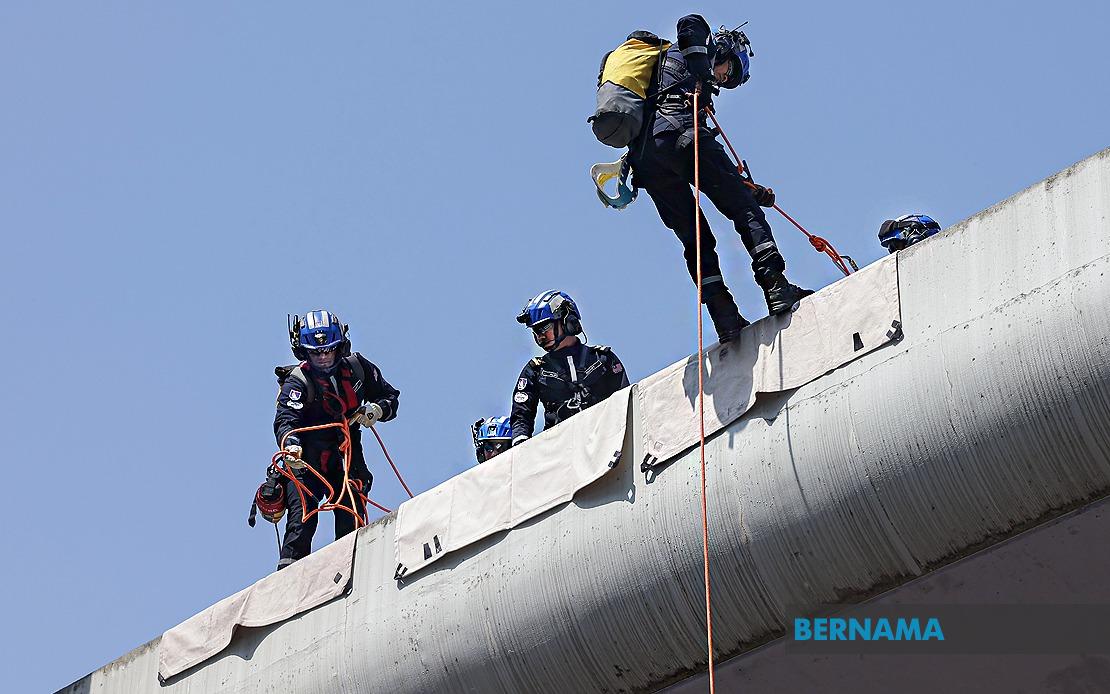
The Malaysian Special Search and Rescue Team (SMART) has been placed on high alert for potential deployment to Nepal to support ongoing search and rescue operations triggered by catastrophic flooding that has devastated the Himalayan nation. The National Disaster Management Agency (NADMA) confirmed the unit's readiness in a statement from Putrajaya on August 30, emphasizing that Malaysia remains prepared to mobilize assistance at short notice should Nepal's government formally request international support.
The decision to ready SMART for deployment reflects a coordinated diplomatic effort between Malaysia's disaster management authorities and the Foreign Ministry, working in tandem to position the rescue team for rapid response. While the unit has achieved full operational readiness, actual movement remains conditional on two critical factors: confirmation of Nepal's specific humanitarian requirements and an official acceptance from the Nepali Government to receive Malaysian assistance. This diplomatic protocol underscores the careful balance between demonstrating international goodwill and respecting national sovereignty during cross-border disaster response operations.
Senior Fire Superintendent I Abdul Manaf Che Isa, commanding the SMART contingent, highlighted the team's exceptional commitment despite competing national obligations. Although SMART members were scheduled to participate in Malaysia's 69th National Day parade celebrations on August 31, the commander stressed that personnel maintained constant operational preparedness for emergency deployment. He emphasized the team's standing principle of responding to emergency callouts at minimal notice, demonstrating how Malaysia's specialized disaster response capabilities can balance ceremonial duties with humanitarian imperatives.
Prime Minister Anwar Ibrahim formally announced the government's decision to dispatch SMART to Nepal, framing the intervention as part of Malaysia's broader commitment to international disaster relief. Beyond search and rescue coordination, the team has been assigned the critical humanitarian mission of locating Malaysian nationals affected by the flooding and facilitating their safe return home. Additionally, SMART personnel will work alongside the Malaysian Embassy in Nepal to provide comprehensive support, coordinating assistance efforts and safeguarding the welfare of Malaysian citizens affected by the disaster.
The Malaysian commitment extends beyond personnel deployment. The government announced a financial contribution of US$1 million to Nepal, earmarked specifically for immediate victim assistance and supporting medium-to-long-term post-disaster recovery initiatives. This monetary contribution complements the technical expertise and operational capacity that SMART brings to Nepal's relief efforts, creating a multifaceted approach to international disaster assistance that combines emergency response capabilities with financial resources for reconstruction.
SMART represents Malaysia's most advanced civilian search and rescue resource, comprising highly trained specialists equipped with cutting-edge technology and operational protocols refined through multiple domestic and international deployments. The unit's activation reflects Malaysia's positioning as a responsible regional actor capable of mobilizing sophisticated humanitarian response mechanisms. For Nepal, which faces substantial challenges in coordinating rescue operations across challenging terrain affected by flooding, access to such specialized resources can significantly enhance search effectiveness and victim recovery rates.
The flooding in Nepal has created urgent humanitarian demands that extend beyond the immediate search and rescue phase. Reconstruction challenges, displaced population management, and restoration of critical infrastructure will require sustained international coordination. Malaysia's US$1 million contribution acknowledges that disaster relief encompasses not merely emergency response but also the longer-term recovery processes essential for affected communities to rebuild economic and social structures damaged by the deluge.
From a Southeast Asian perspective, Malaysia's measured yet proactive response demonstrates the region's capacity for organized cross-border cooperation during humanitarian crises. As climate change intensifies extreme weather patterns across South and Southeast Asia, establishing clear protocols for rapid international disaster assistance becomes increasingly important. Nepal's experience with major flooding events reflects vulnerabilities that extend across mountainous regions throughout the broader Asian continent, making effective response coordination a matter of regional significance.
The deployment decision also reflects evolving Malaysian foreign policy priorities that emphasize humanitarian diplomacy as a vehicle for strengthening bilateral relationships. By positioning SMART for rapid deployment and committing substantial financial resources, Malaysia demonstrates commitment to Nepal's stability and recovery, potentially enhancing diplomatic ties and positioning Malaysia as a dependable international partner. Such investments in cross-border humanitarian cooperation often generate goodwill extending well beyond immediate crisis response phases, contributing to longer-term regional stability and cooperative frameworks.
The coordination between NADMA, the Foreign Ministry, and operational commanders illustrates institutional capacity for rapid government response to international emergencies. This inter-agency coordination, maintained even during major national celebrations, reflects the professionalization of Malaysia's disaster management infrastructure. The readiness to deploy SMART while simultaneously accommodating National Day participation demonstrates organizational sophistication in balancing competing priorities without compromising either ceremonial obligations or emergency response capabilities.
Nepali authorities now face the decision of whether to formally accept Malaysian assistance. The country's experience with previous disaster responses and its current assessment of rescue operation requirements will inform this choice. For Malaysia, the deployment stands ready, personnel are trained and motivated, financial resources are committed, and diplomatic channels remain open. The technical infrastructure for rapid mobilization is in place, pending the formal word from Kathmandu that would activate this comprehensive humanitarian response package.

