Malaysia's Religious Affairs Ministry has issued a sharp rebuke following the detention of Sheikh Muhammad Hussein, the Grand Mufti of Jerusalem and custodian of the Al-Aqsa Mosque, by Israeli forces after Friday prayers last week. Although the religious leader was subsequently released, the incident has drawn significant diplomatic attention from Kuala Lumpur, which views the arrest as a troubling violation of religious liberty and an affront to one of Islam's most sacred worship sites.
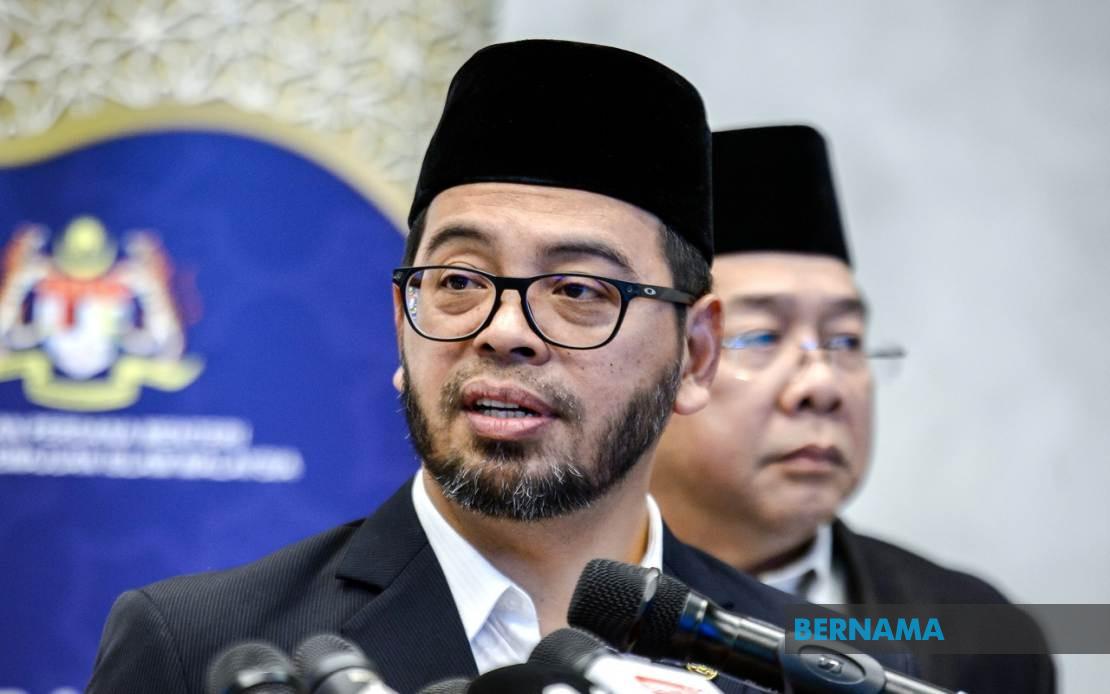
Senator Dr Zulkifli Hasan, the Minister in the Prime Minister's Department (Religious Affairs), articulated Malaysia's position in a statement released on July 12, emphasizing that the detention of a religious figure performing his lawful duties at Al-Aqsa constitutes a breach of fundamental freedoms enshrined in international law. The timing and location of the arrest—at one of Islam's holiest shrines during worship—amplifies the symbolism and severity of the incident from Malaysia's perspective, transcending a simple administrative detention to represent what Kuala Lumpur characterizes as institutional disrespect toward Islamic practice and sacred spaces.
The ministry has escalated the matter to multilateral organizations, specifically appealing to the United Nations and the Organisation of Islamic Cooperation to intervene and enforce protections for worship rights, the personal safety of religious clergy, and the protected status of the Al-Aqsa Mosque. This approach reflects Malaysia's traditional strategy of channeling grievances through international forums where it can amplify its voice alongside other Muslim-majority nations. By framing the issue within established international legal frameworks rather than pursuing bilateral channels, Kuala Lumpur is signaling both the seriousness of its concerns and its preference for collective action within the global community.
Beyond the immediate incident, Malaysia's statement reaffirms its longstanding solidarity with the Palestinian cause. The government has positioned itself as a consistent advocate for Palestinian rights and a vocal opponent of what it characterizes as systematic oppression. This declarative commitment serves multiple audiences—domestic constituencies who view Palestinian issues through a religious and humanitarian lens, as well as regional and global Muslim populations who look to Malaysia as a respected voice within the Islamic world. The statement's emphasis on supporting efforts toward just peace suggests Malaysia remains committed to eventual negotiated solutions rather than endorsing more confrontational approaches.
In a related development, Dr Zulkifli drew attention to another significant commemoration in the Islamic calendar—the 31st anniversary of the Srebrenica massacre in Bosnia and Herzegovina. The 1995 atrocity resulted in the execution of more than 8,000 Bosniak Muslim men and boys over several days in July, perpetrated by Bosnian Serb forces that captured the eastern town despite its UN designation as a protected safe area. The tragedy stands as one of the most harrowing episodes of the 1990s Balkan conflicts and remains a touchstone for discussions of Muslim persecution and the limits of international protection mechanisms.
Malaysia's engagement with the Srebrenica narrative carries particular historical weight, given the country's substantial and visible role in responding to the Bosnian crisis during the 1990s. Under the leadership of former Prime Minister Tun Dr Mahathir Mohamad and continuing through the tenure of current Prime Minister Datuk Seri Anwar Ibrahim, Malaysia positioned itself as a champion of Bosnian Muslim interests at a time when geopolitical attention was limited. The Muslim Youth Movement of Malaysia (ABIM) initiated humanitarian relief efforts, while the government facilitated educational pathways through the International Islamic University Malaysia (IIUM), providing scholarships and integration support for Bosnian refugees seeking stability and recovery.
Malaysia's military contribution to peacekeeping efforts in the region underscores the depth of this commitment. Between 1993 and 1998, the Malaysian Armed Forces (MAF) deployed 10,514 military officers and personnel to serve under UN mandates, operating primarily through the Malaysian Battalion (MALBAT) and later the Implementation Force (IFOR). These deployments represented substantial national expenditure and political capital directed toward stabilizing a Muslim-majority region facing sectarian violence. The scale of this contribution—over a decade of continuous military presence—distinguishes Malaysia as one of the more committed non-European participants in Balkan peacekeeping operations.
Dr Zulkifli's invocation of Srebrenica carries implicit messaging that extends beyond historical commemoration. By connecting the Srebrenica tragedy to contemporary concerns about Palestinian persecution and religious freedom, he is constructing a narrative framework that positions Malaysia as a consistent defender of Muslim populations facing what it perceives as systematic marginalization or violence. This thematic linkage serves to establish moral consistency in Malaysia's foreign policy positions and appeals to audiences who view protection of Muslim communities as a central civilizational concern.
The minister's call for Malaysian youth to engage with Srebrenica as a cautionary lesson reflects an educational strategy common among governments seeking to inculcate historical consciousness and moral frameworks in younger generations. By framing the massacre as a consequence of hatred, division, and oppression, Dr Zulkifli positions learning from this history as a pathway toward building more tolerant, unified societies. The emphasis on rejecting divisive attitudes carries potential domestic implications as Malaysia itself navigates questions of religious pluralism, intercommunal harmony, and the integration of diverse populations.
The religious language employed in the minister's closing remarks—invoking divine mercy for the Srebrenica martyrs and asking for Allah's protection of Bosnia—serves to sanctify Malaysia's solidarity with affected communities while locating political action within a spiritual framework. This rhetorical approach resonates with Malaysia's Muslim populations while also signaling to the global Islamic community that Malaysia's engagement with these issues stems from deep religious conviction rather than mere diplomatic posturing. The phrase "Allahimanet Bosna" crystallizes this sentiment, transforming geopolitical concern into a prayer for divine intervention and protection.
For Malaysian policymakers, these statements reflect a broader strategic orientation wherein the country leverages its position as a major Muslim-majority nation to advocate for what it characterizes as justice in international affairs. Whether addressing the detention of a religious figure in Jerusalem or commemorating a massacre in Bosnia, Malaysia consistently appeals to international legal norms, organizational mechanisms, and humanitarian principles. This approach allows Kuala Lumpur to maintain activist credentials within the Islamic world while remaining engaged with multilateral structures and international law—a balancing act that defines much of Malaysia's contemporary diplomacy.

