Malaysia's electricity infrastructure sector is poised for sustained expansion, according to Hong Leong Investment Bank Bhd, which sees the coming years driven by an extended cycle of capital investment that disproportionately benefits companies with direct exposure to grid operations. The optimistic outlook reflects confidence in the structural foundations supporting the nation's power transmission and distribution networks amid rising energy demand and grid modernisation requirements.
The investment bank attributes the positive momentum to a multi-year capital expenditure programme that extends well into the medium term. This extended spending cycle represents a departure from the cyclical patterns traditionally seen in Malaysia's infrastructure sector, suggesting that utilities and grid-focused businesses face a period of sustained demand rather than temporary boosts followed by contraction. Such visibility on capital spending provides investors with greater certainty about revenue streams and earnings potential among listed power companies.
For Malaysia's economy, robust investment in power infrastructure carries significant implications. The country's manufacturing sector, which remains a cornerstone of economic output and export competitiveness, depends heavily on reliable and cost-effective electricity supply. Upgrades to the grid infrastructure improve system reliability, reduce transmission losses, and enhance the nation's capacity to support industrial growth and attract further foreign direct investment in energy-intensive industries. Similarly, the expansion of Malaysia's data centre and semiconductor sectors—both now critical to the regional economy—demands substantial power availability.
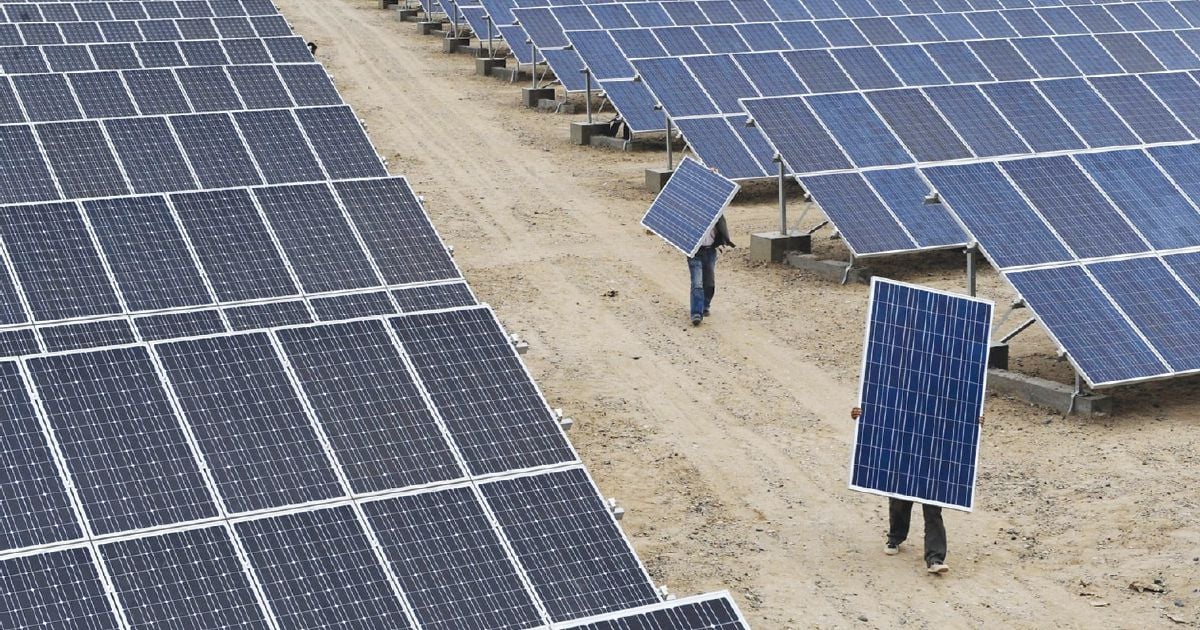
The outlook also reflects Malaysia's energy transition imperatives. The power sector is increasingly tasked with accommodating renewable energy sources, which require enhanced grid flexibility and upgraded transmission infrastructure to manage variable supply from solar and wind installations. The capital expenditure cycle identified by Hong Leong likely encompasses investments in grid modernisation, smart metering systems, and interconnection facilities that support the nation's climate commitments and energy diversification goals outlined in the Renewable Energy Roadmap.
Listed utility and grid-exposed companies stand to capture disproportionate value from this spending environment. Malaysian power companies with direct involvement in electricity transmission and distribution—such as those operating under regulated utility models—typically benefit from predictable revenue bases tied to regulated tariffs and infrastructure assets. When capital expenditure cycles extend over multiple years, these companies can count on steady investment spending by industry participants and related contracting opportunities, translating into higher asset bases and earnings growth.
The structural favoring of grid-exposed players mentioned by Hong Leong reflects the fixed-asset nature of power infrastructure. Companies that own or operate transmission lines, substations, and distribution networks benefit from long-term contracts and regulated returns on capital. Unlike energy generation, which faces commodity price volatility and market competition, grid operations provide relatively stable cash flows. During an extended capex upcycle, these cash flows can be deployed for further investments or shareholder returns, attracting institutional investors seeking defensive, income-generating assets.
Regional context adds another dimension to Malaysia's power sector prospects. As Southeast Asia's economies accelerate industrial activity and urbanisation, demand for electricity across the region continues climbing. Malaysia, as one of the region's more developed economies with established infrastructure and technical expertise, occupies a strategic position in the regional energy architecture. A well-capitalised and modernised power sector enhances Malaysia's competitiveness as a manufacturing and technology hub relative to neighbouring nations.
The positive outlook also underpins investor sentiment toward Malaysian equities more broadly. Utility stocks and infrastructure-focused companies are often regarded as counter-cyclical investments that provide stability during economic downturns. The combination of secular growth drivers—increasing electrification, industrial expansion, renewable energy integration—and cyclical tailwinds from the multi-year capex programme creates an unusually favourable backdrop for sector participants.
However, investors should note that the positive outlook carries embedded assumptions about the pace and scope of capital deployment. Regulatory changes, financing conditions, or shifts in energy policy could alter the trajectory. Tariff structures, debt levels at utility companies, and the pace of renewable energy adoption represent variables that merit monitoring. Additionally, the energy transition introduces new risks around asset stranding if technological shifts occur faster than anticipated.
The Hong Leong assessment reflects broader confidence in Malaysia's infrastructure development strategy. The government's commitment to grid expansion, renewable energy integration, and industrial growth continues supporting the case for sustained power sector investment. For Malaysian investors, the timing of the outlook—highlighting a multi-year rather than single-year phenomenon—offers a basis for building longer-term exposure to the sector rather than trading cyclical patterns.

