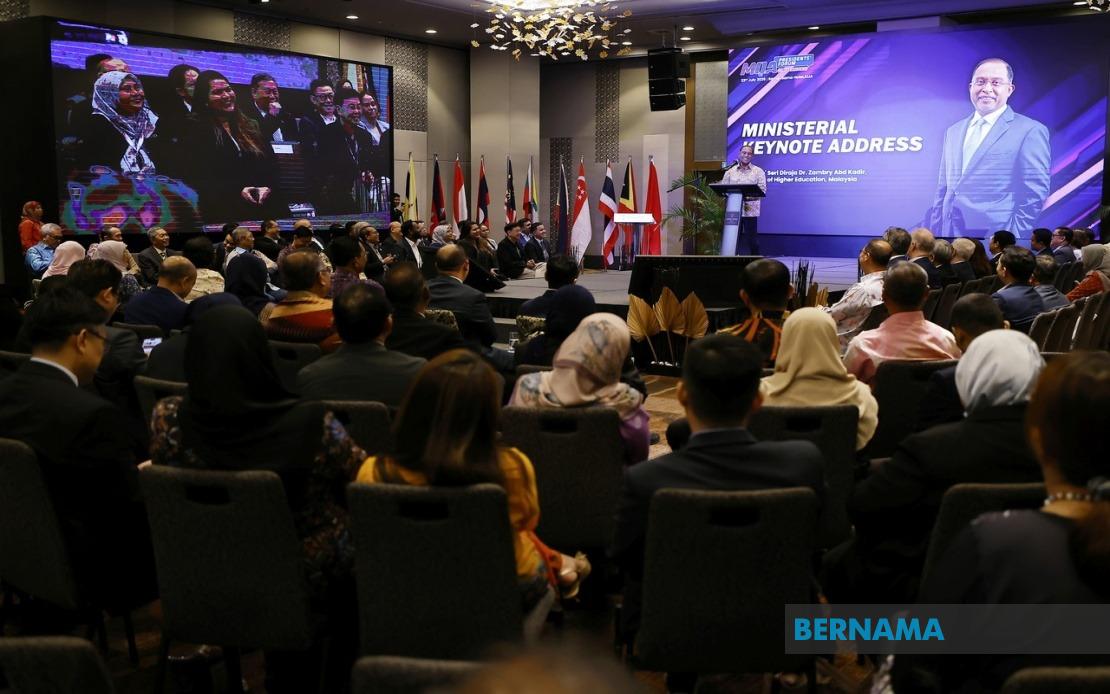
Malaysia's polytechnic system is facing a significant accommodation crunch as the government scrambles to upgrade hostel facilities after experiencing unexpectedly high student enrollment. Higher Education Minister Datuk Seri Dr Zambry Abd Kadir announced that the Ministry of Higher Education (MOHE) has begun identifying polytechnic hostels requiring urgent repairs and renovation works to address the strain created by surging demand for technical vocational training places.
The accommodation challenges stem from a major policy push encouraging secondary school leavers to pursue technical and vocational education and training (TVET) rather than following traditional academic pathways. This initiative has proven remarkably successful, with polytechnic and skills institution applications jumping to unprecedented levels. In the 2026/2027 intake cycle, 30,488 new students registered at polytechnics nationwide during the first session in June, representing more than 125 percent achievement against initial targets—a milestone that underscores shifting attitudes toward vocational qualifications among Malaysian families.
While the surge in applications reflects genuine progress in repositioning TVET as a credible educational option, it has simultaneously exposed infrastructure limitations at several institutions. Many polytechnics operate hostel facilities constructed decades ago and lacking modern amenities or proper maintenance. The influx of students has overwhelmed existing accommodation capacity, particularly at institutions with aging dormitory buildings that have deteriorated over time. Zambry acknowledged that several hostels across the polytechnic system have fallen into poor condition and require comprehensive repair and refurbishment to meet acceptable standards.
The minister framed the accommodation crisis not as a failure but as an inevitable consequence of policy success. He emphasized that the government's conscious effort to elevate technical education has resonated with students and parents, generating competitive pressure on intake systems. The 125 percent application achievement rate indicates that demand for polytechnic places substantially exceeds original planning assumptions. Rather than restricting admissions to match existing capacity, policymakers chose to accommodate additional students, recognizing that turning away qualified applicants would undermine the broader objective of expanding TVET participation across Malaysia's workforce.
To address the immediate crisis, MOHE has submitted formal requests to the federal government for funding to undertake repair and renovation projects at multiple polytechnic sites identified as priority cases. Zambry indicated that several institutions are being assessed for the severity of maintenance needs, with hostels in critical condition flagged for expedited action. The ministry has also directed the Polytechnic and Community College Education Department, headed by director-general Dr Shamsuri Abdullah, to implement emergency measures addressing placement logistics and accommodation allocation to ensure student welfare during the transition period.
The polytechnic accommodation issue carries broader implications for Malaysia's economic positioning and demographic challenges. As the country ages and workforce participation rates flatten, policymakers increasingly recognize that technical skills development offers a practical pathway to sustaining economic competitiveness and productivity. However, delivering on this vision requires matching policy ambition with proportionate infrastructure investment. The current bottleneck at hostel facilities risks undermining the government's messaging around TVET accessibility if students experience substandard living conditions or face placement uncertainties.
Regionally, Malaysia's polytechnic expansion mirrors comparable initiatives across Southeast Asia, where countries including Thailand, Vietnam, and Indonesia are similarly expanding vocational training capacity to address skill gaps and youth unemployment. The accommodation challenges facing Malaysian polytechnics likely foreshadow similar pressures elsewhere in the region as applications surge faster than infrastructure development. This creates opportunities for regional knowledge-sharing and collaborative approaches to hostel construction and student welfare management.
The financial implications of addressing this crisis are substantial. Beyond routine maintenance, many polytechnic hostels require significant capital investment to upgrade to contemporary standards—including improved sanitation facilities, internet connectivity, safety systems, and accessibility features for students with disabilities. The government's willingness to commit resources to hostel repairs demonstrates recognition that student accommodation quality directly affects retention rates, academic performance, and institutional reputation. Inadequate living conditions risk discouraging students from completing programs or pursuing further studies, thereby undermining return on investment in expanded polytechnic places.
Looking ahead, MOHE's approach to this challenge will establish precedent for managing future enrollment growth. If hostel repairs proceed efficiently and effectively, the ministry can position itself as responsive to infrastructure challenges and capable of scaling technical education without compromising student experience. Conversely, prolonged delays or inadequate funding could erode confidence in polytechnic quality and reverse gains achieved in repositioning TVET within Malaysia's educational hierarchy. The coming months will test whether government promises to address accommodation constraints translate into tangible improvements on the ground.

